Building a bowl that rivals your favorite high-end Mexican grill doesn’t require a professional culinary degree or a kitchen full of specialized gadgets. It simply takes a deep appreciation for high-quality beef, a bit of patience to let your skillet reach the perfect temperature, and the willingness to experiment with bold, zesty flavors.
You are about to master a meal that perfectly balances heavy protein with bright, refreshing toppings for a dinner that feels both indulgent and incredibly nourishing. The result is a stunning arrangement of seared steak strips with charred peppers and onions over a bed of brown rice and fresh avocado slices that will make your weekly meal prep feel like a gourmet celebration.
The Steak Fajita Bowls Difference
- High-Heat Searing: Using a cast-iron surface ensures a deep, caramelized crust on the beef while keeping the inside tender and juicy.
- Acid-Balanced Marinade: The combination of lime juice and spices breaks down tough muscle fibers, ensuring every bite of steak is melt-in-your-mouth soft.
- Textural Variety: This recipe combines the crunch of charred vegetables with the creaminess of avocado and the chew of wholesome grains for a complete sensory experience.
The Building Blocks
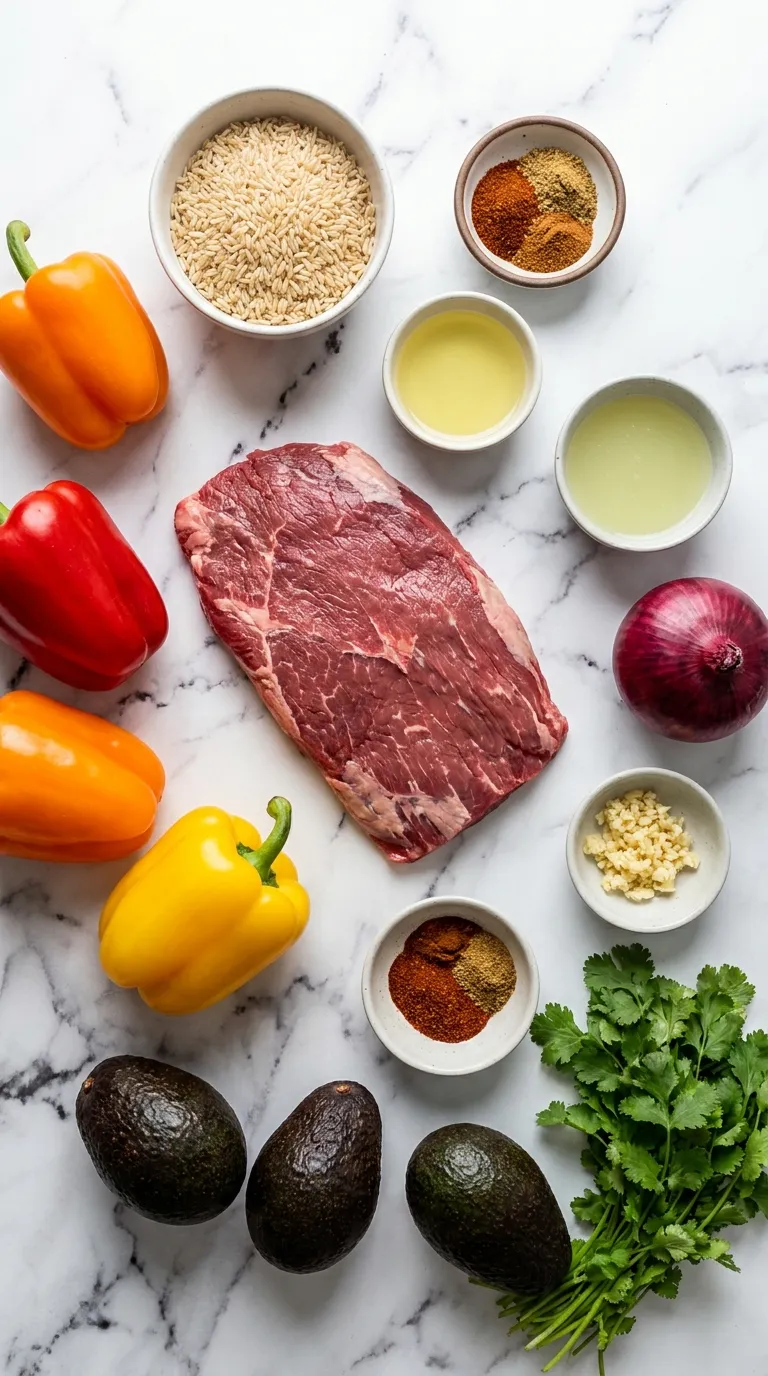
Creating the ultimate bowl starts with selecting ingredients that can stand up to high heat and bold spices. When you are looking for the best results, the quality of your beef and the freshness of your produce will do most of the heavy lifting for you.
I always recommend visiting your local butcher if possible, as they can provide cuts that are marbled perfectly for quick searing. Remember that since we are making a Steak Fajita Bowl, the steak is the undisputed star of the show, so don’t be afraid to invest in a good piece of meat.
- Flank or Skirt Steak: (For the best grain structure that absorbs marinade and sears quickly).
- Bell Peppers: (For a natural sweetness that balances the smoky spices).
- Red Onion: (For a sharp, savory bite that mellows out beautifully when charred).
- Fresh Lime Juice: (The acid is essential for tenderizing the meat and adding brightness).
- Cumin and Chili Powder: (To provide that classic, earthy, and slightly spicy fajita profile).
- Garlic: (Freshly minced garlic offers a pungent depth that dried powder simply cannot match).
- Brown Rice: (A hearty, fiber-rich base that soaks up all the delicious steak juices).
- Avocado: (To provide healthy fats and a cooling contrast to the warm spices).
- Cilantro: (For a burst of herbal freshness at the very end).
- High-Smoke Point Oil: (Like avocado or grapeseed oil, to prevent the pan from smoking too much during the sear).
Pantry Substitutions
- Grain Alternatives: If you aren’t a fan of brown rice, try quinoa or cauliflower rice for a lower-carb option.
- Protein Swaps: You can easily use chicken thighs or even shrimp if you want to move away from beef for a night.
- Spice Rack Hacks: If you’re out of individual spices, a high-quality taco seasoning blend can work in a pinch.
- Onion Options: Yellow or white onions work perfectly fine if you don’t have a red onion on hand.
- Greens: Swap the rice entirely for a bed of shredded romaine to turn this into a massive fajita salad.
Level Up This Recipe
If you want to take your cooking from “great weeknight meal” to “restaurant quality,” there are a few chef-approved tricks you can employ. These small additions don’t take much extra time but add layers of complexity to the final dish.
One of my favorite ways to boost the flavor is to finish the vegetables with a small knob of grass-fed butter right at the end of cooking. This creates a silky sauce that coats the charred peppers and onions, making them taste incredibly rich.
Another fantastic variation is to incorporate a smoky element. You can add a teaspoon of chipotle peppers in adobo sauce to your marinade for a deep, lingering heat that pairs perfectly with the beef. If you prefer something even more citrus-forward, check out these Cilantro Lime Steak Bowls for a different flavor profile.
Lastly, don’t underestimate the power of pickling. Adding a handful of quick-pickled red onions on top of your bowl adds a punch of acidity and a bright pink color that makes the dish look like it was prepared by a professional stylist.
The Cooking Process
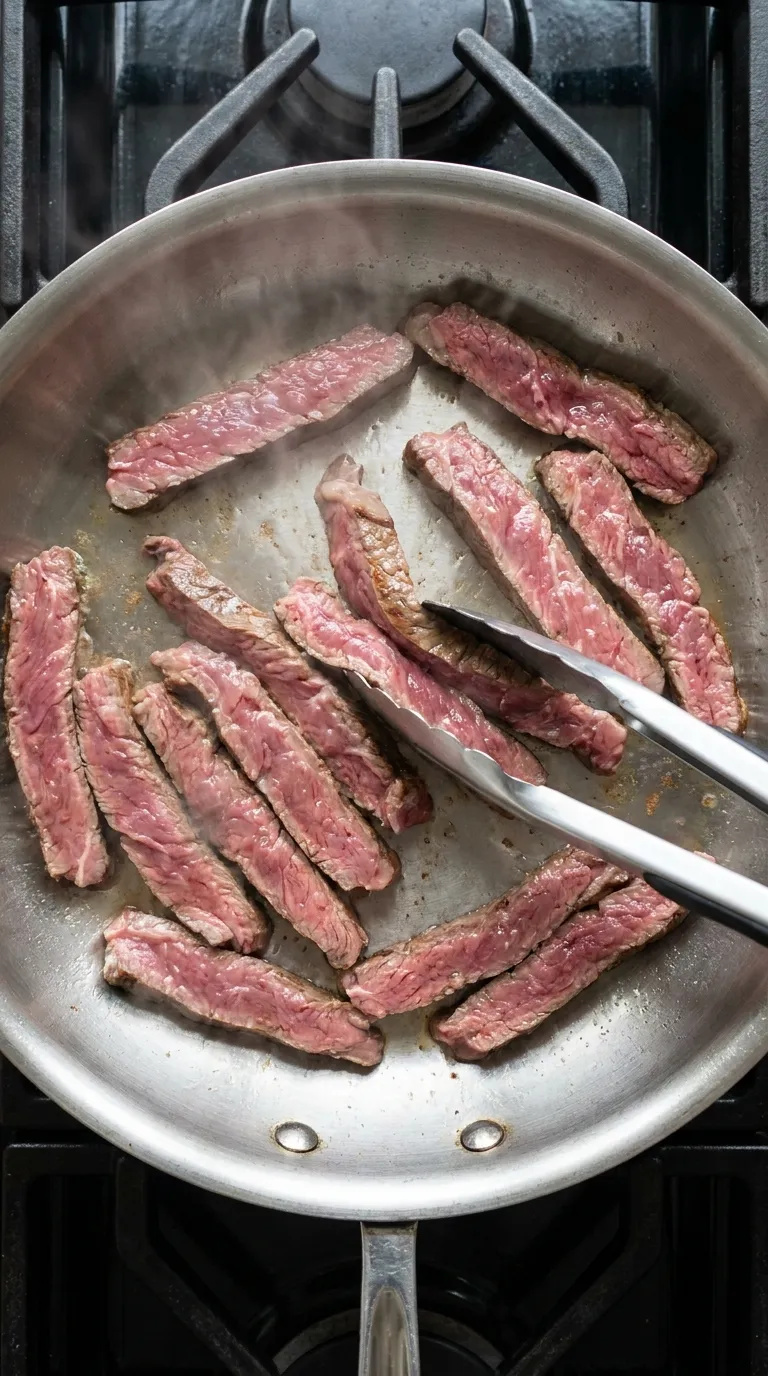
The key to a successful fajita bowl is preparation. Because the actual cooking happens very quickly over high heat, you want to have all your vegetables sliced and your steak marinated before the pan even touches the burner.
This process is designed to be efficient, taking you from raw ingredients to a finished meal in about 30 minutes, excluding the marinating time. Let’s dive into the steps to ensure your steak is perfectly seared and your veggies are beautifully charred.
1. Marinate the Steak
Whisk together your lime juice, oil, garlic, cumin, chili powder, salt, and pepper in a large bowl or a gallon-sized freezer bag. Submerge your steak in this mixture, ensuring every inch is coated, and let it sit for at least 30 minutes, though two hours is even better.
The acid in the lime juice starts to break down the proteins, while the salt penetrates deep into the meat to season it from the inside out. This is the most important step for ensuring your Steak Fajita Bowl is packed with flavor.
2. Prepare the Base and Toppings
While the steak is marinating, get your brown rice started according to the package instructions. While the rice simmers, slice your bell peppers and onions into long, thin strips of roughly the same size so they cook evenly.
This is also the perfect time to slice your avocado and chop your cilantro. Having these “cold” components ready means you can assemble the bowls the second the “hot” components are finished, preventing the steak from getting cold.
3. Sear the Steak Strips
Heat a heavy cast-iron skillet over medium-high heat until it is nearly smoking. Remove the steak from the marinade, pat it dry with paper towels (this is crucial for a good sear!), and place it in the hot pan.
Cook the steak for about 3-4 minutes per side, depending on the thickness, until a dark brown crust has formed. Once finished, move the steak to a cutting board and let it rest for at least 5-10 minutes before slicing it into thin strips against the grain.
4. Char the Peppers and Onions
In the same skillet you used for the steak, add a little more oil if needed. Toss in your sliced peppers and onions, using a wooden spoon to scrape up any of those delicious browned bits left behind by the meat.
Sauté the vegetables over high heat for about 5-7 minutes. You want them to soften slightly but still retain a bit of “snap,” with visible charred edges that provide that signature smoky fajita flavor.
5. Assemble the Masterpiece
Now comes the fun part: building the bowls. Start with a generous scoop of fluffy brown rice at the bottom of each dish to act as a base for all the juices.
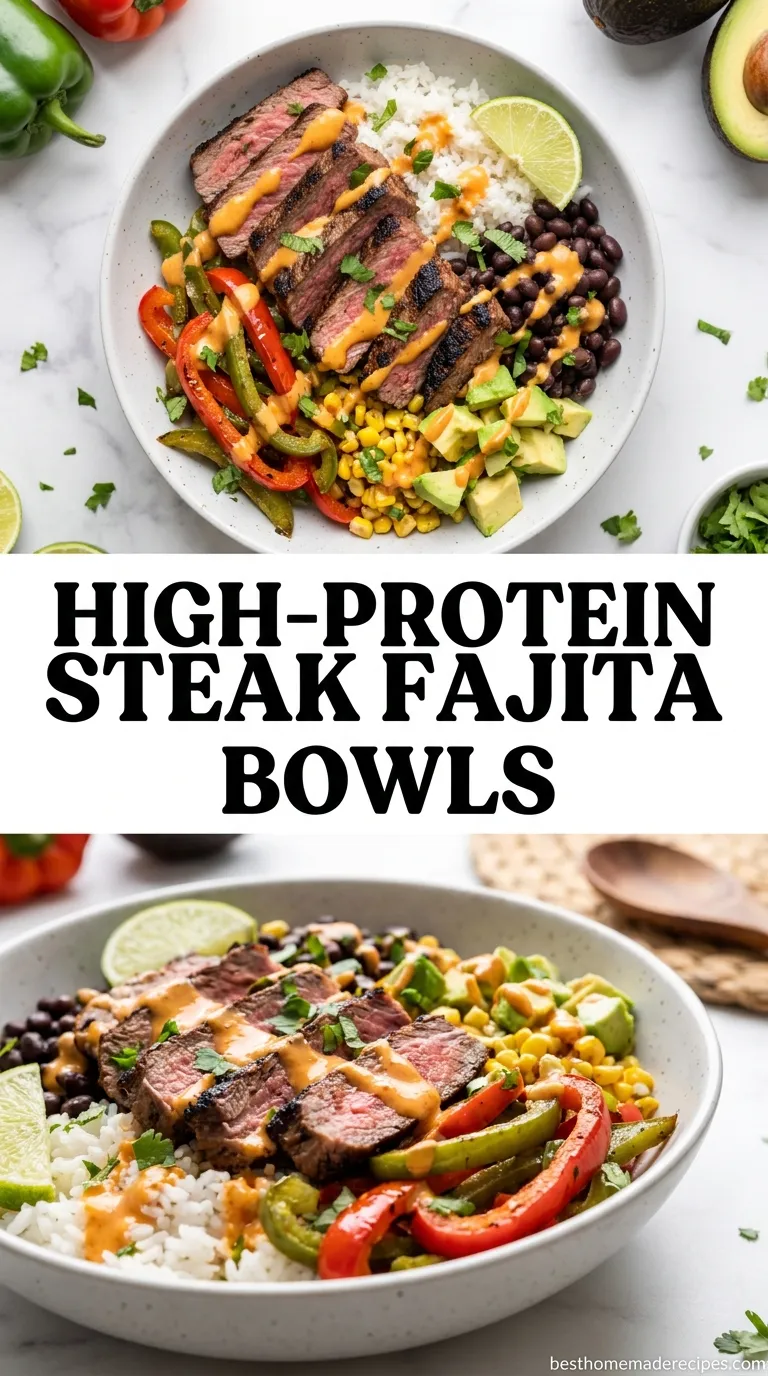
Layer on your seared steak strips with charred peppers and onions over a bed of brown rice and fresh avocado slices. Finish with a sprinkle of cilantro, a squeeze of fresh lime, and perhaps a dollop of Greek yogurt or sour cream for extra creaminess.
Avoid These Pitfalls
- Crowding the Pan: If you put too many peppers or too much steak in the pan at once, they will steam instead of sear. Cook in batches if necessary!
- Cutting With the Grain: Always look for the lines in the meat and cut perpendicular to them. Cutting with the grain results in chewy, tough steak.
- Skipping the Rest: If you cut the steak immediately after taking it off the heat, all the juices will run out onto the board, leaving you with dry meat.
Toppings & Sides
While these bowls are a complete meal on their own, you can definitely round out the table with some extra sides. If you are feeding a crowd, I highly recommend serving this alongside a vibrant Mexican Street Corn Salad. The sweetness of the corn and the creaminess of the cotija cheese complement the smoky steak perfectly.
For those who prefer a more “set it and forget it” approach to the vegetables and meat, you might find that Sheet Pan Fajitas offer a similar flavor profile with even less active stovetop time. Or, if you have a busy day ahead, Crockpot Fajitas can provide that ultra-tender texture with almost zero effort.
Don’t forget the sauces! A quick salsa verde or a spicy chipotle mayo can take these bowls to the next level. I also love adding a few jalapeño slices for those who enjoy a bit of extra heat with their protein.
If you find yourself with leftovers, these bowls actually taste even better the next day. The flavors in the steak and vegetables continue to meld together in the fridge, making it one of the best meal-prep options in your rotation. Just keep the avocado separate until you are ready to eat so it stays perfectly green and fresh.
If you tried this recipe and loved it, please leave a 5-star rating below. It helps us so much!
What are the best cuts of beef to use for Steak Fajita Bowls?
Flank or skirt steak are the recommended cuts because they have a grain structure that absorbs marinades well and sears quickly over high heat.
How can I ensure the steak is tender and has a professional-quality sear?
To achieve a tender result, marinate the steak in lime juice for at least 30 minutes and slice it against the grain. For a perfect sear, pat the steak dry with paper towels before placing it in a hot cast-iron skillet and avoid crowding the pan.
What are some healthy alternatives for the base of the bowl?
While brown rice is a hearty option, you can substitute it with quinoa or cauliflower rice for a lower-carb meal, or use a bed of shredded romaine lettuce to turn the dish into a fajita salad.
How long should the steak rest after cooking?
The steak should rest for at least 5 to 10 minutes before slicing. This prevents the juices from running out, ensuring the meat remains moist and flavorful.

Steak Fajita Bowls Packed with Protein

Equipment
- cast iron skillet
- Large mixing bowl or gallon-sized freezer bag
- Cutting board
- Sharp chef’s knife
- Wooden Spoon
- Paper towels
- Medium saucepan with lid
Ingredients
- 1.5 lbs flank or skirt steak
- 3 large bell peppers red, orange, and yellow
- 1 large red onion, sliced into thin strips
- 2 cups dry brown rice to be cooked according to package instructions
- 2 ripe avocados, sliced
- ¼ cup fresh cilantro, chopped
- 3 tablespoons high-smoke point oil avocado or grapeseed oil
- ¼ cup fresh lime juice
- 4 cloves garlic, freshly minced
- 1 tablespoon chili powder
- 1 teaspoon ground cumin
- 1 teaspoon sea salt
- ½ teaspoon cracked black pepper
- 1 tablespoon grass-fed butter optional finish
- Lime wedges for serving
Instructions
- In a large bowl or gallon-sized freezer bag, whisk together the lime juice, 2 tablespoons of oil, minced garlic, cumin, chili powder, salt, and pepper to create the marinade.
- Submerge the steak in the marinade, ensuring every inch is coated. Let it sit for at least 30 minutes, or up to 2 hours for maximum tenderness.
- While the steak marinates, cook the brown rice in a saucepan according to the package instructions until fluffy.
- Prepare the vegetables by slicing the bell peppers and red onion into long, uniform strips. Slice the avocado and chop the cilantro.
- Heat a heavy cast-iron skillet over medium-high heat until it is nearly smoking.
- Remove the steak from the marinade and pat it completely dry with paper towels. This is essential for achieving a deep, caramelized crust.
- Place the steak in the hot skillet and cook for 3-4 minutes per side, depending on thickness, until a dark brown crust forms. Transfer the steak to a cutting board and let it rest for 10 minutes.
- In the same skillet, add the remaining tablespoon of oil if necessary. Add the peppers and onions, using a wooden spoon to scrape up the browned bits left by the steak. Sauté for 5-7 minutes until charred and slightly softened.
- Optional: Stir in a small knob of butter to the vegetables during the last minute of cooking for a rich, silky finish.
- Slice the rested steak into thin strips against the grain to ensure a melt-in-your-mouth texture.
- Assemble the bowls by placing a scoop of brown rice at the bottom, followed by the steak strips, charred vegetables, and avocado slices. Garnish with fresh cilantro and a squeeze of lime juice.