Crisp edges on a cast iron skillet provide the stage for a culinary dance where textures collide and flavors harmonize in a matter of minutes. This dish isn’t just a meal; it’s a high-heat transformation that turns humble garden vegetables and protein into a restaurant-quality masterpiece right in your own kitchen.
You are about to master a plate of thinly sliced beef strips sautéed with green broccoli, red peppers, and carrots in a glossy brown savory sauce that rivals any takeout joint. Get ready for a dinner that delivers a punch of umami, a crunch of freshness, and the satisfaction of a home-cooked win.
The Beef and Vegetable Stir Fry Difference
- The Velvet Touch: We use a specific slicing and marinating technique that ensures every bite of beef is incredibly tender and never chewy.
- The High-Heat Sear: By cooking in stages, we achieve a beautiful char on the meat and a snap in the vegetables without anything getting soggy.
- The Balanced Glaze: Our sauce strikes the perfect chord between salty soy, sweet brown sugar, and aromatic ginger for a deep, complex finish.
The Building Blocks
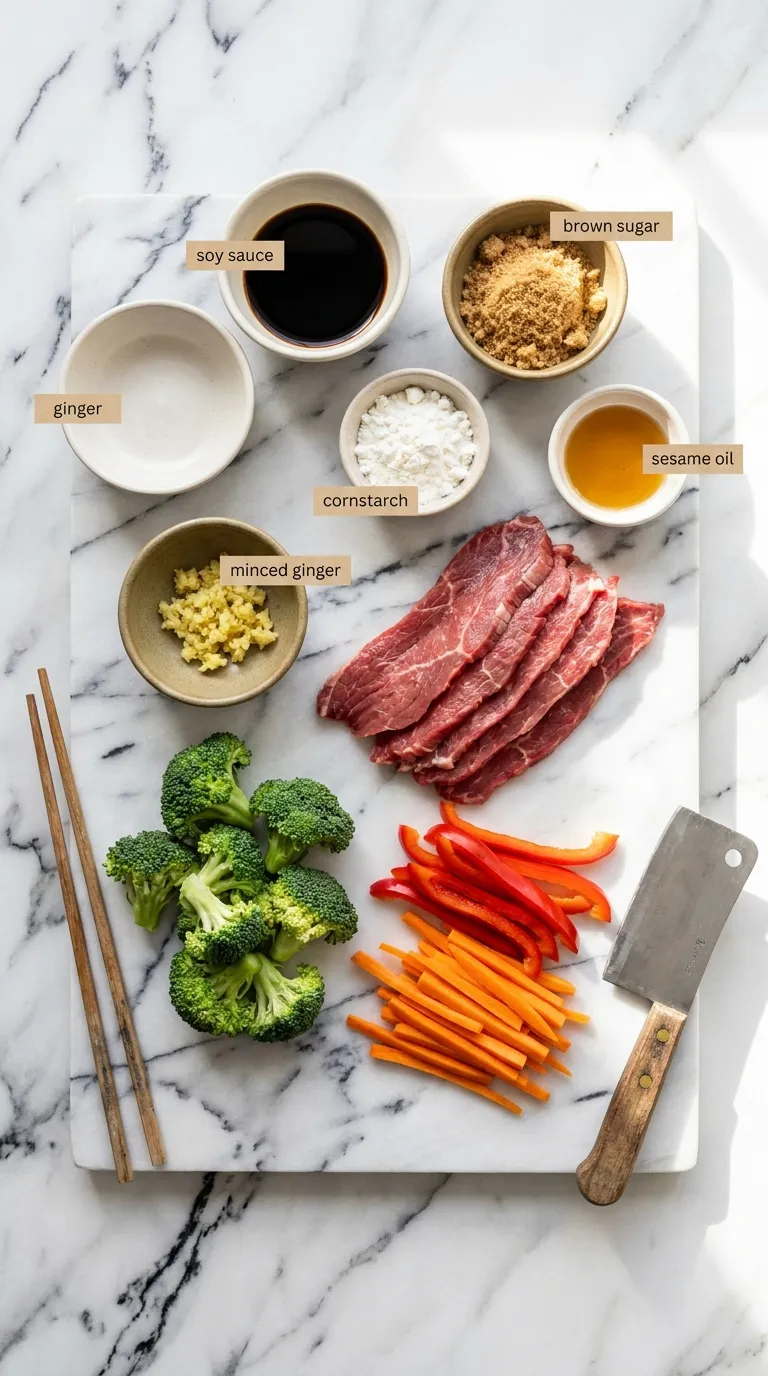
Creating a world-class stir fry starts long before you turn on the stove. It begins with selecting ingredients that can stand up to the intense heat of the pan while contributing their own unique profiles.
When you choose your produce, look for the brightest colors and the firmest textures. The goal is to have a plate that looks as vibrant as it tastes, featuring thinly sliced beef strips sautéed with green broccoli, red peppers, and carrots in a glossy brown savory sauce.
- Flank Steak or Sirloin: These cuts are ideal because they are lean and take well to quick cooking (Slicing against the grain is the key to tenderness).
- Fresh Broccoli Florets: These act like little sponges, soaking up the savory sauce in every nook and cranny (Fresh is always better than frozen for crunch).
- Red Bell Peppers: These provide a necessary pop of color and a subtle sweetness that balances the salty elements (Slice them into even strips for uniform cooking).
- Large Carrots: Peeling them into ribbons or thin matchsticks ensures they soften just enough while maintaining a bite (They add a lovely earthy sweetness).
- Low-Sodium Soy Sauce: This provides the salty, umami base of our sauce without making the dish overwhelmingly salty (It gives you more control over the final flavor).
- Fresh Ginger and Garlic: These aromatics are the soul of the dish, providing a sharp, spicy undertone that defines Asian-inspired cuisine (Always use fresh over powdered).
- Cornstarch: This is the magic ingredient that transforms a thin liquid into a thick, mirror-like glaze (It helps the sauce cling to every ingredient).
- Toasted Sesame Oil: A tiny splash at the end adds a nutty aroma that elevates the entire experience (It’s a finishing oil, not a cooking oil).
If you find yourself loving the combination of greens and meat, you might also enjoy making a classic Beef And Broccoli Stir-fry. It focuses heavily on that iconic pairing with a similar flavor profile.
Adapting the Recipe
Sometimes the pantry doesn’t have exactly what we need, but that shouldn’t stop the cooking process. Stir fry is one of the most forgiving methods of cooking, allowing for plenty of creativity.
- Protein Swaps: If beef isn’t on the menu, thinly sliced chicken breast or even firm tofu cubes work beautifully in this exact same sauce.
- Vegetable Variations: Feel free to toss in snap peas, baby corn, or water chestnuts for extra texture and variety.
- Grain-Free Options: If you are watching your carbs, you can try a Zucchini Beef Stir-fry which swaps some of the heavier elements for light, summer squash.
- Sweetener Alternatives: If you prefer to avoid refined sugar, honey or maple syrup can be used in the sauce for a more natural sweetness.
Level Up This Recipe
Once you have mastered the basics, you can start experimenting with “chef’s twists” to make the dish truly your own. These small additions can take a standard weeknight meal and turn it into a gourmet event.
One of my favorite ways to add depth is by adding a tablespoon of oyster sauce or hoisin sauce to the liquid base. This adds a layer of complexity and a thicker body to the glaze that feels very professional.
For those who enjoy a bit of heat, adding dried red chili flakes or a dollop of chili garlic sauce will wake up your taste buds. The spice cuts through the richness of the beef and the sweetness of the carrots perfectly.
If you are a fan of noodles, you can easily turn this into an Asian Ground Beef Noodle Skillet style dish by tossing in some pre-cooked udon or ramen. The sauce is plenty flavorful enough to coat the extra starch.
The Cooking Process
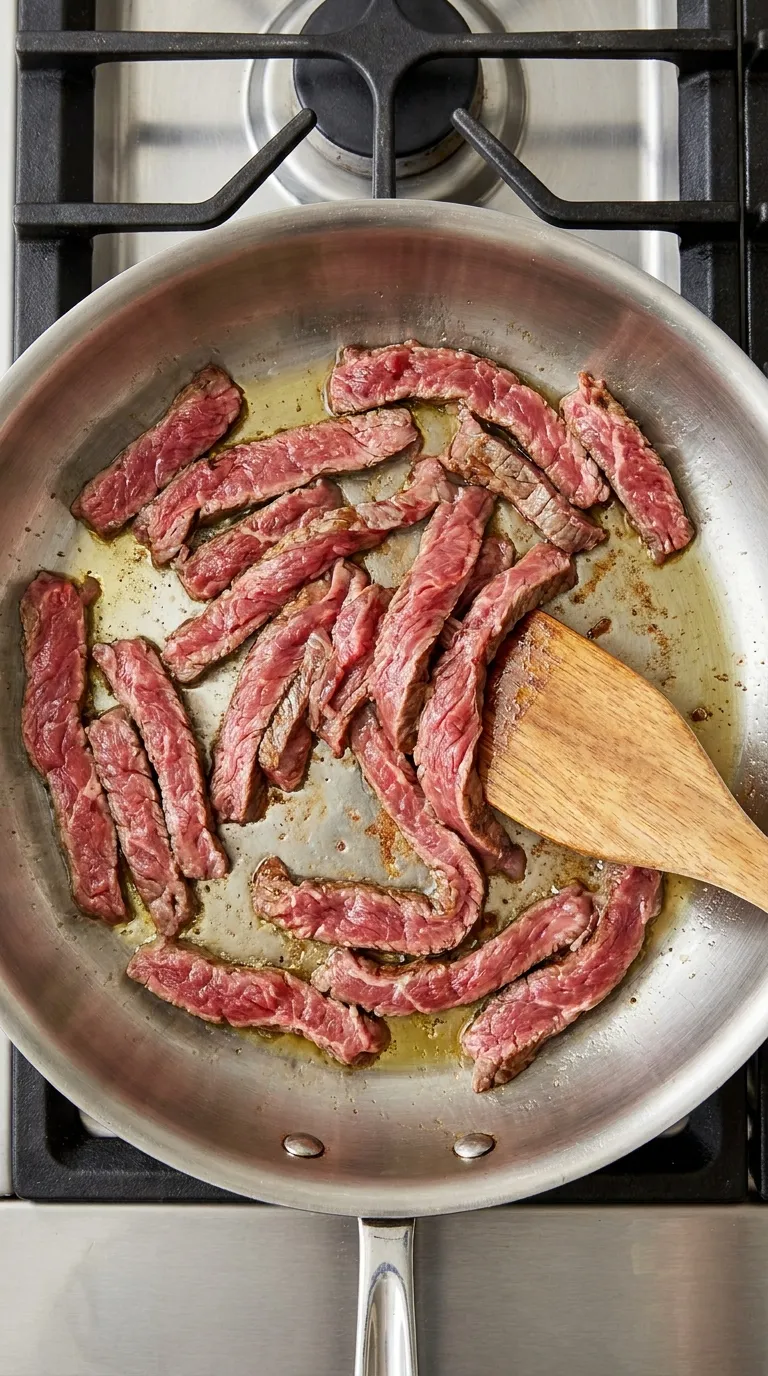
The most important thing to remember about stir-frying is that it happens fast. You won’t have time to chop a pepper while the beef is in the pan, so preparation is your best friend here.
Have all your vegetables chopped, your meat sliced, and your sauce whisked before you even think about touching the dial on your stove. This “mise en place” ensures that nothing burns while you are distracted.
1. Prepare the Beef and Sauce
Start by slicing your beef into very thin strips, making sure to cut across the muscle fibers. This breaks up the tough proteins and ensures the meat melts in your mouth.
In a small bowl, whisk together your soy sauce, brown sugar, minced ginger, garlic, and cornstarch. Make sure the cornstarch is fully dissolved so you don’t end up with white clumps in your dinner.
2. The High-Heat Sear
Heat a large skillet or wok over medium-high heat with a tablespoon of high-smoke-point oil like canola or grapeseed. Once the oil is shimmering, add the beef strips in a single layer.
Let them sear undisturbed for about a minute to get a nice brown crust before tossing them. Remove the beef from the pan while it is still slightly pink in the middle; it will finish cooking later.
3. Sauté the Vegetables
Add another splash of oil to the same pan and toss in your broccoli, carrots, and red peppers. If the pan looks dry, you can add a tablespoon of water to create steam, which helps the broccoli soften.
If you are looking for a different twist on this step, you might consider the method used in Beef And Broccoli Ramen Stir Fry, where the noodles and veggies mingle early on. Cook the vegetables for about 3-4 minutes until they are bright and “crisp-tender.”
4. The Grand Finale
Return the beef and any accumulated juices back into the pan with the vegetables. Give the sauce mixture one last whisk to incorporate the cornstarch and pour it over the top.
Toss everything constantly for about one minute as the sauce bubbles and thickens into a gorgeous glaze. You will see the transformation happen before your eyes as the liquid turns into a glossy coating.
Secrets to Success
- Don’t Overcrowd the Pan: If you put too much meat in at once, the temperature drops and the beef will boil in its own juices rather than searing.
- Cut Uniformly: Try to keep your vegetable sizes consistent so that the carrots aren’t raw while the peppers are mushy.
- The Cornstarch Slurry: Always whisk your sauce right before adding it to the pan, as cornstarch tends to settle at the bottom of the bowl.
Toppings & Sides
The classic way to enjoy this stir fry is over a bed of fluffy white jasmine rice. The rice acts as a neutral canvas that lets the bold flavors of the beef and vegetables shine.
For a heartier option, brown rice or quinoa adds a nutty flavor and extra fiber to the meal. You can even serve it over rice noodles if you want a lighter, silkier texture.
If you love the flavor profile of bell peppers specifically, you should definitely check out Chinese Pepper Steak. It uses a similar technique but focuses on the peppery punch of the vegetables.
Another fantastic option is to serve these savory ingredients over a pile of Beef And Broccoli Lo Mein Noodles. It turns the dish into a complete, one-bowl comfort meal.
Don’t forget the garnishes, as they add the final touch of texture and freshness. A sprinkle of toasted sesame seeds and a handful of sliced green onions make the dish look like it came straight from a professional kitchen.
If you tried this recipe and loved it, please leave a 5-star rating below. It helps us so much!
What are the best cuts of beef for this stir fry and how should they be prepared?
Flank steak or sirloin are the best choices because they are lean and cook quickly. For maximum tenderness, it is essential to slice the beef into thin strips against the grain to break up tough muscle fibers.
How do I ensure the vegetables stay crisp and don’t become soggy?
To maintain a ‘crisp-tender’ texture, sauté the vegetables over high heat for only 3-4 minutes. Additionally, avoid overcrowding the pan, which can cause the temperature to drop and lead to steaming rather than searing.
What is the role of cornstarch in the stir fry sauce?
Cornstarch is the magic ingredient that thickens the liquid sauce into a glossy, mirror-like glaze. It ensures the savory flavors cling to every piece of beef and vegetable rather than pooling at the bottom of the pan.
Can this recipe be adapted for different dietary needs or preferences?
Yes, this recipe is very forgiving. You can substitute beef with chicken or tofu, use honey or maple syrup instead of refined sugar, or swap the vegetables for options like snap peas or baby corn.
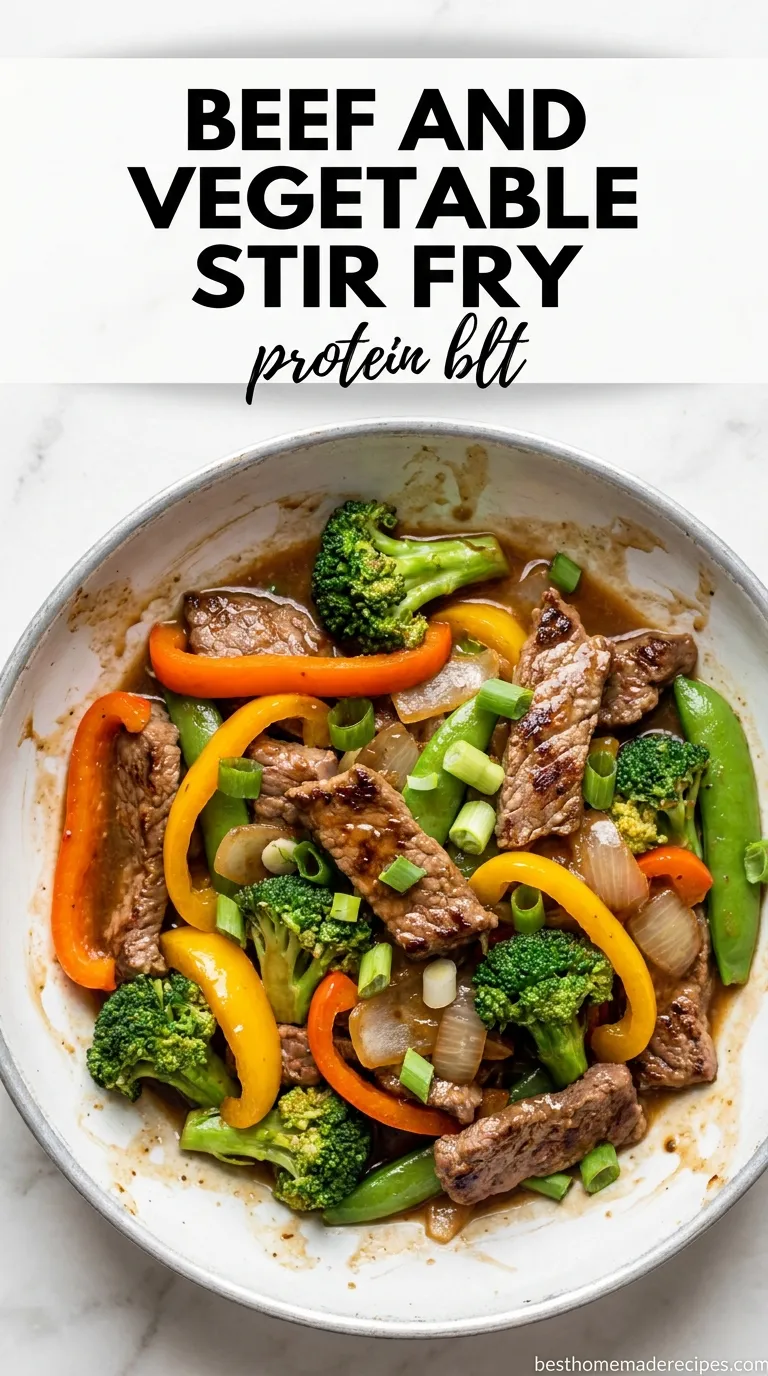

Beef and Vegetable Stir Fry Sensation

Equipment
- Large cast iron skillet or Wok
- Chef’s knife
- Cutting board
- small mixing bowl
- Whisk
- Spatula or tongs
- Measuring spoons
- Measuring cups
Ingredients
- 1 lb Flank steak or Sirloin, thinly sliced against the grain
- 2 cups Fresh broccoli florets
- 1 large Red bell pepper, sliced into thin strips
- 2 large Carrots, peeled and cut into matchsticks
- ¼ cup Low-sodium soy sauce
- 2 tablespoons Brown sugar
- 1 tablespoon Fresh ginger, minced
- 3 cloves Garlic, minced
- 1 tablespoon Cornstarch
- 1 tablespoon Toasted sesame oil
- 2 tablespoons Canola or grapeseed oil, divided
- 1 tablespoon Water optional, for steaming
- ½ teaspoon Red chili flakes optional for heat
- 1 tablespoon Toasted sesame seeds for garnish
- 2 Green onions, thinly sliced for garnish
- 3 cups Cooked jasmine rice for serving
Instructions
- Slice the beef into very thin strips, ensuring you cut across the muscle fibers (against the grain) for maximum tenderness.
- In a small bowl, whisk together the low-sodium soy sauce, brown sugar, minced ginger, minced garlic, and cornstarch until the starch is completely dissolved and no clumps remain.
- Place a large skillet or wok over medium-high heat and add one tablespoon of high-smoke-point oil (canola or grapeseed).
- When the oil is shimmering and hot, add the beef strips in a single layer. Let them sear undisturbed for about 1 minute to develop a brown crust.
- Toss the beef briefly and remove it from the pan while it is still slightly pink in the middle. Set the meat aside on a plate.
- Add the remaining tablespoon of oil to the same pan. Toss in the broccoli florets, carrot matchsticks, and red pepper strips.
- Sauté the vegetables for 3-4 minutes. If the pan seems too dry, add a tablespoon of water to create steam to help the broccoli soften while remaining crisp-tender.
- Return the seared beef and any juices from the plate back into the pan with the vegetables.
- Give the sauce mixture one final whisk to incorporate the settled cornstarch, then pour it over the beef and vegetables.
- Toss everything constantly for about 1 minute as the sauce bubbles and thickens into a glossy, dark glaze that coats all ingredients.
- Remove from heat and stir in the toasted sesame oil.
- Serve immediately over a bed of fluffy jasmine rice, garnished with toasted sesame seeds and sliced green onions.