Some soups whisper, but this one sings a full-throated ballad of comfort and texture. It’s the culinary equivalent of putting on your favorite cozy sweater and discovering twenty dollars in the pocket—a delightful, soul-warming surprise built from the simplest pantry staples. This isn’t just about dropping dumplings in broth; it’s about honoring the potsticker’s dual nature, celebrating its crispy, pan-fried bottom while letting its tender top soak up a broth that’s alive with fresh ginger, garlic, and savory umami.
What you get is a masterpiece of contrasts in every single spoonful. The broth is light yet deeply flavorful, the potstickers are satisfyingly chewy with a non-negotiable crunch, and the vibrant vegetables add a fresh, clean finish. This is the 30-minute meal that tastes like it simmered for hours, your new secret weapon for weeknight dinners, sick days, and any time you need a hug in a bowl.
The Potsticker Soup Difference
- Dual-Texture Dumplings: We pan-fry the potstickers first to develop a deeply golden, crispy bottom before they ever touch the broth. This step is crucial and creates an incredible textural contrast that sets this soup apart from soggy, boiled-dumpling versions.
- Flavor-Layering Technique: The broth isn’t just a simple liquid. We build it by first blooming aromatics like fresh ginger and garlic in sesame oil, creating a fragrant foundation that infuses every drop with complex, savory flavor.
- Weeknight Gourmet: This recipe delivers a restaurant-quality experience using a bag of frozen potstickers. It’s a complete, satisfying meal in one pot that feels special and sophisticated but comes together in under 30 minutes.
The Building Blocks
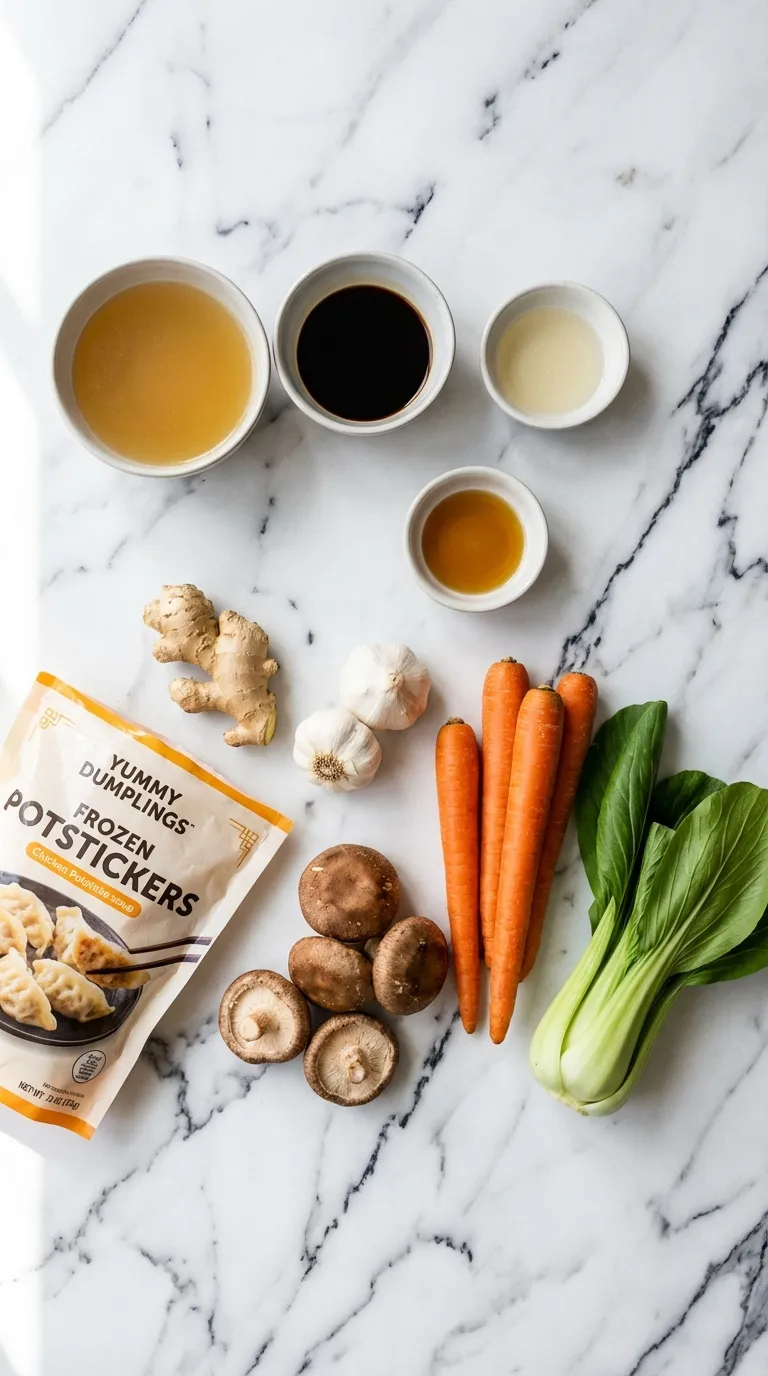
- Neutral Oil: Just a touch for pan-frying. Avocado or canola oil works perfectly.
- Frozen Potstickers: About 12-16 ounces. (The star of the show! Using your favorite brand of frozen pork, chicken, or vegetable potstickers is the ultimate time-saving hack).
- Toasted Sesame Oil: A key flavor component. (This is for finishing and sautéing; its nutty, rich aroma is non-negotiable for that authentic taste).
- Fresh Ginger: Finely minced or grated. (Provides a warm, zesty spice that cuts through the richness and forms the backbone of the broth).
- Fresh Garlic: Finely minced. (The essential aromatic partner to ginger, adding savory depth).
- Shiitake Mushrooms: Thinly sliced. (These add an incredible, earthy umami flavor that store-bought broth alone can’t provide).
- Low-Sodium Broth: Chicken or vegetable broth. (Using low-sodium gives you complete control over the final saltiness of the soup).
- Low-Sodium Soy Sauce: Or tamari for a gluten-free option. (The primary source of umami and savory saltiness).
- Rice Vinegar: Just a splash. (This tiny amount of acid is crucial for brightening all the flavors and making the soup taste alive).
- Carrots: Thinly sliced into rounds or matchsticks. (Adds a subtle sweetness, beautiful color, and a pleasant, tender-crisp texture).
- Bok Choy: Roughly chopped, leaves and stems separated. (Brings freshness, a slight crunch from the stems, and wilts beautifully into the hot broth).
- Green Onions: Thinly sliced, for garnish. (A final pop of fresh, sharp flavor and color).
Swaps & Alternatives
Don’t have everything on the list? No problem. This soup is wonderfully flexible.- No Shiitake Mushrooms? You can easily substitute them with cremini (baby bella) mushrooms for a similar earthy flavor, or even simple button mushrooms in a pinch.
- Greens on Hand: If you don’t have bok choy, a few handfuls of fresh spinach, chopped napa cabbage, or even hearty kale (added with the carrots) will work beautifully.
- Vinegar Varieties: No rice vinegar? A tiny squeeze of fresh lime juice at the very end will provide that necessary pop of acidity.
- Dumpling Diversity: This recipe is fantastic with any kind of Asian-style dumpling. Feel free to use wontons, mandu, or gyoza. For a slightly different but equally delicious experience, check out this dedicated Gyooza Soup.
Gourmet Variations
Ready to make this recipe your own? These simple twists can elevate your potsticker soup from amazing to absolutely unforgettable.- Make It Spicy: For those who love a bit of heat, swirl in a teaspoon of chili crisp, sriracha, or gochujang into the broth along with the soy sauce. It adds a wonderful warmth and complexity. If you’re a true spice lover, you’ll adore the flavor profile in this Spicy Korean Ramen.
- Add Creaminess: For a richer, Thai-inspired twist, stir in about 1/4 cup of full-fat coconut milk at the very end of cooking, just before serving. Don’t let it boil, just heat it through.
- Infuse the Broth: Add a star anise pod and a small piece of cinnamon stick to the broth as it simmers. Remove them before serving. This will give the soup a fragrant, pho-like aroma that is absolutely intoxicating.
- Boost the Protein: To make the soup even heartier, add some shredded rotisserie chicken, leftover cooked pork, or even a jammy soft-boiled egg to each bowl when serving.
How to Make Potsticker Soup
1. Pan-Fry the Potstickers
Heat a tablespoon of neutral oil in a large pot or Dutch oven over medium-high heat. Carefully arrange the frozen potstickers in a single layer, flat-side down. You may need to do this in two batches to avoid overcrowding the pan. Cook for 2-3 minutes, without moving them, until the bottoms are deeply golden brown and crisp. Add two tablespoons of water to the pot and immediately cover with a lid. Let them steam for 3-4 minutes, or until the potstickers are cooked through. Transfer the cooked potstickers to a plate and set aside.2. Sauté the Aromatics
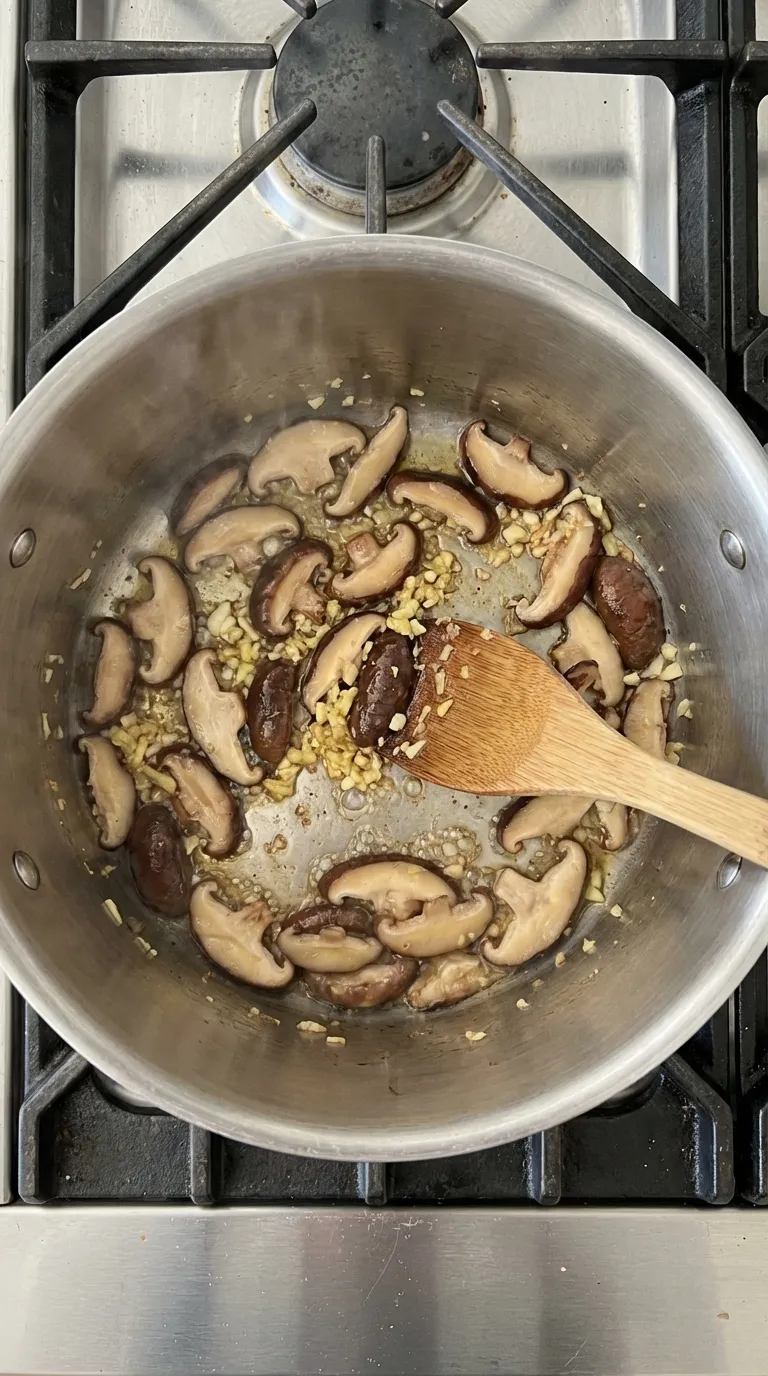
Reduce the heat to medium and add the sesame oil to the same pot. Once it’s shimmering, add the minced ginger, garlic, and sliced shiitake mushrooms. Sauté for 2-3 minutes, stirring frequently, until the garlic is fragrant and the mushrooms have softened and released some of their moisture. This step builds the foundational layer of flavor for your broth.3. Build the Broth
Pour in the chicken or vegetable broth, using a wooden spoon to scrape up any delicious browned bits from the bottom of the pot. Stir in the soy sauce and rice vinegar. Bring the mixture to a steady simmer.4. Simmer the Veggies
Once the broth is simmering, add the sliced carrots. Let them cook for 4-5 minutes, or until they are tender but still have a slight bite. You don’t want them to become mushy, as their texture is a lovely contrast in the final dish.5. Wilt the Greens & Return the Potstickers
Add the chopped bok choy stems to the pot and cook for one minute. Then, add the bok choy leaves and the reserved pan-fried potstickers to the soup. Let everything simmer for just 1-2 more minutes, just long enough for the leaves to wilt and the potstickers to heat through completely. Be careful not to overcook this final step.6. Garnish and Serve
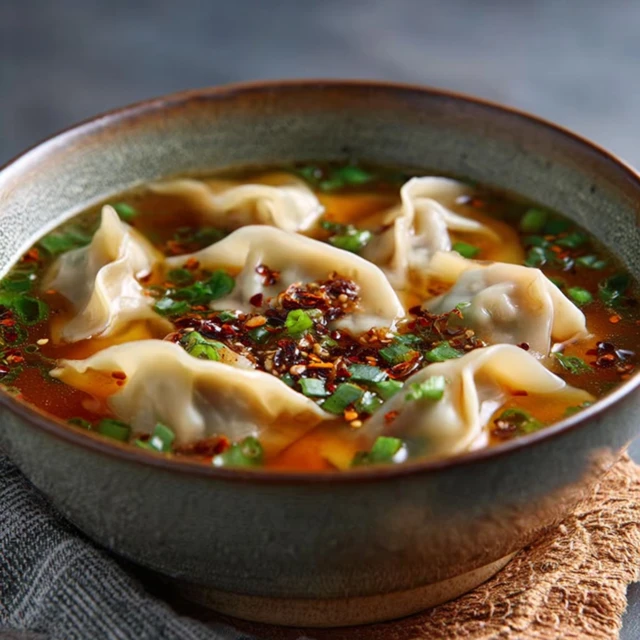
Turn off the heat. Ladle the soup generously into bowls, making sure each serving gets plenty of potstickers, vegetables, and broth. The final presentation is a thing of beauty: a steaming clear ginger broth in a white ceramic bowl with pan-fried potstickers, sliced carrots, and green onions. Garnish liberally with the sliced green onions and serve immediately while it’s hot and fragrant.Avoid These Pitfalls
- Overcrowding the Pan: When pan-frying the potstickers, give them space! If they are too crowded, they will steam instead of fry, and you’ll miss out on that essential crispy, golden-brown bottom. Work in batches if necessary.
- Boiling the Dumplings: Never just drop the frozen potstickers directly into the simmering broth. This will result in a soggy, uniformly soft texture. The two-step cook (pan-fry, then steam) is non-negotiable for achieving that perfect crispy-tender bite.
- Overcooking the Greens: Bok choy and spinach wilt in a matter of seconds. Add them at the absolute last minute of cooking to ensure they retain their vibrant green color and a hint of fresh crispness.
Serving Ideas
This potsticker soup is a glorious one-bowl meal, but a few extra touches can make it even more special. The goal is to add more texture and layers of flavor right at the table.For toppings, set out small bowls of chili crisp, toasted sesame seeds, and fresh cilantro leaves so everyone can customize their own bowl. A final drizzle of toasted sesame oil just before eating adds an incredible burst of nutty aroma.
While it’s a complete meal, if you’re serving it as part of a larger Asian-inspired feast, it pairs wonderfully with lighter dishes. Consider starting with some fresh and crunchy Asian-style Ground Beef Lettuce Wraps. The soup also complements the flavors in heartier dishes, making it a great companion for a weeknight meal of Beef And Broccoli Lo Mein.
The deconstructed nature of this soup, with its savory filling and fresh veggies, might remind you of another quick weeknight favorite, the Egg Roll In A Bowl. And for a truly fun fusion night, imagine serving small bowls of this soup alongside some crispy Chicken Wonton Tacos.
If you tried this recipe and loved it, please leave a 5-star rating below. It helps us so much
What is the secret to getting crispy, non-soggy potstickers in the soup?
The key is a two-step cooking method. First, you must pan-fry the frozen potstickers on one side until they are golden brown and crisp. Then, you add a small amount of water and steam them. This creates the signature crispy-tender texture and prevents them from becoming soggy, which can happen if they are just boiled in the broth.
Can I use other vegetables if I don’t have shiitake mushrooms or bok choy?
Yes, the recipe is very flexible. If you don’t have shiitake mushrooms, you can substitute them with cremini (baby bella) or button mushrooms. For greens, if you don’t have bok choy, you can easily use a few handfuls of fresh spinach, chopped napa cabbage, or kale.
How can I customize this soup to make it spicy or richer?
To add heat, you can swirl in a teaspoon of chili crisp, sriracha, or gochujang into the broth. For a richer, creamier soup with a Thai-inspired twist, stir in about 1/4 cup of full-fat coconut milk at the very end of cooking, just before serving.

Potsticker Soup for Your Soul

Equipment
- Large pot or Dutch oven with a lid
- Chef’s knife
- Cutting board
- Measuring cups and spoons
- Wooden spoon or spatula
- Ladle
- Serving bowls
Ingredients
- 1 tablespoon neutral oil e.g., avocado or canola
- 2 tablespoons water
- 1 teaspoon toasted sesame oil
- 1 tablespoon fresh ginger, finely minced or grated
- 3 cloves garlic, finely minced
- 4 ounces shiitake mushrooms, thinly sliced
- 6 cups low-sodium chicken or vegetable broth
- 2 tablespoons low-sodium soy sauce or tamari for gluten-free
- 1 teaspoon rice vinegar
- 2 medium carrots, thinly sliced into rounds or matchsticks
- 1 large head bok choy, roughly chopped, stems and leaves separated
- 3 green onions, thinly sliced, for garnish
Instructions
- Heat the neutral oil in a large pot or Dutch oven over medium-high heat. Arrange the frozen potstickers in a single layer, flat-side down (work in batches if needed). Cook for 2-3 minutes until the bottoms are golden brown. Add the water, immediately cover, and steam for 3-4 minutes until cooked through. Transfer cooked potstickers to a plate and set aside.
- Reduce heat to medium and add the toasted sesame oil to the same pot. Add the minced ginger, garlic, and sliced shiitake mushrooms. Sauté for 2-3 minutes, stirring frequently, until fragrant and the mushrooms have softened.
- Pour in the broth, using a wooden spoon to scrape up any browned bits from the bottom of the pot. Stir in the soy sauce and rice vinegar. Bring the mixture to a steady simmer.
- Once the broth is simmering, add the sliced carrots. Cook for 4-5 minutes until they are tender-crisp.
- Add the chopped bok choy stems to the pot and cook for one minute. Then, add the bok choy leaves and the reserved pan-fried potstickers. Simmer for just 1-2 more minutes, until the leaves are wilted and the potstickers are heated through.
- Turn off the heat. Ladle the soup generously into bowls. Garnish liberally with sliced green onions and serve immediately.
Notes
– Spicy: Swirl in 1 teaspoon of chili crisp, sriracha, or gochujang with the soy sauce.
– Creamy: Stir in 1/4 cup of full-fat coconut milk at the very end (do not boil).
– Aromatic: Add a star anise pod to the broth as it simmers and remove before serving.
– Extra Protein: Add shredded rotisserie chicken or a soft-boiled egg to each bowl. Substitutions:
– Mushrooms: Cremini or button mushrooms can be used instead of shiitake.
– Greens: Fresh spinach or napa cabbage are great substitutes for bok choy.
– Vinegar: A small squeeze of fresh lime juice can replace the rice vinegar.