Unlocking the Creamy Code: The Science of Stellar Spuds
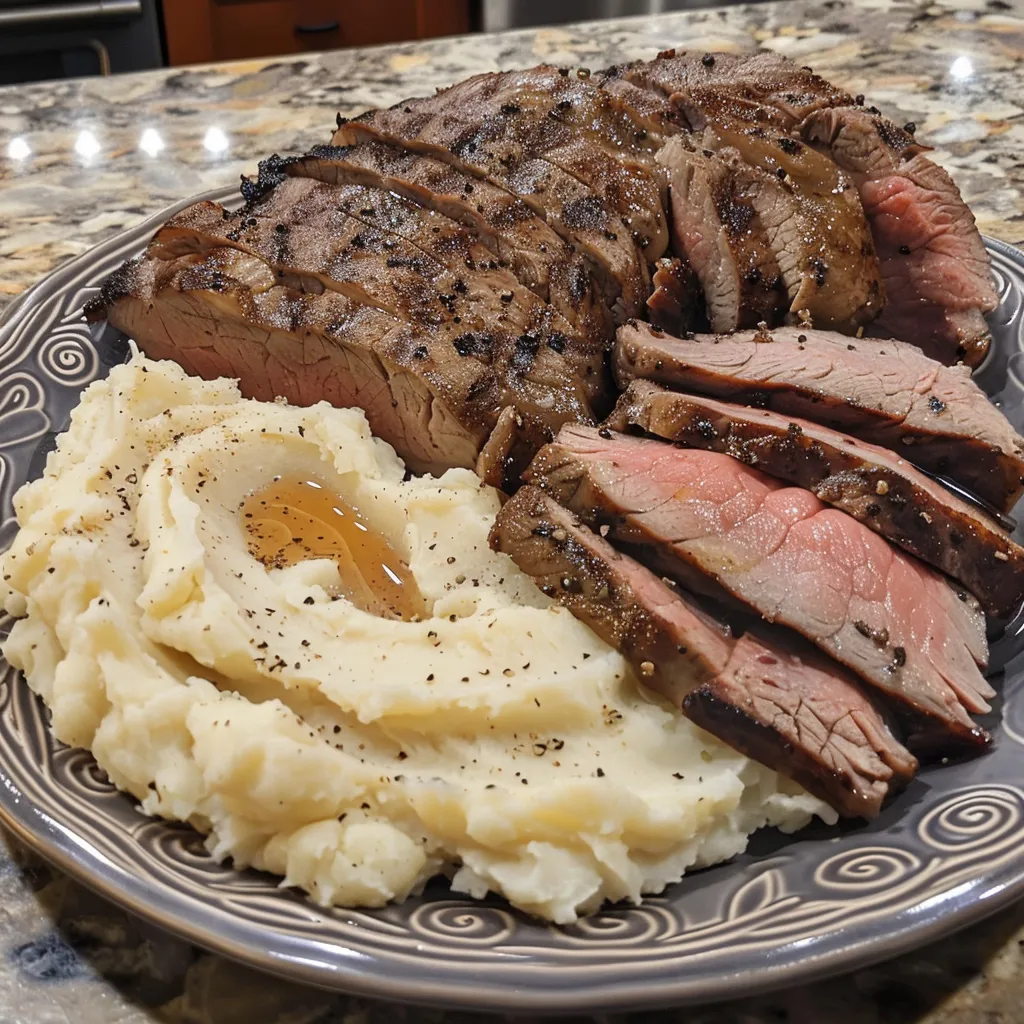
The magic of mashed potatoes lies in understanding the science behind the starch. When potatoes are cooked, their starch granules absorb water and swell. Overcooking leads to burst granules and a gummy, gluey texture – the dreaded mashed potato mistake. The key is to cook them just enough until fork-tender, then handle them gently to minimize starch release. Different potato varieties also play a crucial role. Russet potatoes, known for their high starch content, yield a light and fluffy mash, while Yukon Gold potatoes offer a naturally buttery flavor and creamy texture. The choice is yours, but understanding their properties is paramount. And don’t underestimate the power of fat! Butter, cream, or even crème fraîche coat the starch granules, preventing them from sticking together and creating that smooth, luscious mouthfeel we all crave. Finally, proper seasoning is essential. Salt not only enhances flavor but also helps to break down the potato cells, contributing to a smoother consistency.The Ultimate Mashed Potato Recipe: A Culinary Blueprint
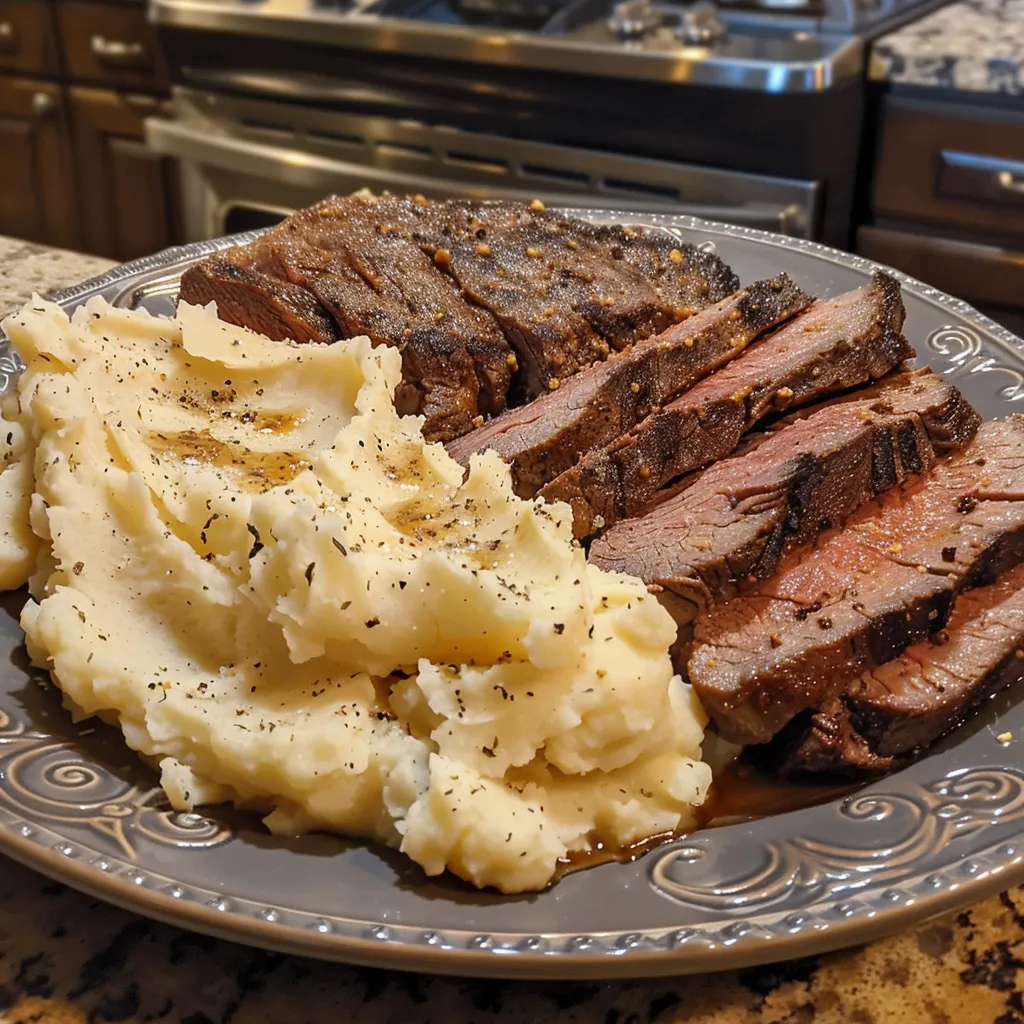 Here’s my meticulously crafted recipe for mashed potato nirvana:
Ingredients:
- 2 pounds Yukon Gold or Russet potatoes, peeled and cut into 1-inch chunks
- 1 teaspoon kosher salt, plus more to taste
- 1 cup heavy cream, warmed
- 8 tablespoons (1 stick) unsalted butter, cut into cubes, softened
- 1/4 teaspoon freshly ground white pepper (optional)
- Chopped fresh chives or parsley, for garnish (optional)
Equipment:
- Large pot
- Potato ricer or masher
- Large bowl
- Measuring cups and spoons
Instructions:
1. Prepare the Potatoes: Place the potato chunks in a large pot and cover with cold water by about an inch. Add 1 teaspoon of kosher salt. 2. Cook the Potatoes: Bring the water to a boil over high heat, then reduce heat to medium and simmer for 15-20 minutes, or until the potatoes are easily pierced with a fork. Remember to cook the potatoes for 15-20 minutes, or until they are fork-tender.. 3. Drain and Dry: Drain the potatoes thoroughly using a colander. Return the potatoes to the empty pot and place over low heat for 1-2 minutes to dry them out slightly, shaking the pot occasionally. This step helps to remove excess moisture and prevent watery mashed potatoes. 4. Rice or Mash: Transfer the potatoes to a potato ricer and press them into a large bowl. Alternatively, use a potato masher, being careful not to overwork the potatoes. 5. Incorporate Dairy and Butter: Gradually add the warmed heavy cream and softened butter to the potatoes, mixing gently until smooth and creamy. Avoid overmixing, which can lead to gummy potatoes. 6. Season to Perfection: Season with salt and white pepper to taste. 7. Garnish and Serve: Garnish with fresh chives or parsley, if desired. Serve immediately and enjoy your perfect Mashed potatoes are a classic comfort food that’s creamy, buttery, and full of flavor!My Mashed Potato Odyssey: A Tale of Trials and Triumph
My quest for the perfect mashed potatoes wasn’t a straightforward path. My first few attempts were a disaster, resulting in either gluey lumps or watery disappointment. Like many of you, I initially thought it was all about the ingredients – the best butter, the freshest cream. But the problem was deeper than that.The Great Gumminess Debacle
Initially, I attacked the potatoes with reckless abandon, mashing them with the fervor of a blacksmith hammering steel. The result? A gummy, unappetizing mess. Then, I had an “Aha!” moment: overworking the potatoes releases too much starch, leading to that dreaded texture. I learned to treat them with respect, using a light hand and a potato ricer.The Case of the Watery Mash
Another recurring issue was watery mashed potatoes. I realized that the potatoes were retaining too much water after boiling. My solution? After draining, I returned them to the pot over low heat to evaporate any excess moisture. This simple step made a world of difference. This process is critical when trying to avoid a dish similar to Southern Smothered Potatoes.The Butter Temperature Revelation
Finally, I discovered the importance of butter temperature. Cold butter simply wouldn’t incorporate smoothly, leaving clumps throughout the mash. Softened butter, on the other hand, melted seamlessly, creating a velvety texture. Warming the cream also helped, ensuring everything blended together harmoniously. This step is not something you can skip if you want the perfect texture when aiming for something like Cheesy Ranch Potatoes & Smoked Sausage.The Salt Saga
The final piece of the puzzle was seasoning. I experimented with different types of salt, from table salt to sea salt, and found that kosher salt provided the best flavor and texture. It’s also important to season generously, as potatoes can absorb a lot of salt. But be careful not to over-salt! And, you need to be cautious when adding the amount of salt as some recipes like Crock Pot Crack Potato Soup have very different requirements.The Foolproof Formula: Mastering the Mashed Potato Method
Based on my culinary investigations, here’s the definitive, step-by-step method for achieving mashed potato perfection:- Choose the Right Potatoes: Opt for Yukon Gold for a buttery flavor and creamy texture, or Russet for a light and fluffy mash.
- Prepare with Precision: Peel and chop the potatoes into uniform chunks for even cooking.
- Salt the Water: Add a generous pinch of salt to the boiling water to season the potatoes from the inside out.
- Cook to Perfection: Simmer until fork-tender, avoiding overcooking.
- Dry Thoroughly: Return drained potatoes to the pot over low heat to evaporate excess moisture.
- Rice or Mash Gently: Use a potato ricer for the smoothest texture, or a masher with a light hand.
- Incorporate Warm Dairy and Softened Butter: Gradually add warmed heavy cream and softened butter, mixing gently.
- Season Generously: Season with salt and white pepper to taste.
- Serve Immediately: Enjoy your creamy, buttery masterpiece!
Why is it important not to overcook the potatoes when making mashed potatoes?
Overcooking potatoes causes the starch granules to burst, resulting in a gummy and gluey texture, which is undesirable in mashed potatoes.
What types of potatoes are recommended for making mashed potatoes and why?
The article recommends Yukon Gold potatoes for a naturally buttery flavor and creamy texture, or Russet potatoes for a light and fluffy mash. The choice depends on your preferred texture.
Why does the recipe instruct you to warm the heavy cream and soften the butter?
Warming the heavy cream and softening the butter helps them incorporate smoothly into the mashed potatoes, creating a velvety texture and preventing clumps.
What is the importance of drying the potatoes after boiling them?
Drying the potatoes in the pot over low heat after draining helps to remove excess moisture, preventing watery mashed potatoes.
Perfect Mashed Potatoes

This recipe guides you through creating the ultimate mashed potatoes, focusing on the science of starch and proper techniques to avoid gumminess or a watery texture. Achieve a creamy, buttery delight with perfectly cooked potatoes, warmed dairy, and gentle handling for a restaurant-quality side dish.
Equipment
- Large pot
- Colander
- Potato ricer or masher
- Large bowl
- Measuring cups
- Measuring spoons
Ingredients
- 2 pounds Yukon Gold or Russet potatoes, peeled and cut into 1-inch chunks
- 1 teaspoon kosher salt, plus more to taste
- 1 cup heavy cream, warmed
- ¼ teaspoon freshly ground white pepper optional
- Chopped fresh chives or parsley, for garnish optional
Instructions
- Place the potato chunks in a large pot and cover with cold water by about an inch. Add 1 teaspoon of kosher salt.
- Bring the water to a boil over high heat, then reduce heat to medium and simmer for 15-20 minutes, or until the potatoes are easily pierced with a fork.
- Drain the potatoes thoroughly using a colander. Return the potatoes to the empty pot and place over low heat for 1-2 minutes to dry them out slightly, shaking the pot occasionally.
- Transfer the potatoes to a potato ricer and press them into a large bowl. Alternatively, use a potato masher, being careful not to overwork the potatoes.
- Gradually add the warmed heavy cream and softened butter to the potatoes, mixing gently until smooth and creamy. Avoid overmixing, which can lead to gummy potatoes.
- Season with salt and white pepper to taste.
- Garnish with fresh chives or parsley, if desired. Serve immediately and enjoy.
Notes
For the best results, use Yukon Gold potatoes for a naturally buttery flavor or Russet potatoes for a lighter, fluffier texture. Be careful not to overcook the potatoes, as this can lead to a gummy texture. Warming the cream and softening the butter helps them incorporate smoothly into the potatoes. Avoid overmixing to prevent gummy potatoes. Store leftovers in the refrigerator for up to 3 days. Reheat gently, adding a splash of milk or cream if needed.