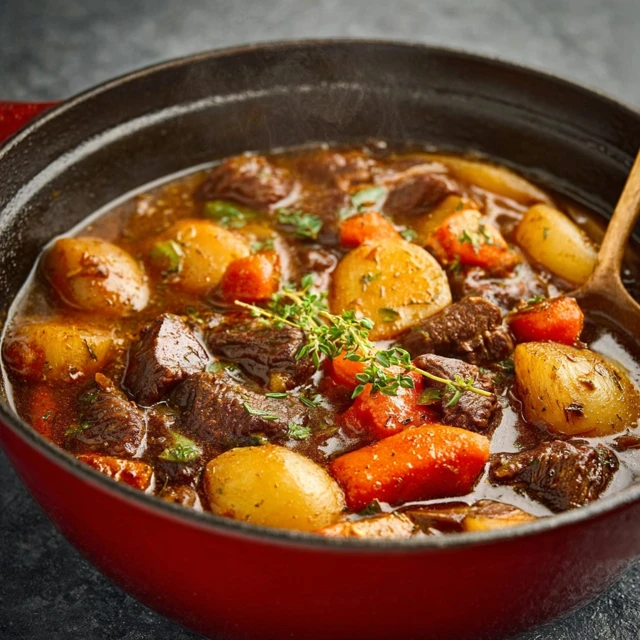
Deep, savory aromas have a way of rewriting a whole day, turning a chilly evening into a cozy sanctuary and a simple meal into a cherished memory. This isn’t just another beef stew; it’s the culmination of patient simmering and layered flavors, a recipe that feels like a warm hug in a bowl. It’s the kind of cooking that fills your home with an irresistible promise of comfort, drawing everyone to the kitchen long before dinner is served.
What you’re about to create is pure, edible comfort: impossibly tender chunks of beef that melt in your mouth, swimming alongside perfectly cooked carrots and potatoes in a rich, glossy, and profoundly flavorful gravy. Every spoonful is a testament to the magic of low-and-slow cooking, transforming humble ingredients into a truly spectacular meal that tastes like it came from Grandma’s kitchen, but with a few simple techniques that guarantee perfection every single time.
The Classic Beef Stew Difference
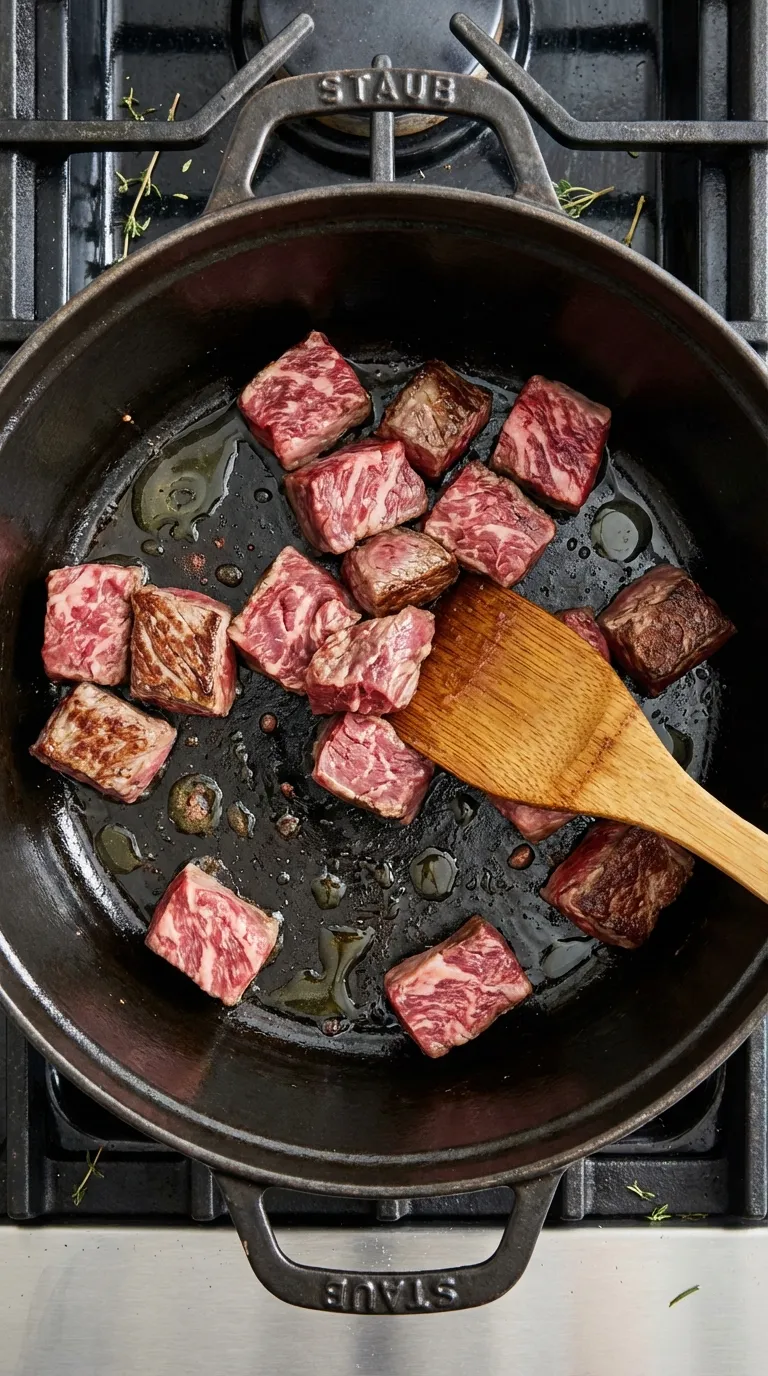
- Deeply Browned Beef: We don’t just brown the beef; we sear it hard to create a deep, dark crust. This Maillard reaction is the foundation of the stew’s rich, savory flavor and is a non-negotiable step for incredible depth.
- Layered Flavor Base: Instead of just using water or broth, we build flavor by deglazing the pan with red wine and enriching the base with tomato paste and Worcestershire sauce. This creates a complex, restaurant-quality gravy.
- Perfectly Timed Vegetables: We add the potatoes and carrots in the last hour of cooking. This ensures they become tender and absorb the stew’s flavor without turning to mush, maintaining their distinct texture.
The Building Blocks
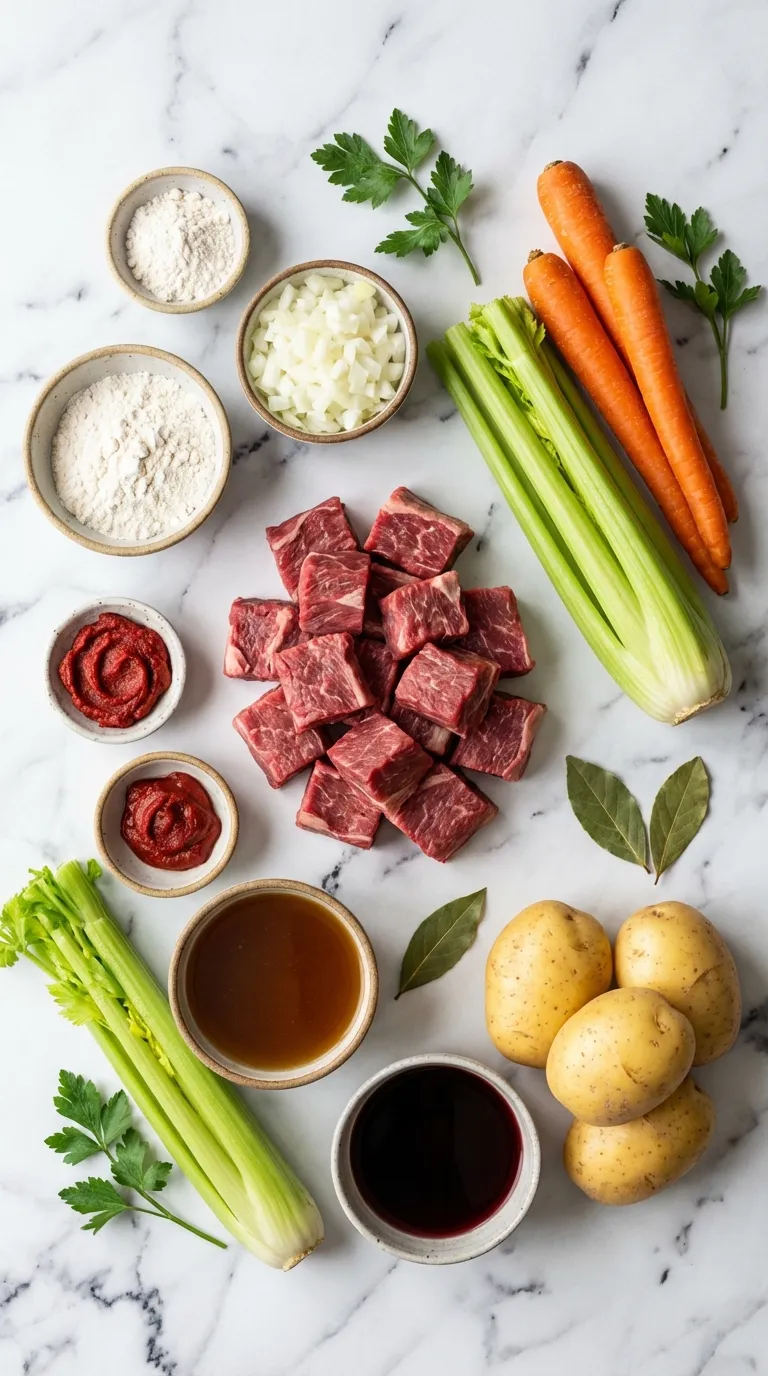
- Beef Chuck Roast: 2.5 to 3 lbs, cut into 1.5-inch cubes. (This is the star. Chuck has incredible marbling and connective tissue that breaks down into tender, succulent morsels during a long simmer. Don’t use lean stew meat.)
- All-Purpose Flour: 1/4 cup, for dredging. (This helps create that beautiful crust on the beef and acts as the first step in thickening our gravy.)
- Kosher Salt & Black Pepper: To taste. (For seasoning every layer.)
- Olive Oil or Avocado Oil: 3 tablespoons. (A neutral, high-smoke-point oil for searing.)
- Yellow Onion: 1 large, chopped.
- Carrots: 4 medium, peeled and cut into 1-inch thick rounds.
- Celery: 3 stalks, cut into 1/2-inch pieces.
- Garlic: 4-5 cloves, minced. (Because garlic makes everything better.)
- Tomato Paste: 2 tablespoons. (This is a powerhouse ingredient for umami and deep, savory flavor. Don’t skip it!)
- Dry Red Wine: 1 cup, such as Cabernet Sauvignon or Merlot. (Used to deglaze the pan, it adds an incredible, complex acidity that cuts through the richness.)
- Beef Broth: 4 cups, low-sodium. (The liquid base of our stew. Using low-sodium gives you control over the final saltiness.)
- Worcestershire Sauce: 2 tablespoons. (Another secret weapon for umami and a tangy depth of flavor.)
- Bay Leaves: 2.
- Dried Thyme: 1 teaspoon.
- Yukon Gold Potatoes: 1.5 lbs, peeled and cut into 1.5-inch chunks. (Yukon Golds hold their shape beautifully and have a creamy, buttery texture.)
- Frozen Peas: 1 cup, added at the end. (For a pop of color, sweetness, and freshness.)
- Fresh Parsley: Chopped, for garnish.
Swaps & Alternatives
While the classic combination is hard to beat, you can certainly make adjustments based on what you have on hand.- Beef: If you can’t find chuck, a bottom round roast or brisket (point cut) are decent alternatives.
- Wine: If you prefer not to cook with alcohol, you can substitute it with an equal amount of additional beef broth and a tablespoon of red wine vinegar or balsamic vinegar to mimic the acidity.
- Potatoes: Red potatoes are a great substitute as they also hold their shape well. Russets can work but may break down more and make the stew a bit starchier.
- Herbs: Feel free to use fresh herbs instead of dried. A good rule of thumb is one tablespoon of fresh herbs for every teaspoon of dried. A sprig of fresh rosemary would also be a lovely addition.
- Vegetables: Don’t be afraid to add other root vegetables like parsnips or turnips along with the carrots and potatoes for more complexity.
Gourmet Variations
Ready to take this classic to the next level? These simple additions can transform your stew into a truly gourmet experience.First, consider adding mushrooms. Sauté 8 ounces of sliced cremini mushrooms after the beef and before the onions until they are deeply browned. Their earthy, savory flavor is a natural partner for the rich beef.
For a hint of smoky depth, add a few strips of thick-cut bacon. Chop it and render it in the pot before you sear the beef, then use the rendered bacon fat for searing. Crumble the cooked bacon over the finished stew as a garnish.
A final touch of brightness can make all the difference. Just before serving, stir in a tablespoon of balsamic glaze or a squeeze of fresh lemon juice. This little bit of acid will wake up all the deep, savory flavors that have been simmering for hours.
How to Make Classic Beef Stew
1. Sear the Beef to Perfection
Pat your beef cubes completely dry with paper towels; this is crucial for getting a good sear. In a small bowl, toss the beef with the flour, a generous amount of salt (about 1.5 teaspoons), and pepper until evenly coated. Heat the oil in a large Dutch oven or heavy-bottomed pot over medium-high heat. Working in batches to avoid overcrowding the pan, sear the beef on all sides until a deep, dark brown crust forms. Transfer the seared beef to a separate plate and set aside.2. Build the Aromatic Base
Reduce the heat to medium and add the chopped onion, carrots, and celery to the pot. Sauté for 5-7 minutes, scraping up any browned bits from the bottom of the pan, until the vegetables have softened. Add the minced garlic and cook for another minute until fragrant. Stir in the tomato paste and cook for 1-2 minutes, allowing it to caramelize slightly; this deepens its flavor immensely.3. Deglaze and Create the Broth
Pour in the red wine to deglaze the pan, using a wooden spoon to scrape up every last flavorful bit stuck to the bottom. Let the wine simmer and reduce by about half, which should take 3-4 minutes. This step burns off the harsh alcohol taste, leaving behind a rich, complex flavor. Stir in the beef broth, Worcestershire sauce, bay leaves, and dried thyme.4. The Low and Slow Simmer
Return the seared beef (and any accumulated juices from the plate) to the pot. Bring the liquid to a gentle simmer, then reduce the heat to low, cover the pot, and let it cook for at least 1.5 to 2 hours. This is where the magic happens, as the tough connective tissue in the chuck roast breaks down into luscious, tender gelatin. This slow braising method is similar to what makes a French Onion Pot Roast so incredibly tender.5. Add the Vegetables
After the initial simmer, the beef should be starting to get tender. Add the cubed potatoes to the pot, stir everything together, and ensure the potatoes are mostly submerged in the liquid. Place the lid back on and continue to simmer for another 45-60 minutes, or until both the beef and the potatoes are fork-tender. If you prefer a hands-off approach, you might love the simplicity of a Crock Pot Beef Stew, which uses a similar principle of slow cooking.6. Thicken and Finish
Your goal is a thick brown beef stew with chunks of meat, carrots, and potatoes, and now it’s time to perfect that gravy. If your stew isn’t as thick as you’d like, you can make a simple cornstarch slurry. Mix 1 tablespoon of cornstarch with 2 tablespoons of cold water until smooth, then stir it into the simmering stew. Let it cook for a few more minutes to thicken. Finally, stir in the frozen peas and cook for just 2-3 minutes until they are bright green and heated through. Remove the bay leaves before serving and garnish with fresh parsley.Avoid These Pitfalls
- Not Searing the Beef: Skipping the searing step is the biggest mistake. You’ll miss out on the deep, foundational flavor that makes the stew rich and complex. Don’t rush this part!
- Using Lean Meat: Using pre-cut “stew meat” or a lean cut like sirloin will result in dry, tough, and chewy beef. You need the fat and collagen from a cut like chuck roast to achieve that melt-in-your-mouth texture.
- Adding Vegetables Too Early: If you add the potatoes and carrots at the beginning, they will turn to complete mush by the time the beef is tender. Timing is everything for perfect texture.
Perfect Pairings
A stew this hearty and delicious deserves the perfect companion to soak up every last drop of that incredible gravy. The ultimate classic pairing is, without a doubt, serving it over a mountain of fluffy white mashed potatoes. The creamy, buttery potatoes are the perfect vehicle for the rich, savory stew.Crusty bread is also non-negotiable. A warm baguette, sourdough, or even simple dinner rolls are perfect for dipping and ensuring no gravy is left behind. For a bit of green, a simple side salad with a bright vinaigrette can provide a lovely, fresh contrast to the richness of the stew.
While this dish is a complete meal, it shares a comforting soul with other beef classics. If you love the tender beef here, you’ll also appreciate the similar texture in a classic Pot Roast With Carrots, Potatoes & Gravy or the creamy, tangy sauce of a good Beef Stroganoff. It’s a heartier, chunkier cousin to a comforting Vegetable Beef Soup, offering a more substantial bite. And for those who love the ease of set-it-and-forget-it cooking, these flavors are reminiscent of Slow Cooker Garlic Butter Beef Bites, which also celebrate tender, flavorful beef.
If you tried this recipe and loved it, please leave a 5-star rating below. It helps us so much
What is the best cut of beef for this stew and why?
The recipe strongly recommends using a beef chuck roast. This cut is ideal because its marbling and connective tissue break down during the long, slow cooking process, resulting in incredibly tender, melt-in-your-mouth morsels. The article advises against using lean stew meat, which can become dry and tough.
Why are the potatoes and carrots added later in the cooking process?
The potatoes and carrots are added in the last hour of cooking to ensure they become tender and absorb the stew’s flavor without turning to mush. This timing is crucial for maintaining their distinct texture, preventing them from overcooking while the beef becomes perfectly tender.
Can I make this beef stew without red wine?
Yes, you can. If you prefer not to use alcohol, the article suggests substituting the 1 cup of red wine with an equal amount of additional beef broth. To replicate the acidity the wine provides, you should also add one tablespoon of red wine vinegar or balsamic vinegar.
What are the most common mistakes to avoid when making this stew?
The three main pitfalls to avoid are: 1) Skipping the step of searing the beef, which builds the foundational flavor. 2) Using lean meat instead of a fatty cut like chuck roast, which results in tough beef. 3) Adding the vegetables too early, which causes them to become mushy.
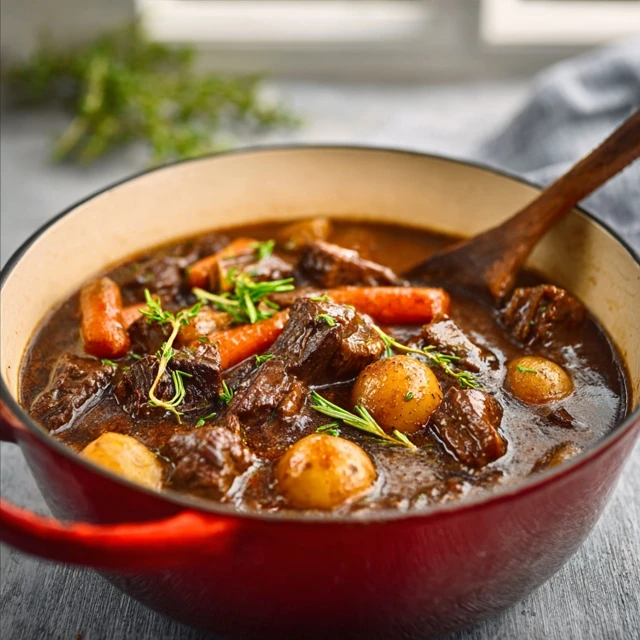

Melt in Your Mouth Classic Beef Stew

Equipment
- Large Dutch oven or heavy-bottomed pot
- Chef’s knife
- Cutting board
- Large bowl (for dredging beef)
- small bowl (for slurry)
- Measuring cups
- Measuring spoons
- Wooden spoon or spatula
- Tongs
- Ladle
Ingredients
- 2.5 to 3 lbs beef chuck roast, cut into 1.5-inch cubes
- ¼ cup all-purpose flour
- 1.5 teaspoons kosher salt, plus more to taste
- Freshly ground black pepper, to taste
- 3 tablespoons olive oil or avocado oil
- 1 large yellow onion, chopped
- 4 medium carrots, peeled and cut into 1-inch thick rounds
- 3 celery stalks, cut into 1/2-inch pieces
- 4-5 cloves garlic, minced
- 2 tablespoons tomato paste
- 1 cup dry red wine, such as Cabernet Sauvignon or Merlot
- 4 cups low-sodium beef broth
- 2 tablespoons Worcestershire sauce
- 2 bay leaves
- 1 teaspoon dried thyme
- 1.5 lbs Yukon Gold potatoes, peeled and cut into 1.5-inch chunks
- 1 cup frozen peas
- Fresh parsley, chopped, for garnish
- 1 tablespoon cornstarch optional, for thickening
- 2 tablespoons cold water optional, for slurry
Instructions
- Pat the beef cubes completely dry with paper towels. In a large bowl, toss the beef with the flour, 1.5 teaspoons of salt, and a generous amount of pepper until evenly coated.
- Heat the oil in a large Dutch oven or heavy-bottomed pot over medium-high heat. Working in batches to avoid overcrowding, sear the beef on all sides until a deep, dark brown crust forms. Transfer the seared beef to a plate and set aside.
- Reduce the heat to medium. Add the chopped onion, carrots, and celery to the pot. Sauté for 5-7 minutes, scraping up any browned bits, until the vegetables have softened. Add the minced garlic and cook for another minute until fragrant.
- Stir in the tomato paste and cook for 1-2 minutes, allowing it to caramelize and deepen its flavor.
- Pour in the red wine to deglaze the pan, using a wooden spoon to scrape all the flavorful bits from the bottom. Let the wine simmer and reduce by about half, about 3-4 minutes.
- Stir in the beef broth, Worcestershire sauce, bay leaves, and dried thyme. Return the seared beef and any accumulated juices to the pot.
- Bring the liquid to a gentle simmer, then reduce the heat to low, cover the pot, and let it cook for 1.5 to 2 hours, or until the beef is starting to become tender.
- Add the cubed potatoes to the pot, stir, and ensure they are mostly submerged in the liquid. Place the lid back on and continue to simmer for another 45-60 minutes, until both the beef and the potatoes are fork-tender.
- If the stew isn’t as thick as you’d like, mix 1 tablespoon of cornstarch with 2 tablespoons of cold water to create a smooth slurry. Stir the slurry into the simmering stew and let it cook for a few more minutes to thicken.
- Stir in the frozen peas and cook for 2-3 minutes until they are bright green and heated through. Remove the bay leaves before serving.
- Taste and adjust seasoning with salt and pepper if needed. Garnish with fresh parsley and serve hot.
Notes
– Do not skip searing the beef; it is the foundation of the stew’s deep, savory flavor.
– Use a well-marbled cut like chuck roast. Lean ‘stew meat’ can become dry and tough.
– Add potatoes and carrots in the last hour of cooking to ensure they become tender without turning to mush. Variations & Substitutions:
– For a gourmet touch, add 8 oz of sautéed cremini mushrooms or rendered, chopped bacon.
– If avoiding alcohol, replace the red wine with an equal amount of beef broth plus 1 tablespoon of red wine vinegar or balsamic vinegar.
– Red potatoes are a good substitute for Yukon Golds. Other root vegetables like parsnips or turnips can also be added.
– To brighten the flavor, stir in a tablespoon of balsamic glaze or a squeeze of fresh lemon juice just before serving. Serving Suggestions:
– This stew is perfectly paired with creamy mashed potatoes, crusty bread, or simple dinner rolls to soak up the gravy. A side salad with a light vinaigrette provides a fresh contrast.