Balancing the floral sweetness of clover honey with the sharp, electric punch of fresh lime juice creates a flavor profile that wakes up every single taste bud on your tongue. This isn’t just another weeknight poultry dish; it is a masterclass in how simple, high-quality ingredients can transform a humble chicken breast into a restaurant-quality centerpiece.
You can expect a glossy, sticky glaze that clings to tender meat, offering a caramelized exterior that shatters slightly before revealing a juicy, citrus-infused interior. It is the kind of meal that feels light and refreshing yet deeply satisfying, making it a staple for those evenings when you want maximum flavor with minimal cleanup.
The Honey Lime Chicken Difference
- The Acid-Sugar Balance: The lime juice acts as a natural tenderizer while the honey provides the perfect medium for caramelization.
- High-Heat Searing: Starting with a hot pan ensures a crust that locks in moisture before the sauce even touches the pan.
- Versatile Flavor Profile: This dish bridges the gap between sweet, sour, and savory, making it compatible with dozens of side dishes.
The Building Blocks
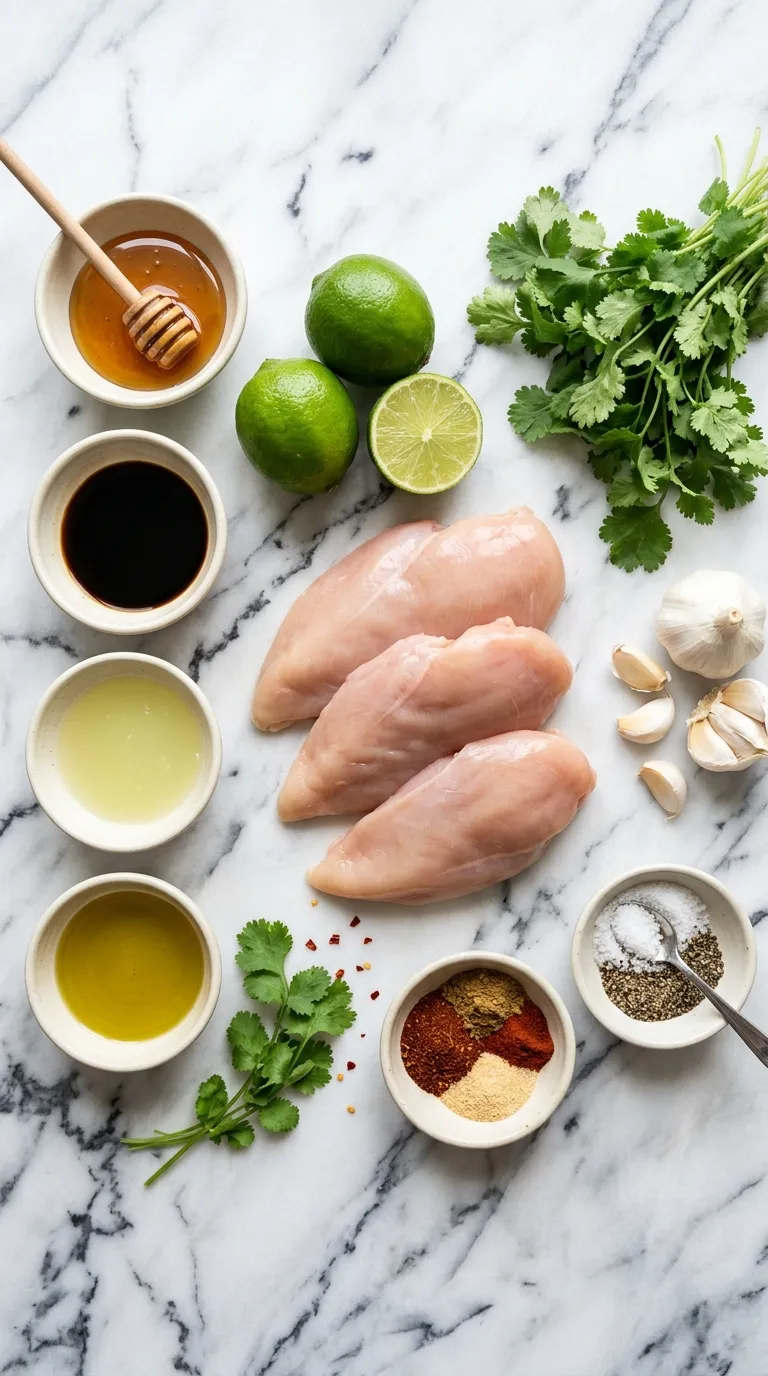
Creating a dish this vibrant requires a focus on the quality of your pantry staples. When you are working with a short list of ingredients, each one has a massive impact on the final result.
I always recommend using the freshest citrus you can find, as the bottled stuff often carries a metallic aftertaste that can ruin the delicate honey notes. Let’s look at what you need to pull this together.
- Chicken Breasts or Thighs: (Breasts for a leaner meal, or thighs for maximum juiciness and flavor).
- Fresh Lime Juice: (Provides the essential acidity to cut through the sweetness of the honey).
- Lime Zest: (Contains the aromatic oils that give the dish its signature “zesty” fragrance).
- Raw Honey: (Acts as the thickening agent for the glaze and provides a rich, floral sweetness).
- Fresh Garlic: (Adds a pungent, savory backbone that prevents the dish from being too sweet).
- Soy Sauce: (Provides the necessary salt and umami to balance the citrus).
- Olive Oil: (A high-quality fat for searing the chicken and carrying the flavors).
- Red Pepper Flakes: (Optional, but adds a tiny hint of heat to round out the palate).
- Cilantro: (Fresh herbs at the end provide a burst of color and a cooling finish).
Adapting the Recipe
- Sweetener Swap: If you are out of honey, maple syrup or agave nectar work beautifully as a 1:1 replacement.
- Citrus Alternative: While lime is the star here, a mixture of lemon and orange juice creates a “Citrus Blast” version that is equally delicious.
- Gluten-Free Option: Swap the soy sauce for tamari or coconut aminos to keep the dish safe for gluten-sensitive guests.
- Spice Level: If you prefer something with more kick, you might enjoy making a Spicy Honey Chicken instead.
- Vegetarian Twist: This same glaze works wonders on extra-firm tofu or thick slices of cauliflower steak.
Chef’s Twists
If you want to take this recipe from a standard weeknight dinner to something truly “gourmet,” there are a few tricks I’ve learned over the years. One of my favorite additions is a tablespoon of cold, unsalted butter whisked into the sauce at the very end of cooking.
This technique, known as “monter au beurre,” gives the sauce a velvety sheen and a rich mouthfeel that rivals any high-end bistro. Another fantastic variation is to add a teaspoon of freshly grated ginger to the marinade for a bright, peppery undertone.
If you are a fan of more complex citrus profiles, you should definitely check out this Fiesta Lime Chicken With Avocado. It builds on the lime foundation but adds a creamy, fatty element that balances the acidity perfectly.
For those who love a deeper, more aromatic garlic presence, the Honey Garlic Chicken is a natural next step in your culinary journey. It leans harder into the savory side while maintaining that sticky, irresistible glaze we all crave.
The Cooking Process
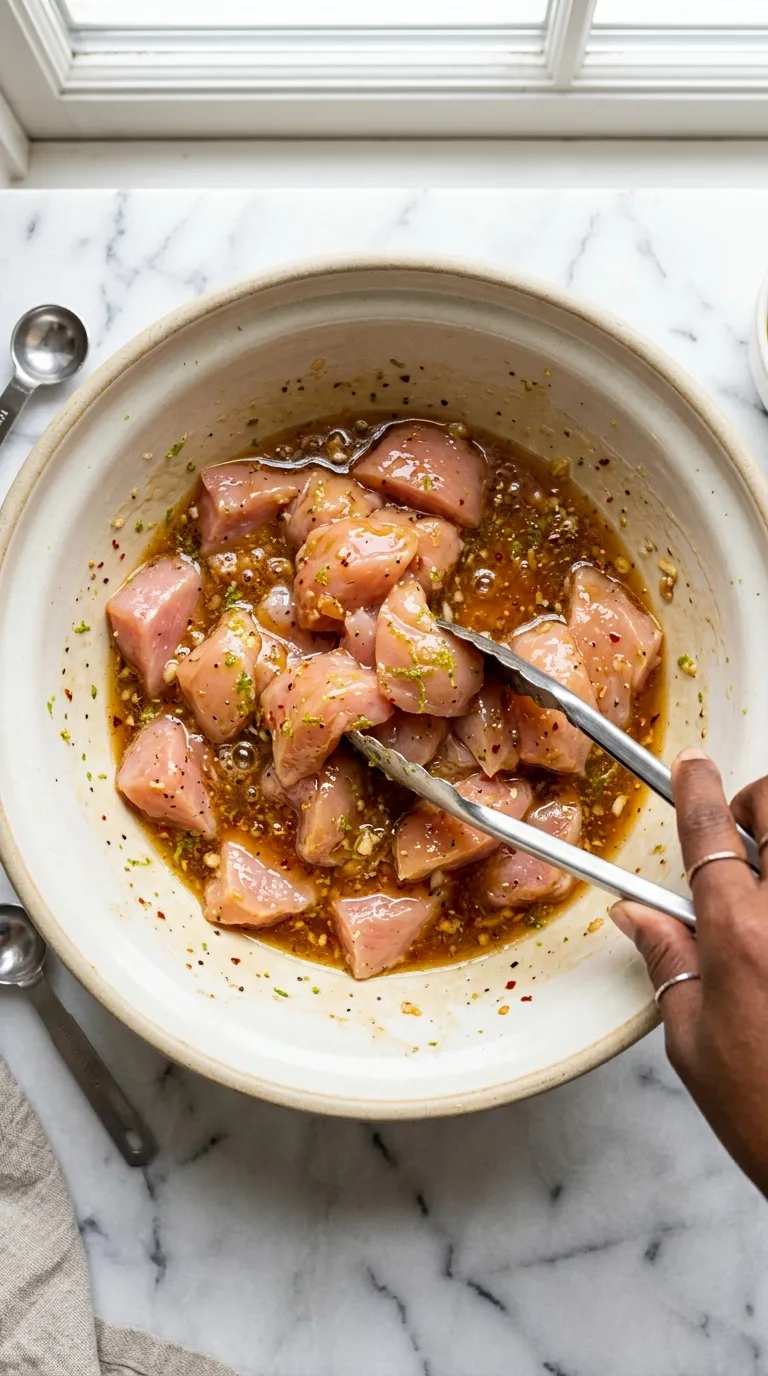
Cooking this dish is a fast-paced process, so I highly recommend having all your ingredients measured and ready before you turn on the stove. The honey in the glaze can go from perfectly caramelized to burnt in a matter of seconds, so your full attention is required.
Don’t be intimidated by the sizzle; that sound is the Maillard reaction at work, creating the deep flavors that make this chicken so memorable. Follow these steps, and you will have a masterpiece on the table in under thirty minutes.
1. Prepare the Marinade and Chicken
Start by whisking together your honey, lime juice, zest, minced garlic, and soy sauce in a small bowl. Pat your chicken dry with paper towels, as moisture on the surface of the meat is the enemy of a good sear.Season the chicken lightly with salt and pepper, keeping in mind that the soy sauce will add its own saltiness later. If you have the time, let the chicken sit in half of the marinade for 15 minutes, but it’s not strictly necessary for a great result.
2. Achieve the Perfect Sear
Heat your olive oil in a large skillet over medium-high heat until it shimmers but isn’t smoking. Place the chicken in the pan, making sure not to overcrowd it; if the pieces are too close, they will steam rather than sear.Cook the chicken for about 5-6 minutes per side, depending on the thickness, until it is opaque and has a deep brown crust. If you find the chicken is browning too quickly, lower the heat slightly to ensure the center cooks through without burning the exterior.
3. Glaze and Reduce
Once the chicken is nearly cooked through, pour the remaining marinade (or the reserved sauce) into the skillet. The liquid will bubble vigorously as the sugars in the honey begin to concentrate and thicken into a syrup.Use a spoon to continuously baste the chicken with the bubbling sauce, ensuring every inch is coated in that liquid gold. This is the same technique used for Honey Pepper Chicken, where the reduction of the sauce is key to the final texture.
4. The Final Touch
Once the sauce has thickened enough to coat the back of a spoon, remove the pan from the heat. Add a final squeeze of fresh lime juice to brighten the flavors and toss in your chopped cilantro.Let the chicken rest for three to five minutes before slicing; this allows the juices to redistribute so the meat stays moist. The residual heat in the pan will continue to thicken the glaze as it sits, creating a perfect consistency for drizzling.
Avoid These Pitfalls
- Overcooking the Breast: Use a meat thermometer to pull the chicken at 165°F (74°C) to avoid a dry, rubbery texture.
- Burning the Honey: If the sauce thickens too fast, add a splash of water or chicken broth to loosen it back up.
- Skipping the Zest: The juice provides the sourness, but the zest provides the lime flavor; you need both for a complete profile.
Toppings & Sides
The beauty of Honey Lime Chicken lies in its ability to play well with others. Because it has both sweet and acidic components, it pairs beautifully with neutral grains that can soak up the extra sauce.
A bed of fluffy jasmine rice or nutty quinoa is the traditional choice, but don’t overlook the power of a good salad. A crisp slaw made with cabbage, radishes, and a light vinaigrette provides a crunch that contrasts the tender chicken.
If you are looking for a more “Tex-Mex” inspired meal, you might want to try the Fiesta Lime Chicken style. Serve it alongside black beans, corn salsa, and a dollop of sour cream for a full-flavored feast.
For those busy weekdays when you don’t want to stand over a stove, the Crock Pot Cilantro Lime Chicken is a fantastic alternative. It offers a similar flavor profile but with the “set it and forget it” convenience of a slow cooker.
Roasted vegetables like asparagus, bell peppers, or zucchini also make excellent companions. The slight bitterness of charred greens balances the honey glaze, making for a well-rounded and healthy plate.
Whatever you choose, make sure you have extra lime wedges on the table. A final spritz of acid right before eating is the secret to making the flavors truly pop.
If you tried this recipe and loved it, please leave a 5-star rating below. It helps us so much!
What is the best way to prevent the chicken from becoming dry or rubbery?
To ensure the chicken stays juicy, use a meat thermometer to cook it to exactly 165°F (74°C) and let the meat rest for three to five minutes before slicing to allow the juices to redistribute.
Can I make this recipe if I am out of honey or need a gluten-free option?
Yes, you can substitute honey with maple syrup or agave nectar as a 1:1 replacement. For a gluten-free version, simply swap the soy sauce for tamari or coconut aminos.
Why is it important to use both lime juice and lime zest in this dish?
The lime juice provides the essential acidity to balance the sweetness of the honey, while the zest contains the aromatic oils necessary for the dish’s signature zesty fragrance.
What should I do if the honey glaze starts to burn or thickens too quickly?
If the sauce thickens too fast or begins to burn, add a splash of water or chicken broth to the skillet to loosen the glaze and restore the proper consistency.
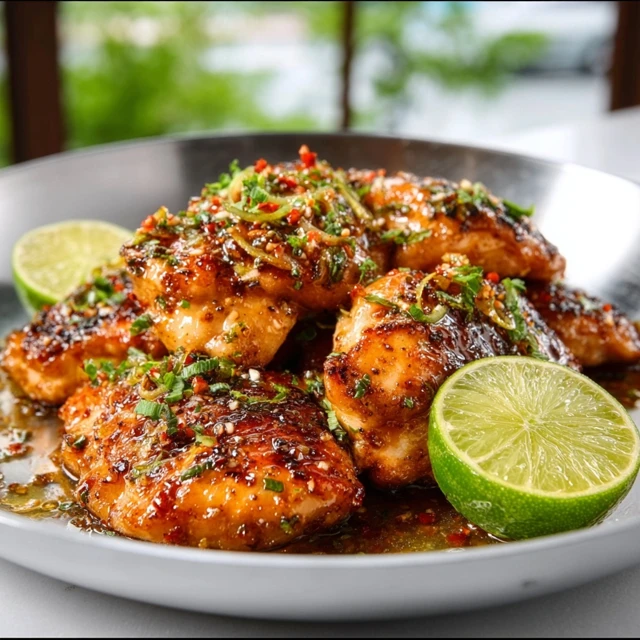

Honey Lime Chicken Zesty Fresh Protein Dinner

Equipment
- Large skillet
- small mixing bowl
- Whisk
- Paper towels
- Meat thermometer
- Chef’s knife
- Cutting board
- Measuring spoons
- Measuring cups
- Tongs
- Basting spoon
Ingredients
- 1.5 lbs Chicken breasts or boneless skinless thighs
- ¼ cup Raw clover honey
- 3 tablespoons Fresh lime juice
- 1 tablespoon Lime zest
- 3 cloves Fresh garlic, minced
- 2 tablespoons Soy sauce or tamari for gluten-free
- 1 tablespoon Olive oil
- ½ teaspoon Red pepper flakes optional
- ¼ cup Fresh cilantro, chopped
- ½ teaspoon Salt
- ¼ teaspoon Black pepper
- 1 tablespoon Unsalted butter optional for finishing
Instructions
- In a small mixing bowl, whisk together the honey, lime juice, lime zest, minced garlic, and soy sauce until the honey is fully incorporated.
- Pat the chicken pieces completely dry with paper towels to ensure a proper sear. Season both sides lightly with salt and black pepper.
- Optional: If time permits, marinate the chicken in half of the prepared sauce for 15 minutes before cooking.
- Heat the olive oil in a large skillet over medium-high heat until the oil shimmers.
- Add the chicken to the skillet, being careful not to overcrowd the pan. Sear for 5-6 minutes per side until a deep golden-brown crust forms and the internal temperature reaches 165°F (74°C).
- Pour the remaining sauce into the skillet. The liquid will bubble vigorously as the sugars begin to caramelize.
- Use a spoon to continuously baste the chicken with the reducing sauce until the glaze is thick enough to coat the back of a spoon.
- Remove the skillet from the heat. If using, whisk in the cold butter at this stage to create a velvety finish (monter au beurre).
- Garnish with fresh cilantro and an extra squeeze of lime juice.
- Let the chicken rest for 3 to 5 minutes before slicing to keep the meat juicy.