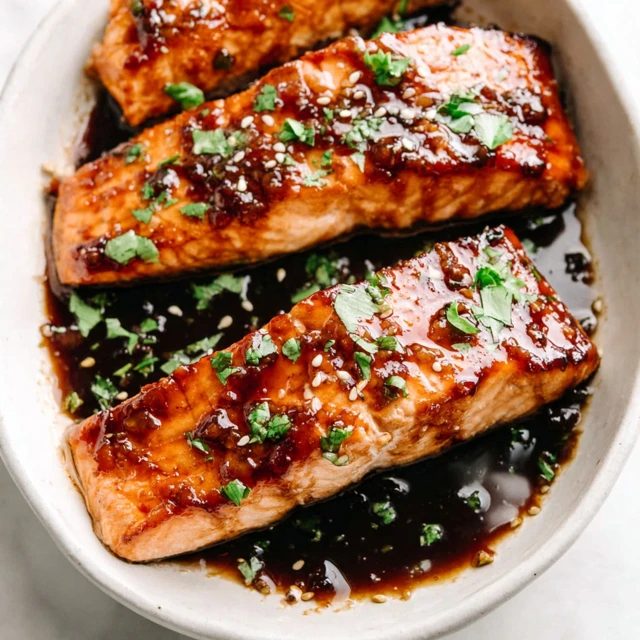
A lacquered, shimmering glaze is the ultimate promise of a good meal, and this one speaks volumes before you even take a bite. It’s the kind of sauce that clings lovingly to every flake of perfectly cooked salmon, a sweet and savory masterpiece that transforms a simple fillet into something truly spectacular. This isn’t just another weeknight dinner; it’s a moment of pure culinary joy, crafted in your own kitchen with surprising ease.
Get ready for salmon that is unbelievably tender and flaky on the inside, with a beautifully caramelized, sticky crust on the outside. The honey garlic glaze reduces to a thick, syrupy consistency that balances the richness of the fish with a symphony of sweet honey, pungent garlic, salty soy sauce, and a bright spark of acid. It’s a restaurant-quality dish that comes together in under 30 minutes, making it one of the most rewarding and delicious easy recipes you’ll ever make.
The Honey Garlic Glazed Salmon Difference
- The Perfect Glaze Texture: We use a cornstarch slurry to create a glaze that isn’t watery or thin. It thickens beautifully into a rich, syrupy sauce that actually clings to the salmon instead of pooling at the bottom of the pan.
- Sear-First, Bake-Later Technique: Searing the salmon skin-side down first creates an incredibly crispy skin and locks in moisture. Finishing it in the oven allows the fish to cook through gently while the glaze caramelizes on top without burning.
- Balanced, Addictive Flavor: This recipe nails the balance. The sweetness of the honey is perfectly countered by the savory depth of soy sauce and the sharp bite of fresh garlic and ginger, creating a complex flavor that hits every note.
The Building Blocks
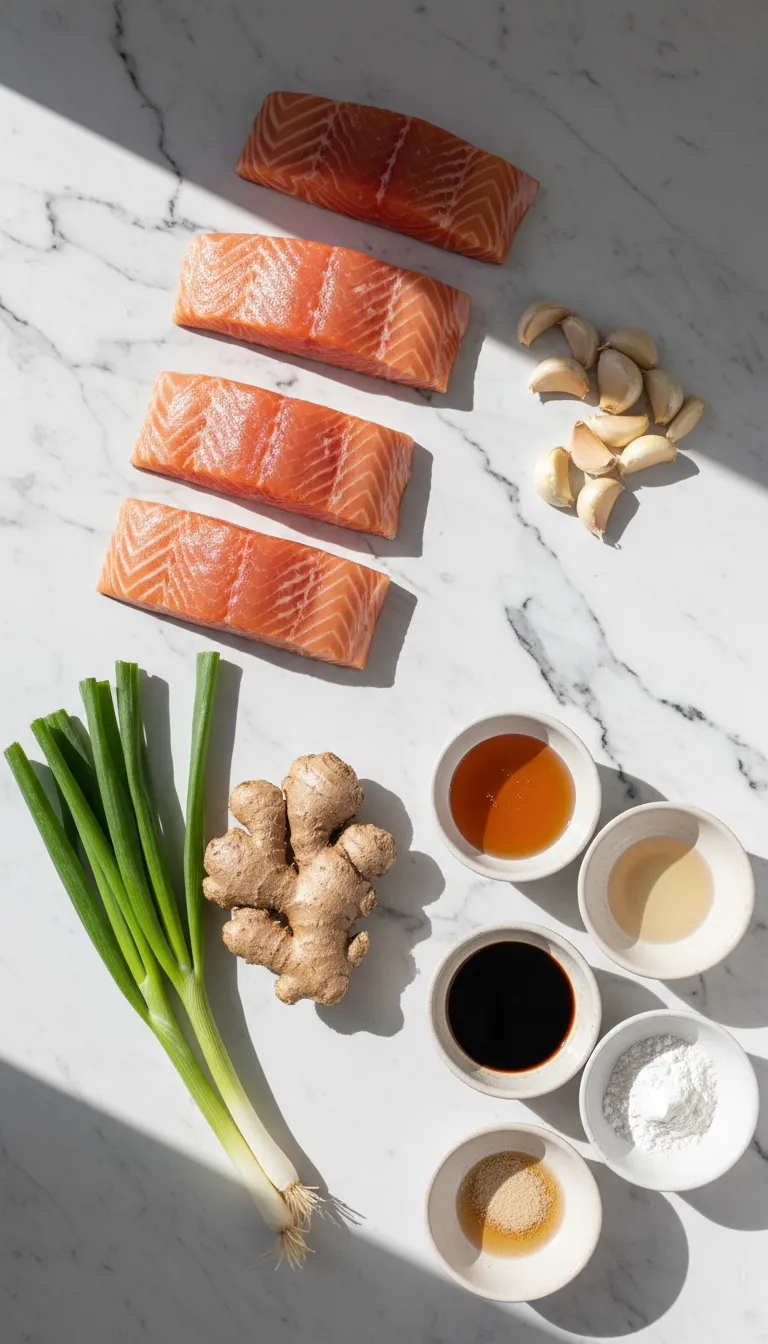
The magic of this dish lies in its simplicity, but using high-quality ingredients will elevate the final result from good to unforgettable. Think of this as your foundational shopping list for one of the best salmon recipes you’ll ever try.
- Salmon Fillets: (The star of the show) Look for thick, center-cut fillets, about 6 ounces each. Coho or Sockeye are fantastic choices, but Atlantic salmon works beautifully too. Skin-on is preferred for an extra crispy texture!
- Honey: (For sweetness and stickiness) A classic clover or wildflower honey works perfectly. It’s the key to that signature sticky glaze.
- Low-Sodium Soy Sauce: (For savory depth and color) Using low-sodium gives you control over the saltiness, preventing the final dish from being overpowering. Tamari is a great gluten-free alternative.
- Fresh Garlic: (The aromatic heart of the dish) Please use fresh cloves, not the pre-minced jarred kind. The flavor is brighter and more potent, which is essential for this honey garlic sauce.
- Fresh Ginger: (For a warm, zesty kick) A small knob, finely grated, adds a layer of warmth and complexity that complements the garlic perfectly.
- Rice Vinegar: (For a touch of acidity) This cuts through the richness of the salmon and the sweetness of the honey, balancing the entire sauce. Lemon juice can also be used.
- Sesame Oil: (For nutty, aromatic flavor) Just a little bit adds a wonderful toasted, nutty aroma that rounds out the Asian-inspired flavors of the glaze.
- Cornstarch: (The secret to a thick glaze) Mixed with a little water to make a slurry, this is what transforms the sauce from a thin liquid into a thick, clingy glaze.
- Olive Oil: For searing the salmon and preventing it from sticking.
- Garnish (Optional): Toasted sesame seeds and thinly sliced green onions for a pop of color and fresh flavor.
Swaps & Alternatives
Don’t have everything on hand? No problem. This recipe is wonderfully flexible. Here are a few simple swaps you can make in a pinch.
- For Honey: Maple syrup is the best substitute, offering a similar sweetness and ability to caramelize, though with a slightly different flavor profile.
- For Low-Sodium Soy Sauce: If you need a gluten-free option, tamari or coconut aminos are excellent one-to-one replacements.
- For Rice Vinegar: Apple cider vinegar or fresh lemon juice can provide the necessary acidity to balance the sauce.
- For Salmon: This incredible glaze also works wonders on other types of seafood. Try it with cod, halibut, or even large shrimp. In fact, if you love this, you must try this dedicated Honey Garlic Shrimp recipe.
- For Fresh Ginger: If you’re out of fresh ginger, you can use 1/4 teaspoon of ground ginger, but add it with the other dry ingredients to ensure it distributes evenly.
Flavor Boosts
Ready to take this classic honey garlic salmon to the next level? These simple additions can add a whole new dimension of flavor and make the recipe uniquely yours.
- Add a Kick of Spice: Whisk 1-2 teaspoons of sriracha or a pinch of red pepper flakes into your glaze. The heat plays beautifully with the sweetness of the honey. For those who love a spicy-sweet combo, our Honey Sriracha Salmon Bowls are a must-try.
- Introduce Brown Butter: Before making your glaze, melt a few tablespoons of butter in the skillet and let it cook until it foams and golden-brown specks appear. The nutty, toasted flavor of brown butter adds an incredible depth and richness to the sauce.
- Citrus Zest: Add the zest of one lime or orange to the glaze right at the end of cooking. The bright, fragrant oils will infuse the sauce with a fresh, vibrant aroma that cuts through the richness. It’s a simple trick that makes a huge difference, much like in a classic Garlic Lemon Salmon.
- Miso for Umami: For an even deeper savory flavor, whisk a teaspoon of white miso paste into the soy sauce before adding it to the pan. It dissolves easily and adds a wonderful, complex umami backbone to the glaze.
How to Make Honey Garlic Glazed Salmon

This process is quick, straightforward, and incredibly rewarding. We’ll start by creating that perfect crispy skin on the stovetop and finish everything in the oven for a foolproof, tender result. This is the ultimate healthy dinner solution for a busy weeknight.
1. Prepare the Salmon and the Glaze
First things first, let’s get the salmon ready. Pat the fillets completely dry with a paper towel. This step is non-negotiable for achieving that coveted crispy skin! Season both sides generously with salt and pepper.In a small bowl, whisk together the honey, low-sodium soy sauce, minced garlic, grated ginger, rice vinegar, and sesame oil. In a separate tiny bowl, mix the cornstarch with a tablespoon of cold water until it’s completely smooth. This is your slurry—set it aside for now.
2. Sear the Salmon to Perfection
Place a large, oven-safe skillet (cast iron is perfect here) over medium-high heat and add the olive oil. Once the oil is shimmering, carefully place the salmon fillets skin-side down in the pan. You should hear a satisfying sizzle.Sear for 3-4 minutes without moving them. Let the heat do its work to crisp up that skin. You’ll see the edges of the salmon turning opaque. Gently flip the fillets and cook for just another minute on the other side.
3. Create the Signature Sticky Glaze
Pour the prepared honey garlic sauce mixture into the skillet around the salmon. Let it bubble for about 30-60 seconds, stirring it gently around the fish.Now, give your cornstarch slurry a quick re-stir (it can settle) and pour it into the pan. Continue to stir the sauce as it bubbles, and you’ll see it magically thicken into a beautiful, glossy glaze within a minute. This same technique is what makes recipes like Sticky Honey Garlic Chicken Broccoli so irresistible.
4. Finish in the Oven and Serve
Spoon some of that glorious glaze over the top of each salmon fillet. Transfer the entire skillet to a preheated 400°F (200°C) oven.Bake for 5-7 minutes, or until the salmon is cooked through and flakes easily with a fork. The internal temperature should reach 145°F (63°C). Be careful not to overcook it! Let it rest for a minute before serving, garnished with toasted sesame seeds and sliced green onions. The versatility of this honey garlic flavor profile is amazing; it’s just as delicious on beef in our Honey Garlic Steak And Potato Skillet.
Avoid These Pitfalls
- Overcooking the Salmon: This is the most common mistake with any seafood. Salmon cooks quickly! Keep a close eye on it in the oven. It’s done when it flakes easily with a fork. Remember, it will continue to cook slightly from residual heat after you pull it out.
- Burning the Garlic: Garlic can go from fragrant to bitter in seconds. When you add the sauce to the hot pan, make sure it sizzles but doesn’t scorch. Keeping the sauce moving for that first minute is key.
- A Watery Glaze: Forgetting the cornstarch slurry will result in a thin sauce that doesn’t cling to the fish. Don’t skip this step! It’s the secret to that perfect, sticky, restaurant-quality coating. If you want to try this flavor in a different format, these Honey Garlic Salmon Bites are a great example of getting that glaze just right.
Complete the Menu
This honey garlic glazed salmon is a showstopper on its own, but pairing it with the right sides turns it into a complete, satisfying meal. The goal is to choose something that can soak up that incredible extra glaze.
A bed of fluffy steamed rice (jasmine or basmati) is the classic and perfect choice. The simple grains are a wonderful canvas for the rich, savory-sweet sauce. For a healthier alternative, quinoa or cauliflower rice work beautifully as well.
When it comes to vegetables, you can’t go wrong with something green. Steamed or roasted broccoli is a fantastic pairing; the florets are perfect for catching all the extra sauce. Other great options include sautéed asparagus with a squeeze of lemon, blistered green beans, or a simple side salad with a light vinaigrette.
For a heartier meal, serve it alongside some roasted baby potatoes or a creamy mashed potato dish. The combination of the flaky salmon, sticky glaze, and comforting carbs is pure bliss. This is truly one of those versatile salmon recipes that can be dressed up or down for any occasion.
Know someone who loves Honey Garlic Glazed Salmon? Share this recipe with them
What is the secret to getting the honey garlic glaze to be thick and sticky?
The key is to use a cornstarch slurry. By mixing a small amount of cornstarch with cold water and adding it to the sauce in the pan, it transforms the thin liquid into a thick, glossy glaze that clings perfectly to the salmon.
Why does this recipe recommend searing the salmon first and then baking it?
This two-step method ensures the best texture. Searing the salmon skin-side down first creates a crispy skin and locks in moisture. Finishing it in the oven allows the fish to cook through gently and helps the glaze caramelize on top without burning the garlic in the sauce.
What are some good substitutes if I don’t have honey or soy sauce?
If you don’t have honey, maple syrup is the best substitute for a similar sweetness. For a gluten-free alternative to low-sodium soy sauce, you can use tamari or coconut aminos as a direct replacement.
How can I tell when the salmon is perfectly cooked and not dry?
The salmon should be baked for 5-7 minutes at 400°F (200°C). It is done when it flakes easily with a fork or an instant-read thermometer shows an internal temperature of 145°F (63°C). Be careful not to overcook it, as it will continue to cook slightly from residual heat after you remove it from the oven.

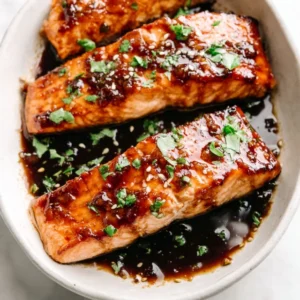
Sticky Honey Garlic Glazed Salmon

Equipment
- Large oven-safe skillet (cast iron recommended)
- Small bowl
- Tiny bowl
- Whisk
- Measuring cups and spoons
- Chef’s knife
- Cutting board
- Fine-mesh grater or zester
- Paper towels
- Spoon
Ingredients
- 1 tablespoon olive oil
- Salt, to taste
- Freshly ground black pepper, to taste
- ⅓ cup honey
- ¼ cup low-sodium soy sauce or tamari for gluten-free
- 4 cloves garlic, minced
- 1 tablespoon fresh ginger, grated
- 1 tablespoon rice vinegar
- 1 teaspoon sesame oil
- 1 teaspoon cornstarch
- 1 tablespoon cold water
- 1 teaspoon toasted sesame seeds for garnish
- 2 green onions, thinly sliced for garnish
Instructions
- Preheat your oven to 400°F (200°C). Pat the salmon fillets completely dry with paper towels. This is crucial for crispy skin. Season both sides generously with salt and pepper.
- In a small bowl, whisk together the honey, low-sodium soy sauce, minced garlic, grated ginger, rice vinegar, and sesame oil to create the glaze.
- In a separate tiny bowl, mix the cornstarch with 1 tablespoon of cold water until completely smooth to make a slurry. Set aside.
- Heat the olive oil in a large, oven-safe skillet over medium-high heat. Once the oil is shimmering, carefully place the salmon fillets skin-side down. Sear for 3-4 minutes without moving them, until the skin is golden and crisp.
- Gently flip the fillets and cook for 1 more minute on the other side.
- Pour the prepared honey garlic sauce into the skillet around the salmon. Let it bubble for 30-60 seconds.
- Give the cornstarch slurry a quick re-stir and pour it into the skillet. Continue to stir the sauce gently as it bubbles, and watch it thicken into a glossy glaze within a minute.
- Spoon some of the thickened glaze over the top of each salmon fillet. Transfer the entire skillet to the preheated oven.
- Bake for 5-7 minutes, or until the salmon is cooked through and flakes easily with a fork. The internal temperature should reach 145°F (63°C).
- Remove from the oven and let it rest for a minute. Garnish with toasted sesame seeds and sliced green onions before serving.
Notes
– For a spicy kick, add 1-2 teaspoons of sriracha or a pinch of red pepper flakes to the glaze.
– For deeper umami flavor, whisk 1 teaspoon of white miso paste into the soy sauce.
– Maple syrup can be used as a substitute for honey.
– Ensure you do not overcook the salmon; it will continue to cook slightly from residual heat after being removed from the oven.
– The cornstarch slurry is the secret to a thick, clingy glaze; do not skip this step.
– Serving Suggestions: This salmon pairs perfectly with steamed rice, quinoa, roasted broccoli, or sautéed asparagus.