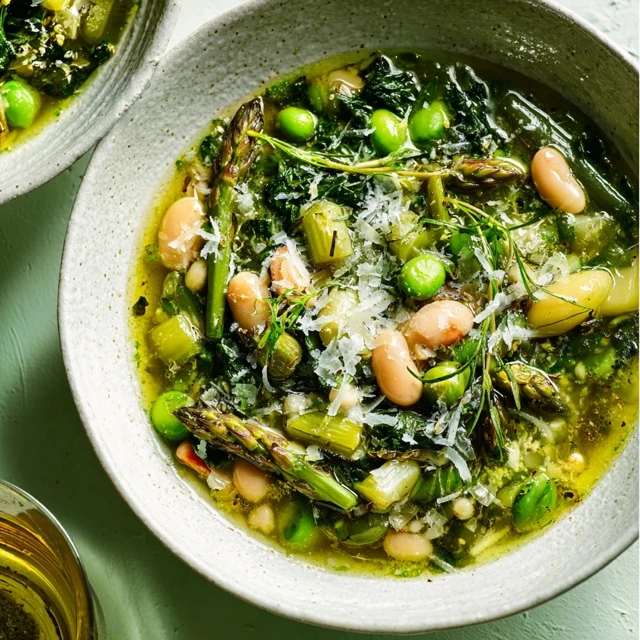
My kitchen officially declares the arrival of spring the moment this verdant, soul-lifting soup hits the stove. It’s a departure from the hearty, tomato-based minestrone we crave in winter; this version is a vibrant celebration of everything green and tender. It’s less of a recipe and more of a roadmap to capturing the essence of the season in a bowl, using the freshest produce you can find.
This Spring Minestrone Verde is pure liquid sunshine, a symphony of bright, clean flavors that feel both nourishing and incredibly light. Each spoonful delivers tender-crisp asparagus, sweet peas, and delicate pasta swimming in a fragrant, herb-infused broth that’s finished with a swirl of pesto and a squeeze of lemon. It’s the kind of healthy dinner that leaves you feeling energized and completely satisfied, a true testament to the power of simple, beautiful ingredients.
The Spring Minestrone Verde Difference
- Layered Freshness: This isn’t a one-note vegetable soup. We build flavor by sautéing aromatics, simmering a light broth, and then finishing with a powerful trio of fresh pesto, lemon juice, and dill. This technique ensures the final soup is bright and complex, not flat.
- Textural Perfection: The key is staggering when you add the vegetables. Heartier ingredients go in first, while delicate greens and herbs are added at the very end. This preserves their color and creates a delightful contrast between soft potatoes, creamy beans, and crisp-tender greens.
- A Vibrant, Green Broth: Unlike its red-sauce cousin, this soup’s beauty is in its glorious green hue. By avoiding tomatoes and finishing with a swirl of pesto and fresh herbs, the broth itself becomes a key component of the flavor and visual appeal, embodying the spirit of spring recipes.
The Building Blocks
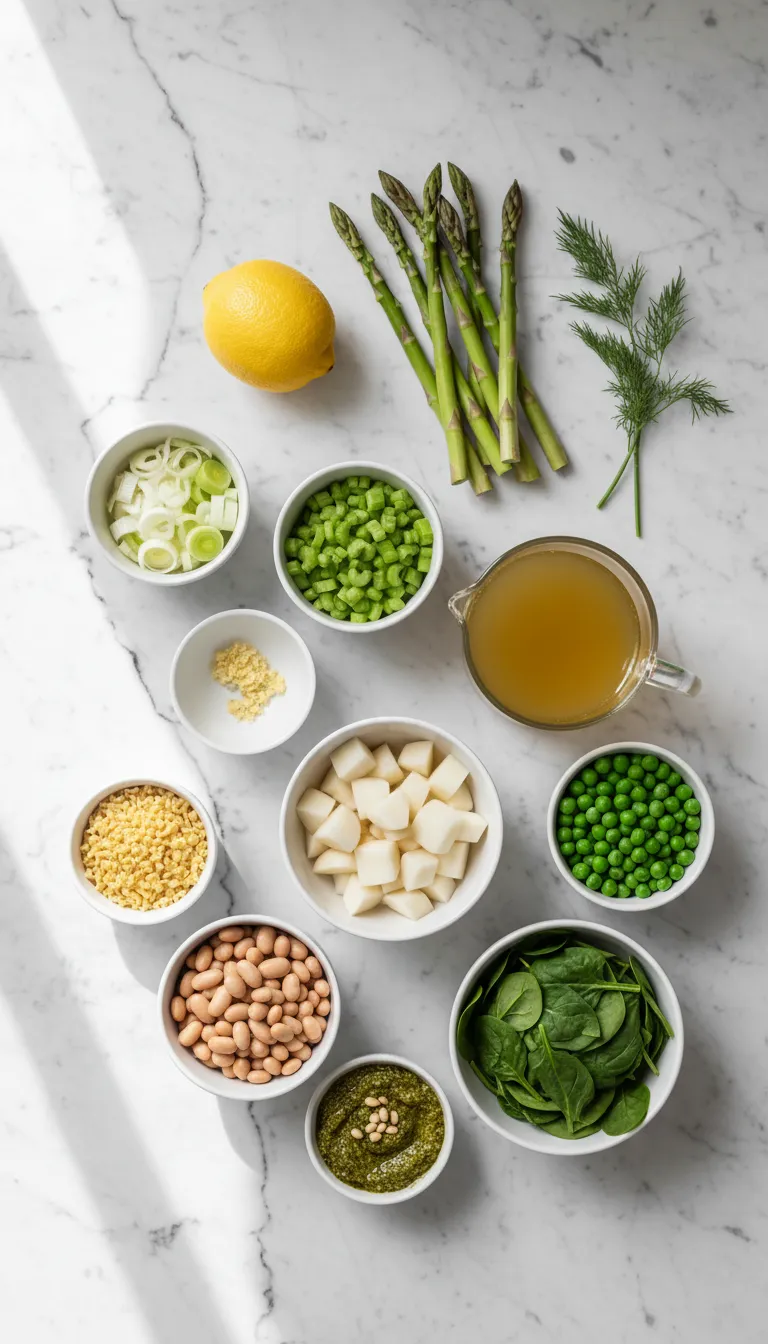
- Olive Oil: For sautéing our aromatics and building the flavor foundation.
- Leeks: Two medium leeks, white and light green parts only. (Why? Leeks provide a delicate, sweet onion flavor that is much milder than yellow onions, perfect for this light soup.)
- Celery: Adds a subtle, savory backbone to the broth.
- Garlic: Because every great soup needs it!
- Yukon Gold Potatoes: One pound, diced small. (Why? Their waxy texture means they hold their shape beautifully during simmering and add a creamy bite without turning to mush.)
- Vegetable Broth: A low-sodium, high-quality broth is essential. (This is the soul of your soup, so choose one with great flavor.)
- Small Pasta: Such as ditalini, orzo, or small shells. (Use just enough to add substance without turning it into a pasta dish.)
- Canned Cannellini Beans: One 15-ounce can, rinsed and drained. (Why? They add a wonderful creamy texture and a boost of plant-based protein, making this a satisfying option for clean eating.)
- Asparagus: One bunch, trimmed and cut into 1-inch pieces.
- Frozen Sweet Peas: They add a pop of sweetness and color. No need to thaw.
- Baby Spinach: A few large handfuls, to be wilted in at the very end.
- Prepared Basil Pesto: About 1/4 cup. (Why? This is our secret weapon. It adds an instant, complex layer of basil, garlic, pine nuts, and cheese flavor that elevates the entire dish.)
- Fresh Lemon: Both the juice and zest. (This is non-negotiable! The acidity brightens every single flavor in the bowl.)
- Fresh Dill: For a final sprinkle of bright, grassy freshness.
- Salt and Black Pepper: To taste.
Swaps & Alternatives
Don’t have everything on hand? No problem. This is one of the most flexible soup recipes you’ll ever make.- Greens: Feel free to swap the spinach for chopped kale (add it a few minutes earlier to soften) or Swiss chard.
- Beans: Great Northern beans or even chickpeas would work wonderfully in place of cannellini.
- Herbs: If dill isn’t your favorite, fresh parsley or mint would also be delicious.
- Pasta: For a gluten-free option, use your favorite gluten-free small pasta or substitute with a cup of cooked quinoa or farro, stirred in at the end.
- Broth: While this is designed as one of my favorite vegan recipes, you could certainly use chicken broth if you are not strictly plant-based.
Level Up This Recipe
Ready to take this gorgeous green soup from amazing to absolutely unforgettable? Here are a few of my favorite little twists that add a touch of gourmet flair.First, consider adding a Parmesan rind to the broth as it simmers. Just toss it in with the potatoes and broth, then remove it before serving. It won’t melt, but it will release an incredible amount of savory, umami flavor into the soup base, giving it a depth that is truly special. This is a classic Italian trick used in everything from a traditional Minestrone Soup to a hearty Pasta Fagioli.
Next, for an extra creamy finish, serve each bowl with a dollop of fresh ricotta or creamy goat cheese. The cool, tangy cheese slowly melts into the hot broth, creating luxurious little pockets of richness that contrast beautifully with the bright, fresh vegetables.
Finally, make your own pesto! While store-bought is a fantastic shortcut, a homemade basil pesto is unparalleled. The vibrant, punchy flavor of freshly blended basil, garlic, and nuts will take this soup to a whole new level of deliciousness.
How to Make Spring Minestrone Verde
1. Build Your Flavor Base
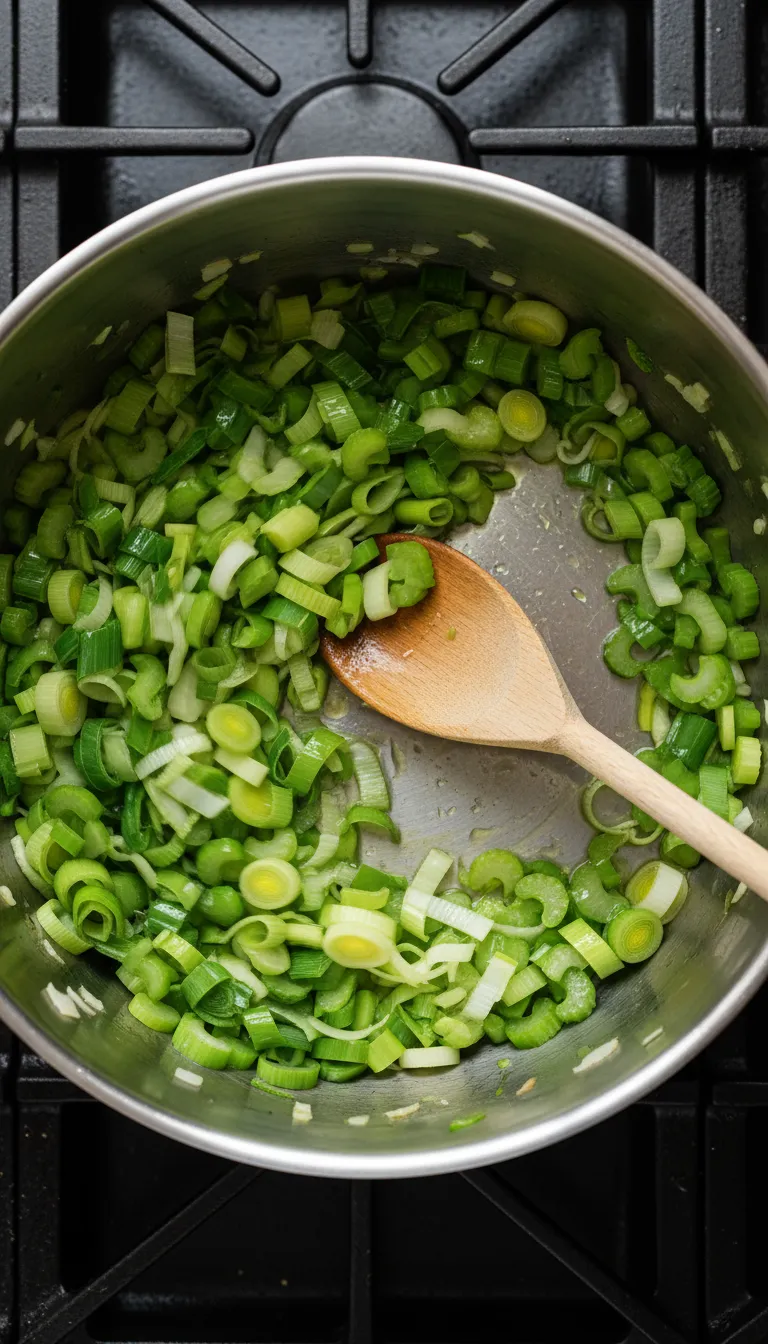
In a large Dutch oven or heavy-bottomed pot, heat the olive oil over medium heat. Add the sliced leeks and chopped celery, along with a generous pinch of salt. Sauté for about 5-7 minutes, stirring occasionally, until they are softened and fragrant but not browned. You want to gently sweat them to release their sweetness. Add the minced garlic and cook for just one more minute until you can smell its wonderful aroma.2. Simmer the Broth
Pour in the vegetable broth and add the diced potatoes. Bring the mixture to a boil, then reduce the heat to a gentle simmer. Cover the pot and let it cook for about 10-12 minutes, or until the potatoes are just becoming tender when pierced with a fork. This step is crucial for developing the foundational flavor of your vegetable soup.3. Cook the Pasta and Beans
Once the potatoes are nearly tender, stir in the small pasta and the rinsed cannellini beans. Continue to simmer, uncovered, for about 6-8 minutes, or until the pasta is al dente. The timing will depend on the specific pasta you chose, so check the package directions. It’s important not to overcook the pasta at this stage, as it will continue to soften in the hot broth. This is a technique common in many Italian-inspired soup recipes, including the beloved Zuppa Toscana.4. Add the Tender Greens
Now for the grand finale of green! Stir in the chopped asparagus and the frozen peas. They only need about 3-4 minutes to cook. You’re looking for the asparagus to turn bright green and become tender-crisp. You want it to have a slight bite, which provides a fantastic texture. Overcooking it will make it mushy and dull its color. This quick-cooking method is perfect for preserving nutrients and is a great technique for other healthy meals, like a quick Chicken And Vegetables Skillet.5. Finish with Freshness
Turn off the heat completely. This is the most important step! Stir in the handfuls of baby spinach, the prepared pesto, the fresh lemon juice, and the lemon zest. The residual heat from the soup will be more than enough to perfectly wilt the spinach without overcooking it. Stir everything together until the pesto is beautifully incorporated into the broth. Give it a final taste and season generously with salt and freshly ground black pepper.Avoid These Pitfalls
- Overcooking the Vegetables: The biggest mistake is turning your vibrant, crisp spring vegetables into a mushy mess. Add the delicate greens like asparagus, peas, and spinach at the very end of the cooking process so they retain their color, texture, and nutrients.
- Forgetting the Acid: A soup full of rich, earthy vegetables can taste flat without a final hit of brightness. The squeeze of fresh lemon juice at the end is not optional; it awakens all the other flavors and makes the soup taste alive and fresh.
- Under-seasoning the Broth: Vegetable broth can be bland. Be sure to season with salt at each stage—when sautéing the leeks, when simmering the broth, and again at the very end. A well-seasoned broth is the difference between a good soup and a great one.
Perfect Pairings
This Spring Minestrone Verde is a complete meal in a bowl, but a few simple additions can make it even more special. A thick slice of crusty, rustic bread is practically mandatory for sopping up every last drop of the delicious, pesto-infused broth. A simple sourdough or a hearty whole-grain loaf would be perfect.For a bit more substance, you could serve it alongside a simple green salad dressed with a light vinaigrette. The crispness of the salad is a lovely contrast to the warm soup. If you’re a fan of lighter, seasonal soups, you might also enjoy a Chilled Cucumber And Dill Soup on a warmer day.
To garnish, I love to add an extra drizzle of good-quality olive oil, a sprinkle of flaky sea salt, and a shower of freshly chopped dill. If you’re not keeping it strictly vegan, a generous grating of Parmesan or Pecorino Romano cheese over the top is absolutely divine. It adds a salty, nutty finish that complements the green vegetables beautifully, much like it would in a classic Rustic Tuscan Chicken Soup.
Did you change any ingredients? Let me know in the comments how you made this recipe your own
What makes this Spring Minestrone Verde different from a traditional, tomato-based minestrone?
This version is defined by its vibrant green broth, achieved by avoiding tomatoes and finishing with pesto and fresh herbs. It focuses on layered freshness by adding pesto, lemon, and dill at the end, and it maintains a variety of textures by adding delicate green vegetables last to keep them crisp-tender.
How can I prevent the vegetables in the soup from becoming mushy?
The key is to stagger when you add the ingredients. Heartier vegetables like potatoes go in first to simmer. Delicate greens such as asparagus, peas, and spinach should be added at the very end of the cooking process, as they only need a few minutes in the hot broth to become tender-crisp while retaining their bright color and texture.
Can I substitute ingredients in this recipe?
Yes, this recipe is very flexible. You can swap spinach for kale or Swiss chard, use Great Northern beans or chickpeas instead of cannellini, and replace dill with fresh parsley or mint. For a gluten-free option, you can use gluten-free pasta or cooked quinoa.
What are some ways to enhance the flavor of this soup?
To add more depth, you can simmer a Parmesan rind in the broth. For a creamy finish, serve each bowl with a dollop of fresh ricotta or goat cheese. For the most vibrant taste, consider making your own fresh basil pesto instead of using a store-bought version.
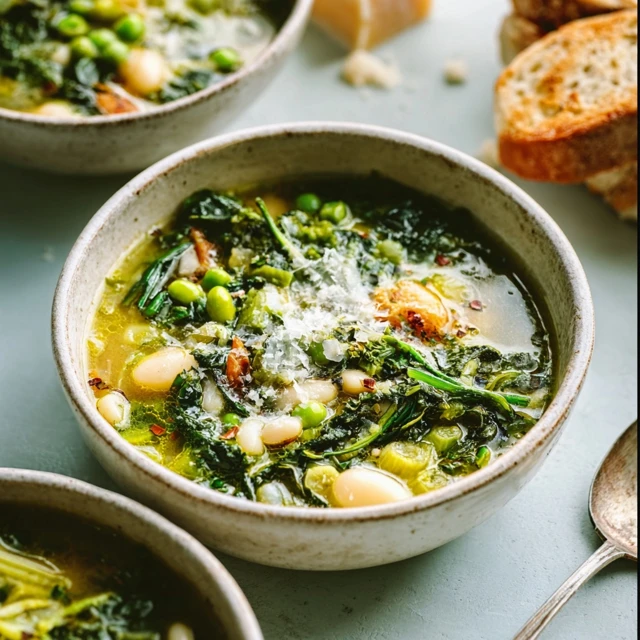
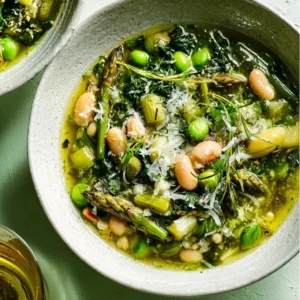
Spring Minestrone Verde (Green Goddess Soup)

Equipment
- Large Dutch oven or heavy-bottomed pot
- Chef’s knife
- Cutting board
- Measuring cups and spoons
- Vegetable peeler
- Colander
- Lemon zester or microplane
- Ladle
Ingredients
- 2 tablespoons olive oil
- 2 medium leeks, white and light green parts only, sliced
- 2 celery ribs, chopped
- 3 cloves garlic, minced
- 1 pound Yukon Gold potatoes, diced small
- 6 cups low-sodium vegetable broth
- ½ cup small pasta such as ditalini, orzo, or small shells
- 1 bunch asparagus, trimmed and cut into 1-inch pieces
- 1 cup frozen sweet peas
- 3 large handfuls baby spinach about 5 ounces
- ¼ cup prepared basil pesto
- 1 fresh lemon, zested and juiced
- ¼ cup fresh dill, chopped
- Salt, to taste
- Freshly ground black pepper, to taste
Instructions
- Heat the olive oil in a large Dutch oven or heavy-bottomed pot over medium heat. Add the sliced leeks and chopped celery with a generous pinch of salt. Sauté for 5-7 minutes, until softened and fragrant but not browned.
- Add the minced garlic and cook for one more minute until aromatic.
- Pour in the vegetable broth and add the diced potatoes. Bring the mixture to a boil, then reduce the heat to a gentle simmer. Cover the pot and cook for 10-12 minutes, or until the potatoes are just becoming tender.
- Stir in the small pasta and the rinsed cannellini beans. Continue to simmer, uncovered, for 6-8 minutes, or until the pasta is al dente, according to package directions.
- Add the chopped asparagus and frozen peas to the pot. Cook for 3-4 minutes until the asparagus turns bright green and becomes tender-crisp.
- Turn off the heat completely. Stir in the baby spinach, prepared pesto, fresh lemon juice, and lemon zest. Continue stirring until the spinach is wilted and the pesto is fully incorporated into the broth.
- Taste the soup and season generously with salt and freshly ground black pepper as needed. Serve hot, garnished with fresh dill.
Notes
– **Greens:** Swap spinach for chopped kale (add it a few minutes earlier to soften) or Swiss chard.
– **Beans:** Great Northern beans or chickpeas can be used in place of cannellini.
– **Herbs:** If dill isn’t your favorite, fresh parsley or mint are also delicious.
– **Gluten-Free:** Use your favorite gluten-free small pasta or substitute with 1 cup of cooked quinoa, stirred in at the end.
– **Flavor Boost:** For incredible umami depth, add a Parmesan rind to the broth as it simmers and remove it before serving.
– **Serving Suggestions:** This soup is perfect with crusty bread for dipping. Garnish with a dollop of fresh ricotta, a drizzle of high-quality olive oil, or a generous grating of Parmesan cheese.