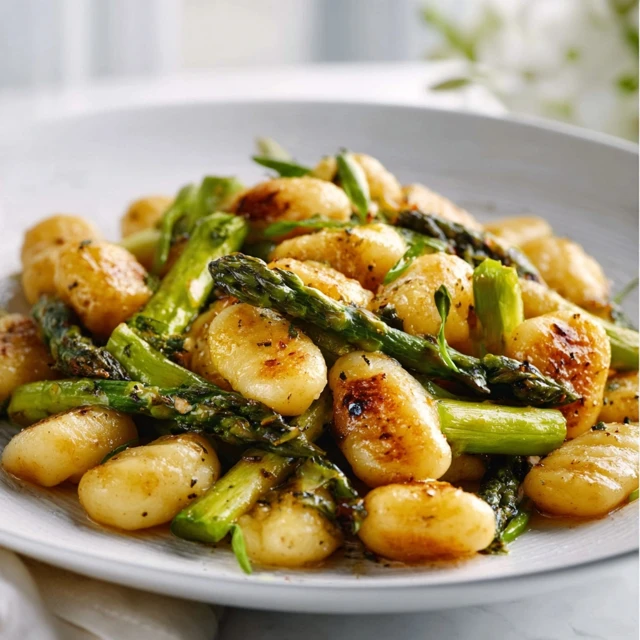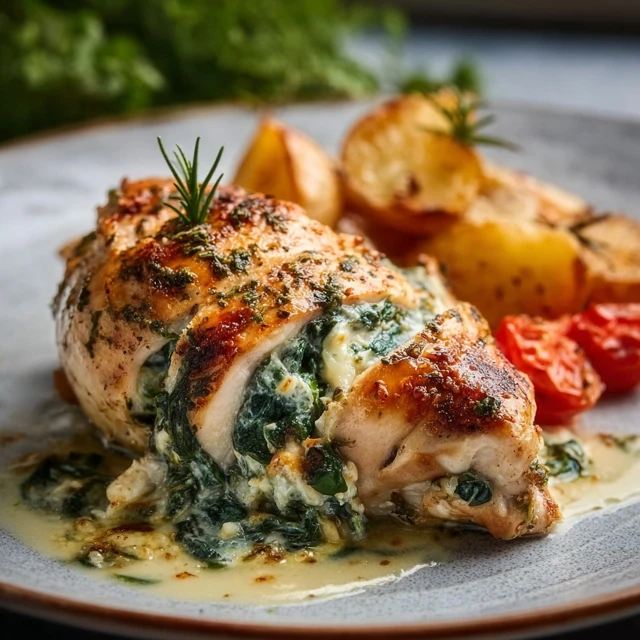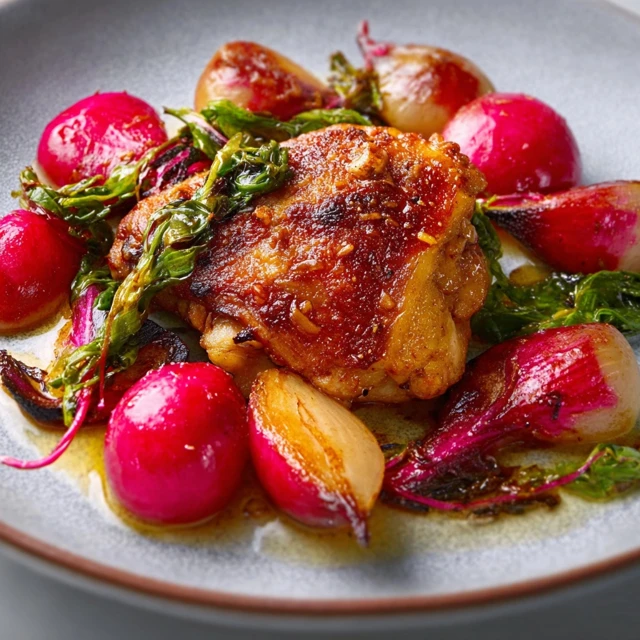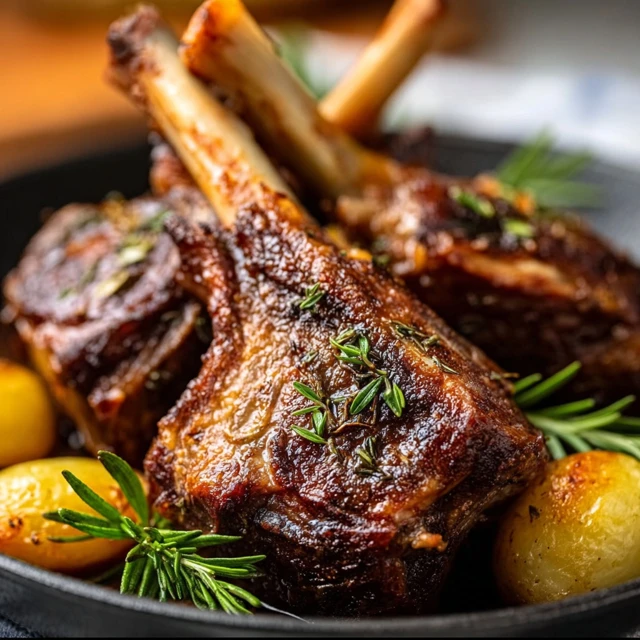
Certain cuts of meat hold a quiet promise, a potential for transformation that feels like kitchen alchemy. Lamb shanks are the perfect example; they start as a humble, tough cut, but with a little patience and a slow, gentle heat, they become something utterly magnificent. This isn’t just cooking; it’s coaxing out the deepest, most soulful flavors, turning a simple ingredient into a showstopping centerpiece worthy of any celebration.
What emerges from the oven is pure magic: impossibly tender, fall-off-the-bone meat bathed in a glossy, concentrated sauce infused with garlic, rosemary, and thyme. The aroma alone will fill your home with an intoxicating promise of comfort and elegance. This Garlic Herb Roasted Lamb Shank recipe is your guide to creating that unforgettable, high-protein gourmet dinner experience right in your own kitchen.
The Garlic Herb Roasted Lamb Shank Difference
- Fall-Apart Texture: The low-and-slow braising technique breaks down the tough connective tissues in the shank, resulting in meat so tender you can shred it with a fork. It’s luxurious and deeply satisfying.
- Layered Flavor Development: We don’t just throw everything in a pot. Searing the lamb first creates a deep, caramelized crust (the Maillard reaction!), and deglazing the pan with wine captures every last bit of that foundational flavor.
- A Rich, Self-Made Gravy: The braising liquid, enriched by the lamb, herbs, and vegetables, reduces down into a spectacular, velvety pan sauce. No extra steps or gravy packets needed!
The Essential Components
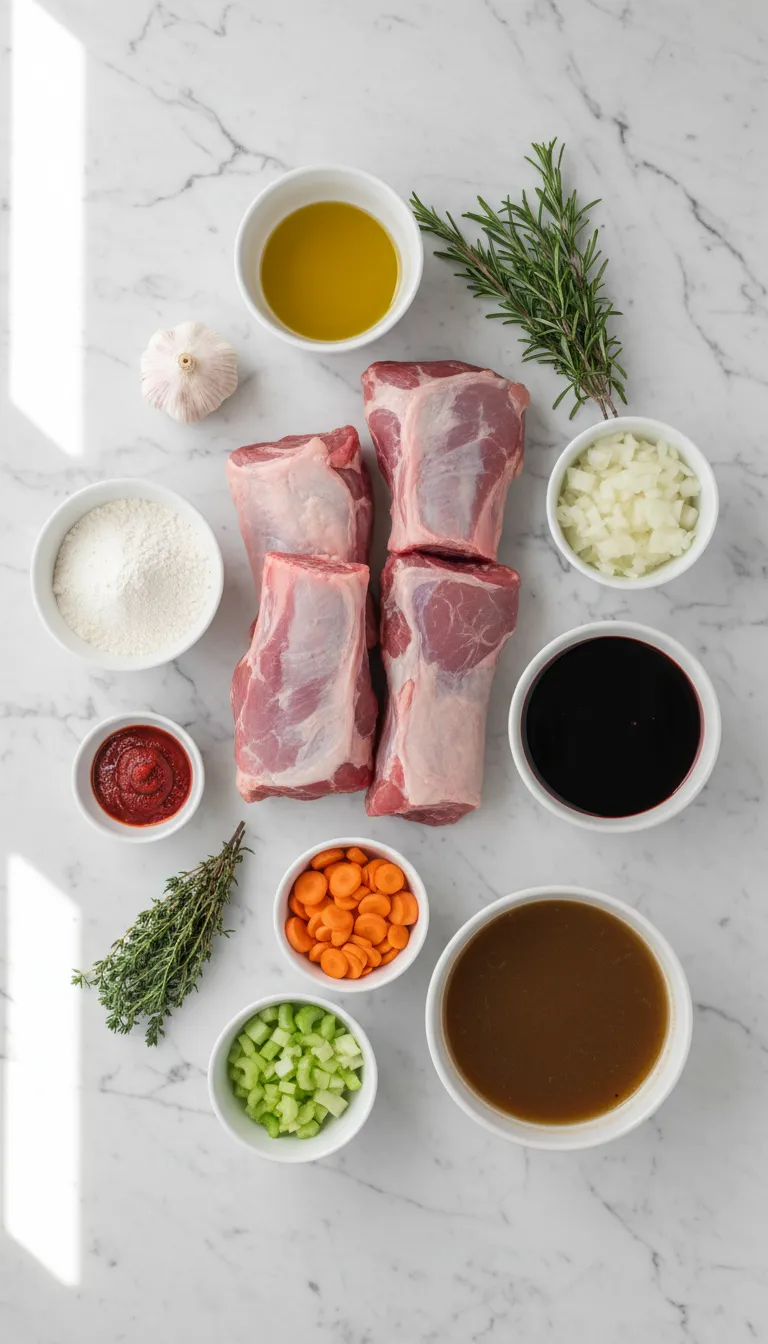
- Lamb Shanks: You’ll need 4 large lamb shanks, about 1 pound each. Look for meaty shanks with a good amount of connective tissue, which will melt into gelatinous tenderness.
- All-Purpose Flour: For dredging the lamb. This helps create a beautiful crust when searing and also acts as a subtle thickener for the final sauce.
- Salt and Black Pepper: For seasoning the lamb generously on all sides.
- Olive Oil: For searing the lamb and sautéing the vegetables.
- Yellow Onion: One large onion, chopped, creates the aromatic base of our braising liquid.
- Carrots: Two large carrots, chopped, add a subtle sweetness and depth.
- Celery: Two celery stalks, chopped, provide a savory, earthy backbone. This trio of onion, carrot, and celery is known as a mirepoix.
- Garlic: An entire head of garlic, cloves separated and smashed. (*This is non-negotiable for that deep, roasted garlic flavor that permeates the entire dish.*)
- Dry Red Wine: One cup of a good, dry red like Cabernet Sauvignon, Merlot, or Syrah. (*This is crucial for deglazing the pan and adding a rich, acidic complexity to the sauce.*)
- Beef Broth: Four cups of low-sodium beef broth. (*Using broth instead of water creates a much richer, more flavorful braising liquid and final gravy.*)
- Tomato Paste: Two tablespoons. This adds a concentrated umami punch and deepens the color of the sauce.
- Fresh Herbs: A bundle of fresh thyme (about 5 sprigs) and fresh rosemary (about 3 sprigs). (*Fresh herbs are essential; they release their aromatic oils during the slow roast, infusing the meat and sauce in a way dried herbs cannot.*)
- Bay Leaves: Two dried bay leaves for an extra layer of subtle, savory aroma.
Swaps & Alternatives
Don’t have everything on hand? No problem. This recipe is wonderfully flexible.- For the Wine: If you don’t cook with red wine, you can substitute it with an equal amount of extra beef broth and a tablespoon of balsamic vinegar to replicate the acidity.
- For the Broth: Chicken or vegetable broth can be used in a pinch, though beef broth provides the richest flavor to complement the lamb.
- Herb Variations: While rosemary and thyme are classic, you could also add fresh oregano or sage for a different aromatic profile.
- Vegetable Additions: Feel free to add chopped mushrooms or parsnips along with the mirepoix for even more earthy depth.
Chef’s Twists
Ready to make this dish uniquely yours? These simple additions can elevate your lamb shanks from amazing to absolutely unforgettable.First, for an incredible umami boost, finely mince one or two anchovy fillets and melt them into the pan with the tomato paste. You won’t taste fishiness, I promise! It just adds a secret layer of savory depth that will have everyone wondering what your magic ingredient is.
Another fantastic twist is to add a long strip of orange or lemon zest to the braising liquid along with the herbs. As the lamb cooks, the citrus oils will infuse the sauce, adding a bright, fragrant note that cuts through the richness of the meat beautifully.
Finally, consider finishing the dish with a Gremolata. Just before serving, sprinkle the lamb shanks with a simple mixture of finely chopped fresh parsley, lemon zest, and raw garlic. This fresh, zesty topping provides a stunning contrast to the slow-roasted flavors.
How to Make Garlic Herb Roasted Lamb Shank
1. Prepare and Season the Lamb
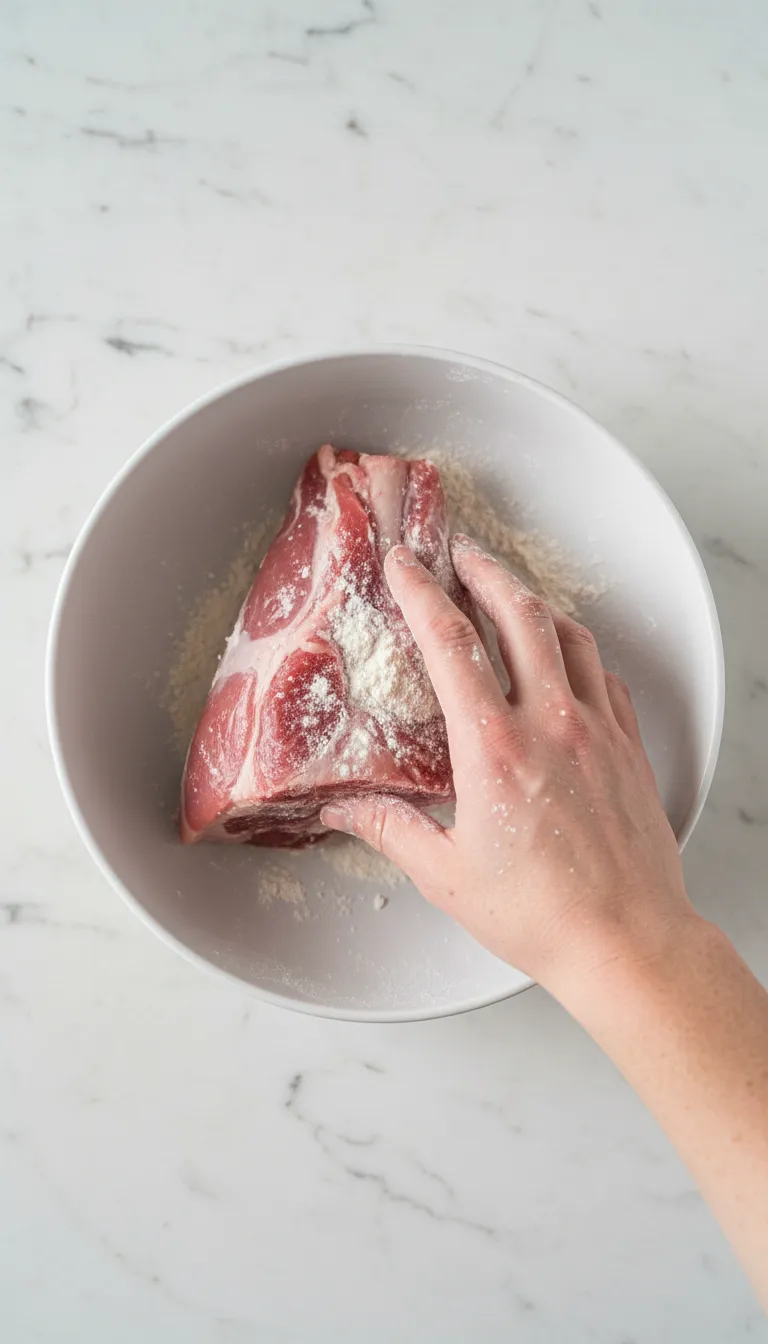
First things first, pat your lamb shanks completely dry with paper towels. This is a critical step for achieving a perfect sear. Moisture is the enemy of a good crust!In a shallow dish, mix the flour with a generous amount of salt and freshly cracked black pepper. Dredge each lamb shank in the seasoned flour, shaking off any excess. You want a light, even coating.
2. Sear for a Deep, Golden Crust
In a large, heavy-bottomed Dutch oven or oven-safe pot, heat the olive oil over medium-high heat. Once the oil is shimmering, carefully place the lamb shanks in the pot, being careful not to overcrowd them. You may need to do this in two batches.Sear the shanks on all sides until they are deeply browned and have a gorgeous, dark crust. This should take about 8-10 minutes total. This step is not for cooking the lamb through; it’s purely for developing flavor. Once seared, remove the shanks and set them aside on a plate.
3. Sauté the Aromatic Base
Reduce the heat to medium and add the chopped onion, carrots, and celery to the same pot. Sauté the vegetables in the rendered lamb fat and olive oil for about 6-8 minutes, until they have softened and started to caramelize slightly.Next, add the smashed garlic cloves and the tomato paste. Cook for another 2 minutes, stirring constantly, until the garlic is fragrant and the tomato paste has darkened in color. This “toasts” the paste, deepening its flavor.
4. Deglaze and Build the Braising Liquid
Pour the red wine into the hot pot. Using a wooden spoon, scrape up all those delicious browned bits (the “fond”) from the bottom of the pot. Let the wine bubble and reduce by about half, which should take 3-4 minutes.Now, pour in the beef broth. Stir everything together and bring the liquid to a simmer. Add the fresh thyme sprigs, rosemary sprigs, and bay leaves to the pot. This rich, fragrant liquid is the heart of the dish, much like the base for a classic Pot Roast With Carrots, Potatoes & Gravy.
5. Slow Roast to Perfection
Return the seared lamb shanks to the pot, nestling them down into the liquid. The liquid should come about halfway to two-thirds of the way up the shanks. Bring the pot back to a gentle simmer on the stovetop.Cover the Dutch oven with its lid and transfer it to a preheated 325°F (165°C) oven. Let it roast for 2.5 to 3 hours. The lamb is done when it is exceptionally tender and easily pulls away from the bone with a fork. The long, slow cooking time is what makes this a truly special gourmet dinner, similar in spirit to a luxurious French Onion Pot Roast.
6. Create the Pan Gravy
Carefully remove the pot from the oven. Gently transfer the cooked lamb shanks to a platter and cover them with foil to keep warm.Strain the braising liquid through a fine-mesh sieve into a saucepan, pressing on the solids to extract all the liquid. Discard the cooked vegetables and herbs. Skim any excess fat from the surface of the sauce.
Bring the sauce to a simmer over medium heat and let it reduce for 10-15 minutes, or until it has thickened to a beautiful, gravy-like consistency that coats the back of a spoon. Taste and adjust for seasoning with salt and pepper if needed. Pour this liquid gold over the lamb shanks before serving.
Avoid These Pitfalls
- Skipping the Sear: Rushing this step is the biggest mistake. The deep, brown crust from searing is where a huge amount of the dish’s flavor comes from. Without it, the final result will be less complex and rich.
- Rushing the Cook Time: Lamb shanks need time for the tough connective tissues to break down. If you pull them too early, the meat will be tough and chewy instead of tender and succulent. Trust the process and test for fork-tenderness.
- Not Reducing the Sauce: The braising liquid straight from the pot can be a bit thin. Taking the extra 10-15 minutes to reduce it on the stovetop concentrates the flavors and creates a velvety, restaurant-quality gravy.
Perfect Pairings
These magnificent lamb shanks deserve an equally delicious partner on the plate. The rich, savory gravy is practically begging to be soaked up by something creamy and comforting.The ultimate pairing is, without a doubt, a generous serving of creamy mashed potatoes. My recipe for Rosemary Garlic Mashed Potatoes echoes the flavors in the lamb beautifully, creating a truly harmonious meal.
Creamy polenta or a simple pearl couscous are also fantastic choices. For a vegetable side, consider simple roasted asparagus, green beans with almonds, or a fresh, crisp salad with a lemon vinaigrette to cut through the richness. While this dish is a slow-braised star, if you’re planning a menu with multiple showstoppers, it stands proudly alongside quicker-cooking options like a Beef Tenderloin Roast.
For those who love herb-forward meals, this recipe will be a new favorite, much like the simpler but equally delicious Slow Cooker Lemon Herb Chicken. And if you’re a fan of set-it-and-forget-it meaty dishes, you should also check out these Slow Cooker Garlic Butter Beef Bites for a weeknight treat.
If you tried this recipe and loved it, please leave a 5-star rating below. It helps us so much
Why is searing the lamb shanks before roasting so important?
Searing the lamb is a critical step for developing flavor. It creates a deep, caramelized crust through the Maillard reaction, which adds a huge amount of richness and complexity to the final dish. Skipping this step will result in a less flavorful meal.
What can I use as a substitute for red wine in this recipe?
If you prefer not to cook with red wine, you can substitute it with an equal amount of extra beef broth and one tablespoon of balsamic vinegar. This combination helps replicate the rich flavor and acidity that the wine provides.
How do I know when the lamb shanks are perfectly cooked?
The lamb shanks are done when the meat is exceptionally tender and easily pulls away from the bone with a fork. It’s important to allow the full 2.5 to 3 hours of slow roasting for the tough connective tissues to break down properly, resulting in a fall-apart texture.
The recipe calls for an entire head of garlic. Is that really necessary?
Yes, using an entire head of garlic is described as non-negotiable for this recipe. The large quantity of garlic is essential for creating the deep, roasted garlic flavor that permeates the entire dish and the sauce.
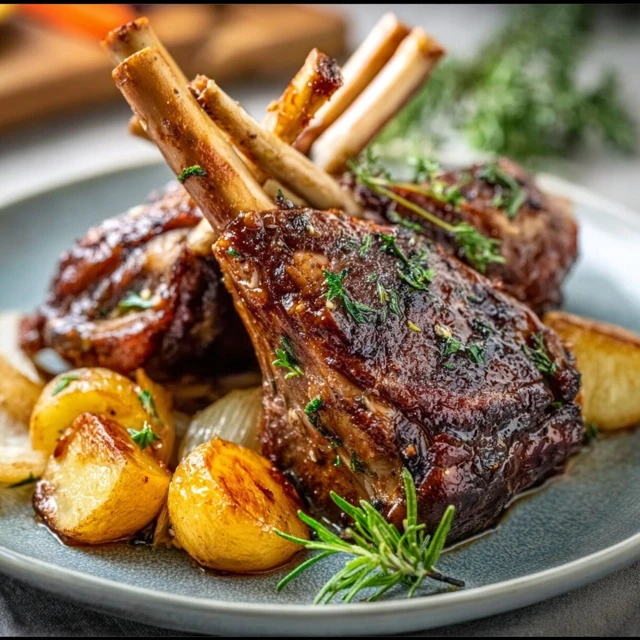
Showstopper Garlic Herb Roasted Lamb Shank

Equipment
- Large heavy-bottomed Dutch oven with lid
- Knife
- Cutting board
- Shallow Dish
- Tongs
- Wooden Spoon
- fine mesh sieve
- saucepan
- Measuring cups
- Measuring spoons
- Serving platter
- Aluminum foil
Ingredients
- 4 large lamb shanks, about 1 pound 450g
- ¼ cup all-purpose flour
- 3 tablespoons olive oil
- 1 large yellow onion, chopped
- 2 large carrots, chopped
- 2 celery stalks, chopped
- 1 entire head of garlic, cloves separated and smashed
- 2 tablespoons tomato paste
- 1 cup dry red wine e.g., Cabernet Sauvignon, Merlot
- 4 cups low-sodium beef broth
- 5 sprigs fresh thyme
- 3 sprigs fresh rosemary
- 2 dried bay leaves
- Salt, to taste
- Freshly cracked black pepper, to taste
Instructions
- Preheat your oven to 325°F (165°C). Pat the lamb shanks completely dry with paper towels.
- In a shallow dish, combine the flour with a generous amount of salt and pepper. Dredge each lamb shank in the seasoned flour, shaking off any excess.
- Heat the olive oil in a large Dutch oven over medium-high heat. Sear the lamb shanks on all sides until a deep, golden-brown crust forms, about 8-10 minutes total. Work in batches if necessary to avoid overcrowding. Transfer the seared shanks to a plate.
- Reduce the heat to medium. Add the chopped onion, carrots, and celery to the pot. Sauté for 6-8 minutes until softened and lightly caramelized.
- Stir in the smashed garlic cloves and tomato paste. Cook for another 2 minutes, stirring constantly, until the garlic is fragrant and the paste has darkened.
- Pour in the red wine to deglaze the pot. Use a wooden spoon to scrape up any browned bits from the bottom. Allow the wine to simmer and reduce by about half, which takes 3-4 minutes.
- Add the beef broth, fresh thyme sprigs, rosemary sprigs, and bay leaves. Stir to combine and bring the liquid to a simmer.
- Return the seared lamb shanks to the pot, nestling them into the liquid. The liquid should come about two-thirds of the way up the shanks. Bring back to a gentle simmer on the stovetop.
- Cover the Dutch oven and transfer it to the preheated oven. Roast for 2.5 to 3 hours, or until the meat is exceptionally tender and easily pulls away from the bone with a fork.
- Carefully remove the pot from the oven. Transfer the lamb shanks to a serving platter and cover with foil to keep warm.
- Strain the braising liquid through a fine-mesh sieve into a saucepan, pressing on the vegetables to extract all the liquid. Discard the solids.
- Skim any excess fat from the surface of the sauce. Bring the sauce to a simmer over medium heat and let it reduce for 10-15 minutes, until it has thickened to a gravy-like consistency.
- Taste the gravy and adjust seasoning with salt and pepper if needed. Pour the finished gravy over the lamb shanks and serve immediately.
Notes
Substitutions: If avoiding wine, use an equal amount of extra beef broth plus one tablespoon of balsamic vinegar. Chicken or vegetable broth can be used in place of beef broth.
Key Tips: Do not skip searing the lamb, as it builds the foundational flavor. Be patient with the cooking time to ensure the meat becomes fall-apart tender. Reducing the sauce at the end is crucial for a rich, concentrated gravy.
Serving Suggestions: This dish pairs beautifully with creamy mashed potatoes, soft polenta, or pearl couscous. For a vegetable side, consider roasted asparagus or green beans.