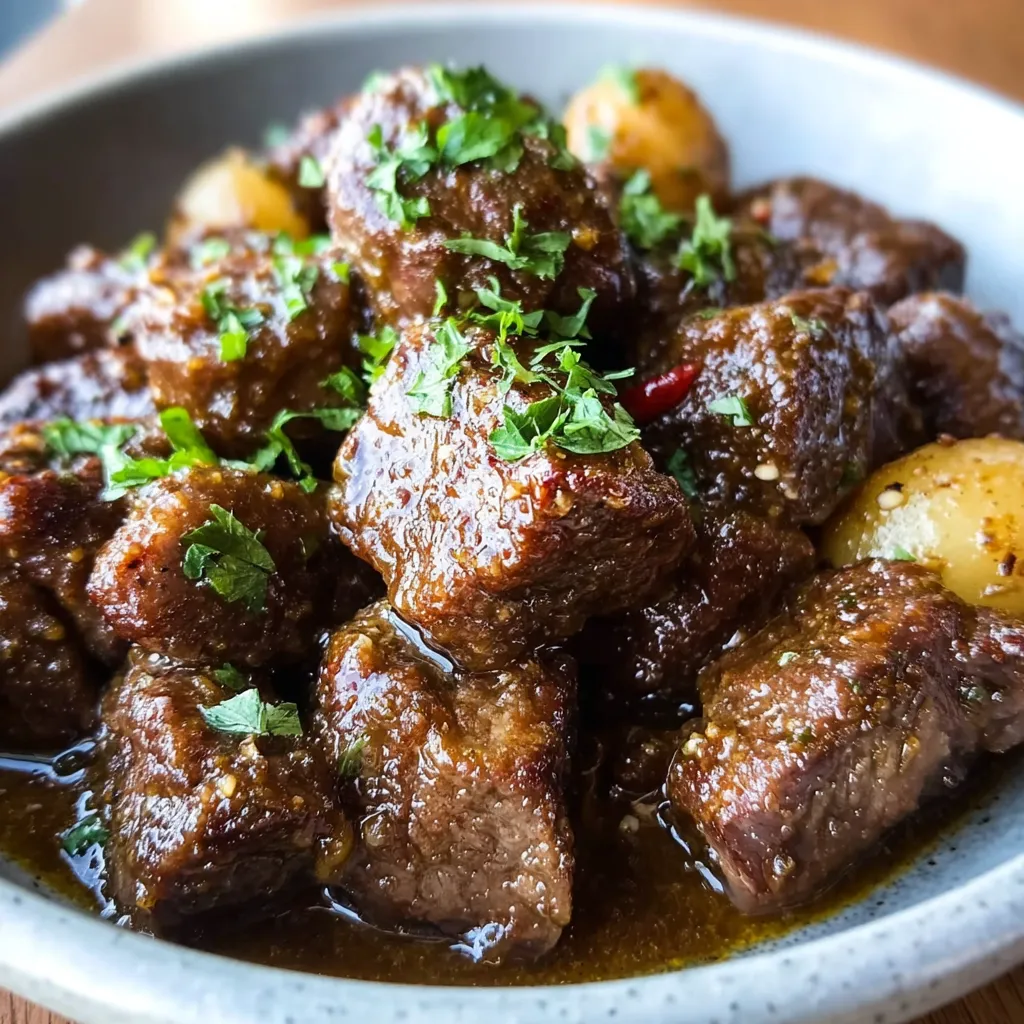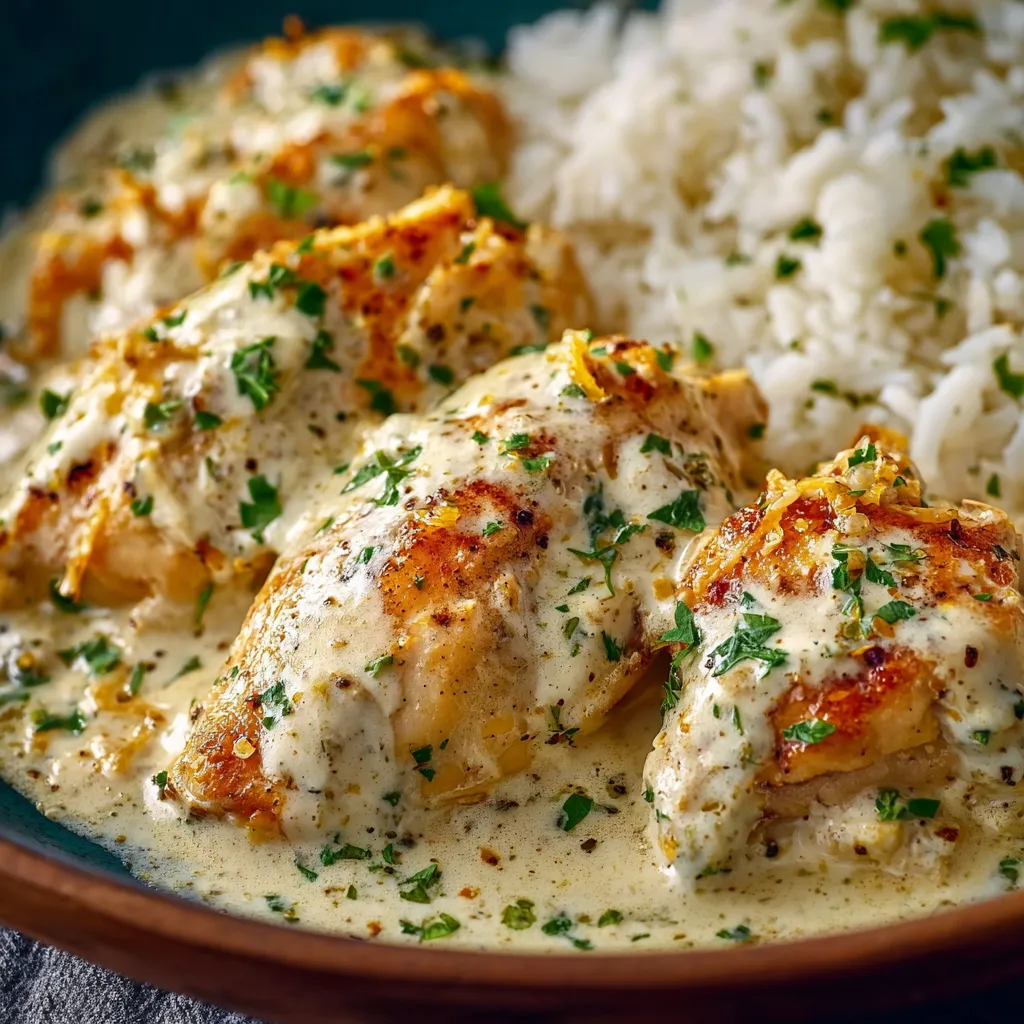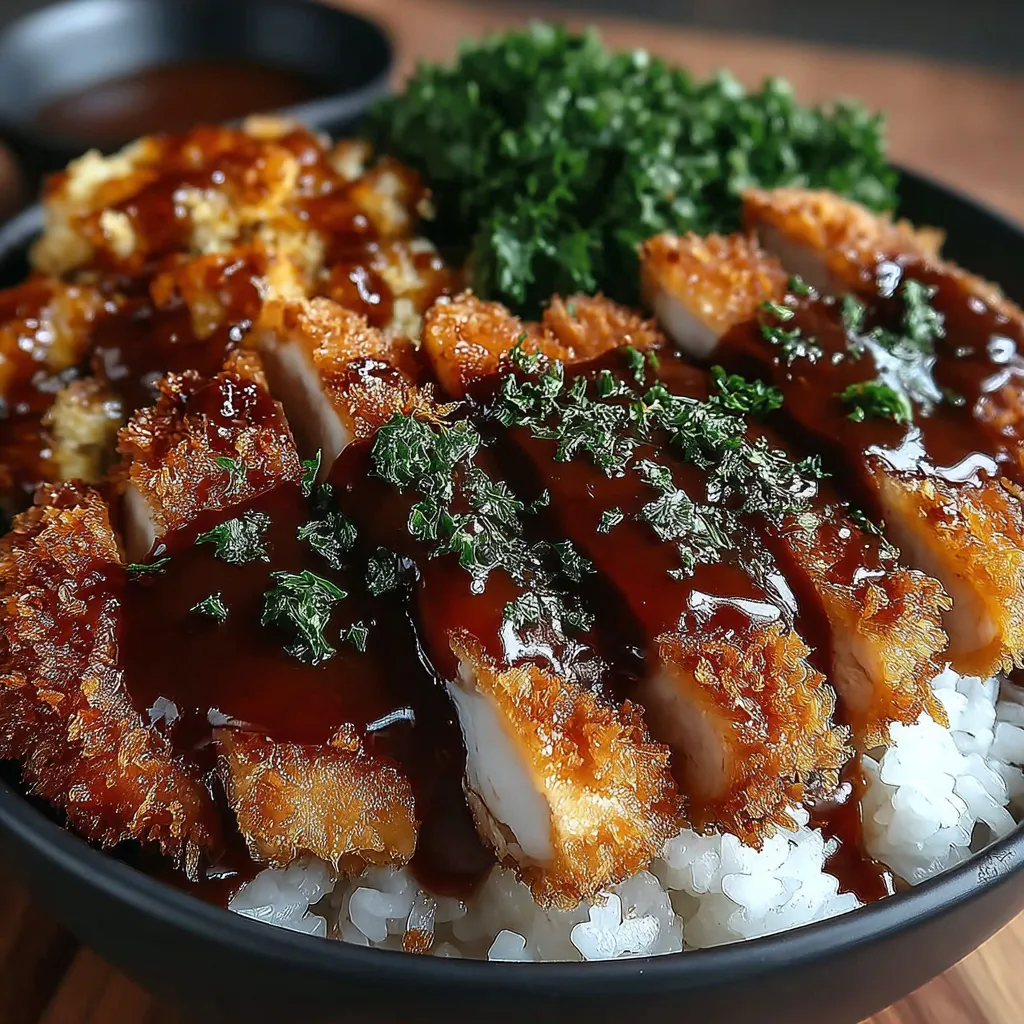
Picture biting into crispy, golden-brown perfection, followed by tender, juicy pork and fluffy rice, all bathed in a savory-sweet sauce; that’s the magic of Japanese Katsu Bowls! This isn’t just dinner; it’s a culinary adventure that brings the comforting flavors of Japan right to your table. Get ready to create restaurant-quality Japanese Katsu Bowls in your own kitchen – I promise, it’s easier than you think!
The Essential Ingredients
For the Tonkatsu (Pork Cutlets):
- 1 pound boneless pork loin, cut into 1/2-inch thick slices
- 1/2 cup all-purpose flour
- 1 large egg, beaten
- 1 cup panko breadcrumbs
- 1/2 teaspoon salt
- 1/4 teaspoon black pepper
- Vegetable oil, for frying
For the Katsu Sauce:
- 3 tablespoons ketchup
- 2 tablespoons Worcestershire sauce
- 1 tablespoon oyster sauce (optional, but highly recommended!)
- 1 tablespoon soy sauce
- 1 teaspoon sugar
- 1/2 teaspoon Dijon mustard
For the Bowl Assembly:
- Cooked Japanese short-grain rice, for serving
- 1/2 cup chicken broth or dashi
- 2 tablespoons soy sauce
- 1 tablespoon mirin (sweet rice wine)
- 1 tablespoon sugar
- 1/2 onion, thinly sliced
- 2 large eggs, lightly beaten
- 2 green onions, thinly sliced, for garnish
Let’s Talk Katsu: Your Shopping Guide
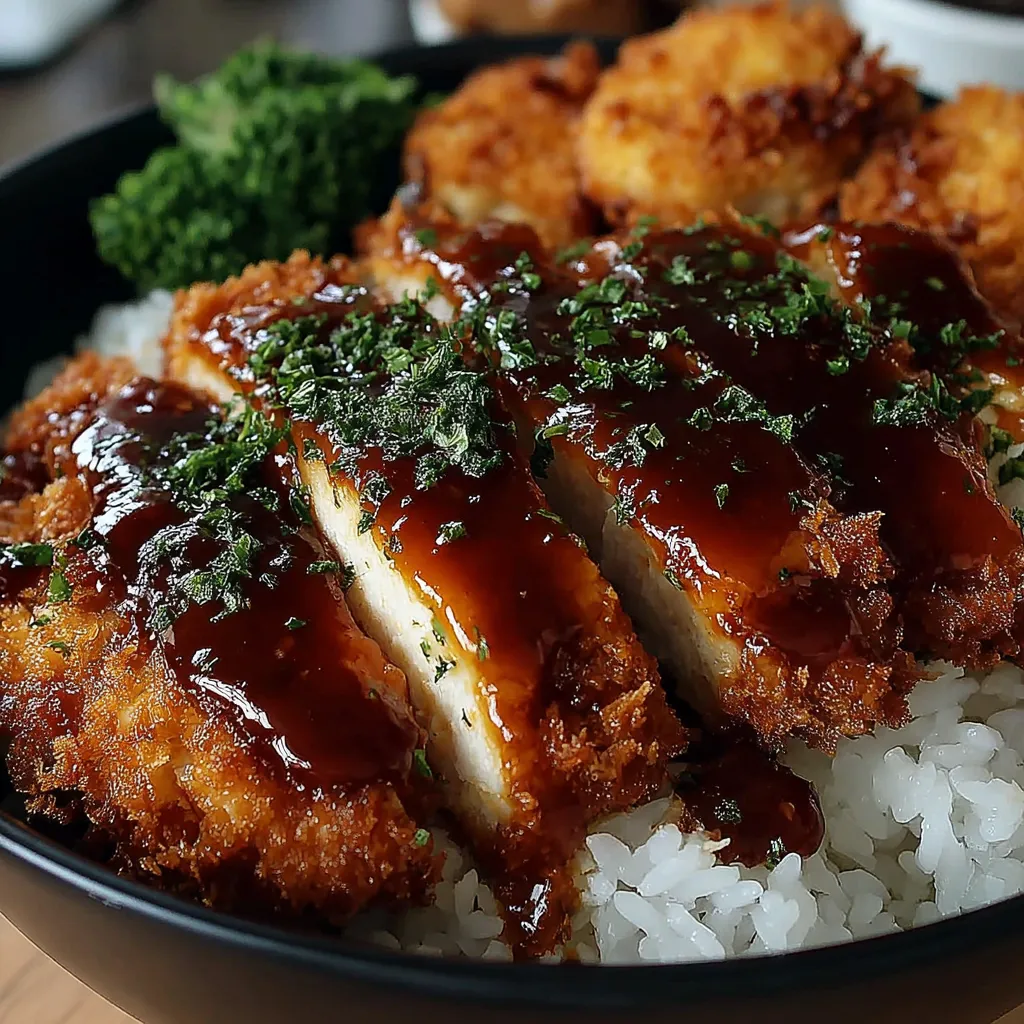
Okay, friend, before we dive into the cooking, let’s make sure you’re armed with the right ingredients. Don’t worry, it’s not as intimidating as it sounds!
Pork Loin: The Star of the Show
You’ll want boneless pork loin for this. Look for a piece that’s relatively uniform in thickness. If it’s uneven, you can gently pound it out to about 1/2-inch thick before you start. This ensures even cooking. You can also buy pre-cut pork cutlets at some grocery stores, which saves you a step!
Panko Breadcrumbs: The Secret to Crispy
Panko breadcrumbs are larger and flakier than regular breadcrumbs, which gives the katsu its signature crispy texture. You can find them in the Asian foods section of most supermarkets or at an Asian grocery store. Don’t substitute with regular breadcrumbs – it just won’t be the same!
Katsu Sauce: Homemade vs. Store-Bought
I’ve given you a fantastic homemade katsu sauce recipe, and I highly recommend trying it. It’s so easy and tastes way better than most store-bought versions. However, if you’re short on time, you can definitely use store-bought katsu sauce. Just look for a brand that you like – they can vary in sweetness and tanginess.
Mirin: That Touch of Sweetness
Mirin is a sweet rice wine that adds a subtle sweetness and depth of flavor to the sauce. You can usually find it in the Asian foods section of your grocery store. If you can’t find it, you can substitute it with a mixture of 1 tablespoon of dry sherry and 1 teaspoon of sugar.
Rice: The Perfect Base
Japanese short-grain rice is the way to go for this recipe. It’s sticky and fluffy, and it holds the sauce beautifully. Make sure to rinse the rice thoroughly before cooking it to remove excess starch. This will prevent it from becoming too gummy. If you’re feeling extra fancy, you can use a rice cooker for perfectly cooked rice every time!
Step-by-Step Instructions: From Prep to Plate
Preparing the Pork Cutlets:
- Pound the pork: Place each pork slice between two sheets of plastic wrap. Using a meat mallet or rolling pin, gently pound the pork to an even 1/2-inch thickness. This tenderizes the pork and helps it cook evenly.
- Season the pork: Season both sides of the pork slices with salt and pepper.
- Set up the breading station: Prepare three shallow dishes. In the first dish, place the flour. In the second dish, place the beaten egg. In the third dish, place the panko breadcrumbs.
- Bread the pork: Dredge each pork slice in the flour, shaking off any excess. Then, dip it in the beaten egg, making sure it’s fully coated. Finally, coat it thoroughly with the panko breadcrumbs, pressing gently to help them adhere.
Making the Katsu Sauce:
- Combine ingredients: In a small bowl, whisk together the ketchup, Worcestershire sauce, oyster sauce (if using), soy sauce, sugar, and Dijon mustard until well combined. Taste and adjust seasonings as needed. If you like it spicier, add a dash of sriracha!
Frying the Tonkatsu:
- Heat the oil: Pour about 1/2 inch of vegetable oil into a large skillet or pot. Heat the oil over medium-high heat until it reaches 350°F (175°C). If you don’t have a thermometer, you can test the oil by dropping a few panko breadcrumbs into it. If they sizzle and turn golden brown in about 15 seconds, the oil is ready.
- Fry the pork: Carefully place the breaded pork cutlets into the hot oil, making sure not to overcrowd the pan. Fry for 3-4 minutes per side, or until golden brown and cooked through. The internal temperature should reach 145°F (63°C).
- Drain the excess oil: Remove the fried pork cutlets from the skillet and place them on a wire rack lined with paper towels to drain excess oil.
- Slice the Katsu: Slice the crispy Katsu into strips about 1-inch wide.
Assembling the Katsu Bowls:
- Prepare the sauce: In a small saucepan, combine the chicken broth (or dashi), soy sauce, mirin, and sugar. Bring to a simmer over medium heat.
- Add the onions: Add the sliced onion to the simmering sauce and cook until softened, about 5 minutes.
- Pour in the eggs: Gently pour the beaten eggs over the onions in the sauce. Cook until the eggs are set but still slightly soft, about 2-3 minutes.
- Assemble the bowls: Place a generous serving of cooked rice in each bowl. Top with the egg and onion mixture, and then arrange the sliced katsu on top.
- Garnish and serve: Garnish with sliced green onions and drizzle with extra katsu sauce, if desired. Serve immediately and enjoy!
Troubleshooting Tips: Katsu Confidence Boosters
Even though this recipe is straightforward, sometimes things can go a little sideways. Don’t worry, I’ve got your back!
Katsu Not Crispy Enough?
This is usually because the oil wasn’t hot enough. Make sure your oil is at 350°F (175°C) before you start frying. Also, avoid overcrowding the pan, as this will lower the oil temperature. Fry in batches if necessary.
Panko Not Sticking?
Make sure you’re pressing the panko breadcrumbs firmly onto the pork. If the egg wash is too thin, it won’t hold the panko properly. You can add a tablespoon of water to the egg wash, but don’t add too much!
Katsu Cooking Too Fast on the Outside?
If the outside of the katsu is browning too quickly but the inside is still raw, reduce the heat to medium and continue cooking until the pork is cooked through.
Sauce Too Sweet or Salty?
Taste the katsu sauce and adjust the seasonings to your liking. If it’s too sweet, add a splash of soy sauce or Worcestershire sauce. If it’s too salty, add a pinch of sugar or a splash of rice vinegar.
Level Up Your Katsu: Creative Variations
Want to put your own spin on this classic dish? Here are a few ideas to get you started!
Spice It Up
Add a pinch of cayenne pepper to the flour mixture for a subtle kick. Or, drizzle your katsu bowl with sriracha mayo for an extra layer of flavor.
Vegetable Power
Add some steamed or sautéed vegetables to your katsu bowl for a more nutritious meal. Broccoli, carrots, and bell peppers all work well.
Cheese, Please!
Stuff the pork loin with a slice of cheese (like mozzarella or provolone) before breading it for a cheesy, melty surprise.
Katsu Curry
Serve your katsu with Japanese curry instead of the traditional katsu sauce for a hearty and flavorful twist. I’ve heard the Coconut Chicken Rice Bowl is also a great option for serving with a curry.
More Delicious Bowl Recipes to Explore!
If you’re loving the bowl concept, why not try some other delicious variations? Here are a few of my favorites:
- For a hearty and flavorful option, try the Grilled Steak Bowl.
- Looking for a lighter, Mediterranean-inspired meal? The Greek Chicken Bowls are a perfect choice.
- If you’re in the mood for something sweet and savory, give the Chicken Sweet Potato Rice Bowl a try. Or, for a BBQ twist, check out the Bbq Chicken Sweet Potato Bowl.
- Craving something with an Asian flair? The Teriyaki Ground Chicken Bowls are always a hit!
So there you have it – your guide to creating amazing Japanese Katsu Bowls at home! With a little practice and these tips, you’ll be serving up restaurant-quality katsu bowls in no time. Enjoy the process, don’t be afraid to experiment, and most importantly, have fun in the kitchen!
What makes panko breadcrumbs different from regular breadcrumbs, and why are they recommended for Katsu?
Panko breadcrumbs are larger and flakier than regular breadcrumbs, giving the katsu its signature crispy texture. Using regular breadcrumbs will not yield the same result.
If I can’t find mirin, what can I use as a substitute in the Katsu bowl recipe?
If you can’t find mirin, you can substitute it with a mixture of 1 tablespoon of dry sherry and 1 teaspoon of sugar.
What is the ideal oil temperature for frying the Tonkatsu, and how can I check if the oil is ready without a thermometer?
The ideal oil temperature for frying the Tonkatsu is 350°F (175°C). If you don’t have a thermometer, you can test the oil by dropping a few panko breadcrumbs into it. If they sizzle and turn golden brown in about 15 seconds, the oil is ready.
What are some variations I can make to the Katsu bowl to make it more interesting?
You can add a pinch of cayenne pepper to the flour for spice, incorporate steamed vegetables, stuff the pork with cheese before breading, or serve it with Japanese curry instead of katsu sauce.
Perfect Japanese Katsu Bowls

Equipment
- Meat Mallet or Rolling Pin
- Plastic Wrap
- 3 shallow dishes
- Large skillet or pot
- Thermometer (optional)
- Wire rack
- Paper towels
- Small saucepan
- Bowls
- Whisk
- Cutting board
- Knife
Ingredients
- 1 pound boneless pork loin, cut into 1/2-inch thick slices
- ½ cup all-purpose flour
- 1 large egg, beaten
- 1 cup panko breadcrumbs
- ½ teaspoon salt
- ¼ teaspoon black pepper
- Vegetable oil, for frying
- 3 tablespoons ketchup
- 2 tablespoons Worcestershire sauce
- 1 tablespoon oyster sauce
- 1 tablespoon soy sauce
- 1 teaspoon sugar
- ½ teaspoon Dijon mustard
- Cooked Japanese short-grain rice, for serving
- ½ cup chicken broth or dashi
- 2 tablespoons soy sauce
- 1 tablespoon mirin
- 1 tablespoon sugar
- ½ onion, thinly sliced
- 2 large eggs, lightly beaten
- 2 green onions, thinly sliced, for garnish
Instructions
- Place each pork slice between two sheets of plastic wrap. Using a meat mallet or rolling pin, gently pound the pork to an even 1/2-inch thickness.
- Season both sides of the pork slices with salt and pepper.
- Prepare three shallow dishes. In the first dish, place the flour. In the second dish, place the beaten egg. In the third dish, place the panko breadcrumbs.
- Dredge each pork slice in the flour, shaking off any excess. Then, dip it in the beaten egg, making sure it’s fully coated. Finally, coat it thoroughly with the panko breadcrumbs, pressing gently to help them adhere.
- In a small bowl, whisk together the ketchup, Worcestershire sauce, oyster sauce (if using), soy sauce, sugar, and Dijon mustard until well combined. Taste and adjust seasonings as needed.
- Pour about 1/2 inch of vegetable oil into a large skillet or pot. Heat the oil over medium-high heat until it reaches 350°F (175°C).
- Carefully place the breaded pork cutlets into the hot oil, making sure not to overcrowd the pan. Fry for 3-4 minutes per side, or until golden brown and cooked through. The internal temperature should reach 145°F (63°C).
- Remove the fried pork cutlets from the skillet and place them on a wire rack lined with paper towels to drain excess oil.
- Slice the crispy Katsu into strips about 1-inch wide.
- In a small saucepan, combine the chicken broth (or dashi), soy sauce, mirin, and sugar. Bring to a simmer over medium heat.
- Add the sliced onion to the simmering sauce and cook until softened, about 5 minutes.
- Gently pour the beaten eggs over the onions in the sauce. Cook until the eggs are set but still slightly soft, about 2-3 minutes.
- Place a generous serving of cooked rice in each bowl.
- Top with the egg and onion mixture, and then arrange the sliced katsu on top.
- Garnish with sliced green onions and drizzle with extra katsu sauce, if desired. Serve immediately.