The Alchemist’s Kitchen: Understanding Beef Stew Chemistry
The secret to truly exceptional Beef Stew isn’t just about following a recipe; it’s about understanding the chemical reactions that transform humble ingredients into something extraordinary. The Maillard reaction, for example, is critical. When you in a large pot, brown 1 pound of beef stew meat in a little oil until nicely seared, you’re not just adding color, you’re creating hundreds of flavor compounds. These compounds, combined with the sugars in the vegetables, build a depth of flavor that simmering alone can’t achieve. Collagen, a protein abundant in tougher cuts of beef, also plays a crucial role. Slow cooking breaks down collagen into gelatin, which enriches the stew’s texture and provides a silky mouthfeel. Then there’s the concept of flavor layering. Each ingredient should contribute its unique essence to the overall profile. Onions, carrots, and celery (mirepoix) form the foundation, while herbs and spices add complexity and warmth. Even the order in which you add ingredients matters, influencing how their flavors meld and evolve during cooking. Finally, consider the role of acidity. A touch of acidity, like the 1 can of diced tomatoes adds, brightens the flavor and balances the richness of the beef.My Perfect Bowl: Beef Stew Recipe
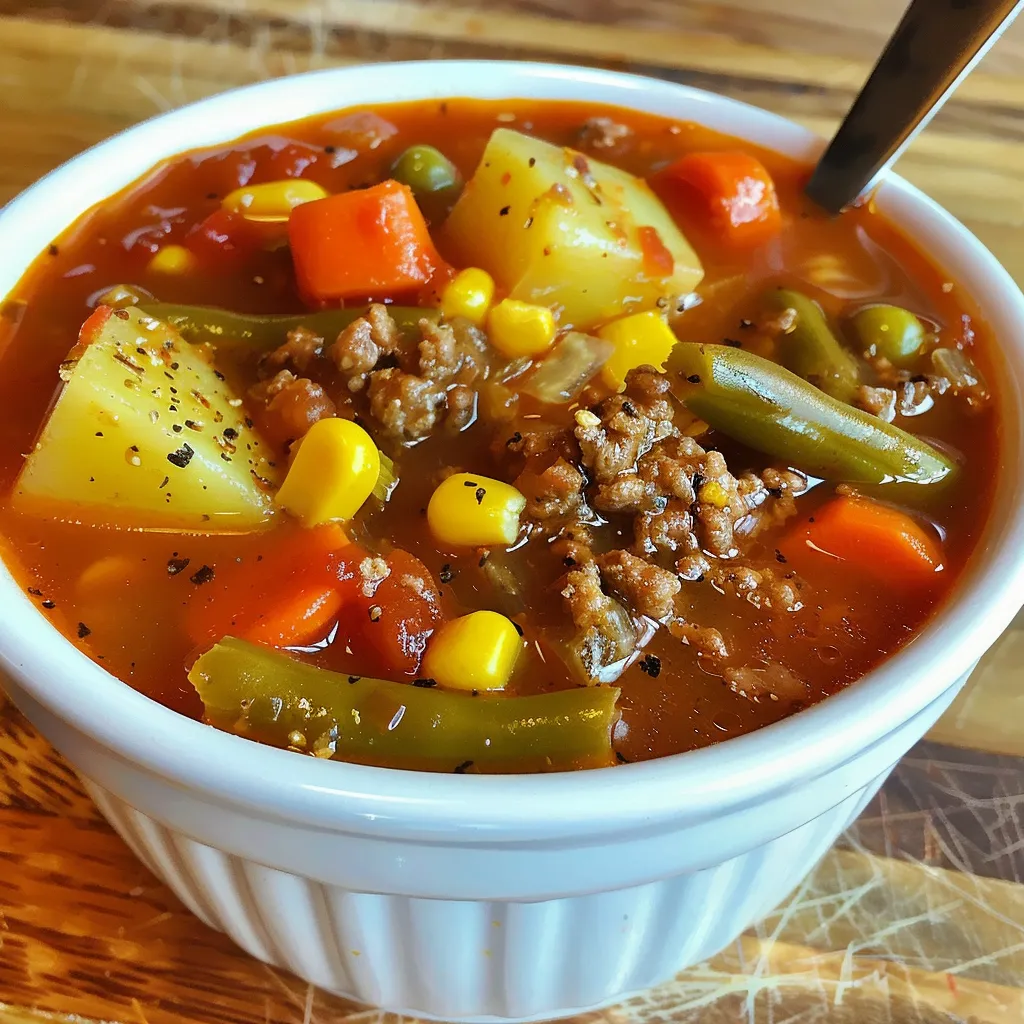 Here’s the recipe I’ve honed over the years, incorporating everything I’ve learned about the science of flavor and texture:
Ingredients:
- 1.5 lbs Beef Stew Meat, cut into 1-inch cubes
- 2 tbsp Olive Oil
- 1 large Onion, chopped
- 2 Carrots, peeled and diced
- 2 Celery Stalks, diced
- 3 cloves Garlic, minced
- 1 (14.5 oz) can Diced Tomatoes, undrained
- 6 cups Beef Broth
- 2 cups Potatoes, peeled and diced
- 1 cup Green Beans, trimmed
- 1 cup Corn, frozen or fresh
- 1 cup Lima Beans, frozen or fresh
- 1 tbsp Worcestershire Sauce
- 1 tsp Dried Thyme
- 1/2 tsp Smoked Paprika
- Salt and Black Pepper to taste
- 2 tbsp All-Purpose Flour (optional, for thickening)
- 2 tbsp Cold Water (optional, for thickening)
- Fresh Parsley, chopped (for garnish)
Instructions:
- Sear the Beef: Pat the beef cubes dry with paper towels. Season generously with salt and pepper. In a large pot or Dutch oven, heat the olive oil over medium-high heat. Working in batches, brown 1 pound of beef stew meat in a little oil until nicely seared on all sides. Remove the beef from the pot and set aside.
- Sauté Aromatics: Add the 1 chopped onion, 2 diced carrots, 2 celery stalks to the pot and cook until softened, about 5-7 minutes. Add the 3 cloves of garlic and cook for another minute until fragrant.
- Build the Broth: Stir in the 1 can of diced tomatoes, scraping up any browned bits from the bottom of the pot. Pour in the 6 cups beef broth and add the Worcestershire sauce, dried thyme, and a pinch of smoked paprika for depth.
- Combine and Simmer: Return the seared beef to the pot. Bring the mixture to a boil, then reduce the heat to low, cover, and simmer for 1–1½ hours until beef is tender.
- Add Vegetables: Add the 2 cups diced potatoes, 1 cup green beans, 1 cup corn, and 1 cup lima beans to the stew. Season with salt, black pepper, and continue to simmer for another 30-45 minutes, or until the vegetables are tender.
- Thicken (Optional): If you prefer a thicker stew, whisk together the flour and cold water in a small bowl to create a slurry. Gradually stir the slurry into the stew and simmer for 5-10 minutes, or until the stew has thickened to your desired consistency.
- Serve: Taste and adjust seasonings as needed. Garnish with fresh parsley and serve hot with cornbread for a true Southern touch.
My Beef Stew Odyssey: From Disaster to Deliciousness
The Early Years: A Soupy Mess
My first few attempts at Beef Stew were a disaster. Seriously. I’d throw everything into a pot, simmer it for hours, and end up with a watery, flavorless soup. The beef was often tough, the vegetables were mushy, and the overall experience was incredibly underwhelming. Like many of you, I initially thought it was just a matter of following the instructions on the back of a beef stew seasoning packet. But I was so very wrong. There was no depth. Everything tasted the same, and I was just not having a good experience.The Searing Revelation
Then, I had an “Aha!” moment after reading a food science article about the Maillard reaction. The importance of searing the beef before simmering finally clicked. I realized that browning the meat wasn’t just for aesthetics; it was crucial for developing those rich, complex flavors that make a stew truly memorable. I’ve also experimented with various cuts of beef, and I have found that chuck roast, cut into 1 inch cubes, works best.The Mirepoix Miracle
Next, I tackled the issue of blandness. My early stews lacked depth and complexity. The solution? Mirepoix – the classic combination of onions, carrots, and celery. Sautéing these vegetables before adding the broth created a flavorful foundation upon which to build the rest of the stew. In a large pot, the mirepoix is a game changer.The Acid Test: Tomatoes to the Rescue
One crucial element I was missing was acidity. The stew tasted flat and one-dimensional. Adding a can of diced tomatoes brightened the flavors and balanced the richness of the beef. It was a revelation.The Thickening Conundrum
For years, I struggled with achieving the perfect stew consistency. Some attempts were too watery, while others were gluey and unpleasant. I discovered that the key was to use a cornstarch slurry or a roux to thicken the stew gradually, rather than adding flour directly to the pot. This prevents lumps and allows you to control the thickness to your liking.The Vegetable Balancing Act
I also experimented with different vegetables and cooking times. I learned that adding the potatoes and carrots earlier in the simmering process ensures they become tender and flavorful, while adding the green beans, corn, and lima beans later prevents them from becoming mushy.The Foolproof Method: A Beef Stew Masterclass
Here’s the method I’ve developed, guaranteed to deliver perfect Beef Stew every time:- Sear the Beef Properly: Pat the beef dry, season generously, and sear in batches until deeply browned on all sides. Don’t overcrowd the pot.
- Build a Flavorful Base: Sauté onions, carrots, and celery until softened, then add garlic and cook until fragrant. This is your flavor foundation.
- Deglaze the Pot: Use beef broth or red wine to deglaze the pot, scraping up any browned bits from the bottom. This adds depth and richness to the stew.
- Simmer Low and Slow: Simmer the beef in broth with aromatics and herbs for at least 1.5-2 hours, or until it’s fork-tender. This allows the collagen to break down and the flavors to meld.
- Add Vegetables in Stages: Add root vegetables (potatoes, carrots) earlier and quicker-cooking vegetables (green beans, corn, peas) later to prevent them from becoming mushy.
- Thicken Gradually: Use a cornstarch slurry or a roux to thicken the stew gradually, stirring constantly to prevent lumps.
- Season to Perfection: Taste and adjust seasonings as needed. Don’t be afraid to add salt, pepper, herbs, or a touch of acidity to balance the flavors.
- Rest Before Serving: Allow the stew to rest for at least 30 minutes before serving. This allows the flavors to meld and deepen even further.
Why is it important to sear the beef before simmering it in the stew?
Searing the beef creates the Maillard reaction, which develops hundreds of rich, complex flavor compounds that make the stew truly memorable.
What is mirepoix, and why is it important in beef stew?
Mirepoix is the classic combination of onions, carrots, and celery. Sautéing these vegetables before adding the broth creates a flavorful foundation upon which to build the rest of the stew, adding depth and complexity.
How do you prevent the vegetables in the stew from becoming mushy?
Add root vegetables like potatoes and carrots earlier in the simmering process, and add quicker-cooking vegetables like green beans, corn, and lima beans later.
What is the best way to thicken beef stew without creating lumps?
Use a cornstarch slurry or a roux to thicken the stew gradually, stirring constantly to prevent lumps. This allows you to control the thickness to your liking.

Perfect Homemade Beef Stew

This hearty beef stew is a classic comfort food, perfect for a chilly evening. The key to its rich flavor lies in searing the beef and building a flavorful base with aromatics before slow simmering until tender perfection.
Equipment
- Large pot or Dutch oven
- Cutting board
- Knife
- Measuring cups
- Measuring spoons
- Paper towels
- Spoon
- Small Bowl (optional, for slurry)
- Whisk (optional, for slurry)
Ingredients
- 1.5 lbs Beef Stew Meat, cut into 1-inch cubes
- 2 tbsp Olive Oil
- 1 large Onion, chopped
- 2 Carrots, peeled and diced
- 2 Celery Stalks, diced
- 3 cloves Garlic, minced
- 6 cups Beef Broth
- 2 cups Potatoes, peeled and diced
- 1 cup Green Beans, trimmed
- 1 cup Corn, frozen or fresh
- 1 cup Lima Beans, frozen or fresh
- 1 tbsp Worcestershire Sauce
- 1 tsp Dried Thyme
- ½ tsp Smoked Paprika
- Salt to taste
- Black Pepper to taste
- 2 tbsp All-Purpose Flour optional, for thickening
- 2 tbsp Cold Water optional, for thickening
- Fresh Parsley, chopped for garnish
Instructions
- Pat the beef cubes dry with paper towels. Season generously with salt and pepper.
- In a large pot or Dutch oven, heat the olive oil over medium-high heat.
- Working in batches, brown the beef cubes on all sides. Remove the beef from the pot and set aside.
- Add the chopped onion, diced carrots, and diced celery to the pot and cook until softened, about 5-7 minutes.
- Add the minced garlic and cook for another minute until fragrant.
- Stir in the can of diced tomatoes, scraping up any browned bits from the bottom of the pot.
- Pour in the beef broth and add the Worcestershire sauce, dried thyme, and smoked paprika.
- Return the seared beef to the pot. Bring the mixture to a boil, then reduce the heat to low, cover, and simmer for 1–1½ hours until beef is tender.
- Add the diced potatoes, green beans, corn, and lima beans to the stew. Season with salt and black pepper, and continue to simmer for another 30-45 minutes, or until the vegetables are tender.
- If you prefer a thicker stew, whisk together the flour and cold water in a small bowl to create a slurry. Gradually stir the slurry into the stew and simmer for 5-10 minutes, or until the stew has thickened to your desired consistency.
- Taste and adjust seasonings as needed. Garnish with fresh parsley and serve hot.
Notes
For richer flavor, use chuck roast cut into 1-inch cubes. Sear the beef in batches to ensure proper browning. Deglaze the pot with a splash of red wine after searing the beef for added depth. Store leftovers in an airtight container in the refrigerator for up to 3 days. Serve with cornbread or crusty bread for a complete meal.