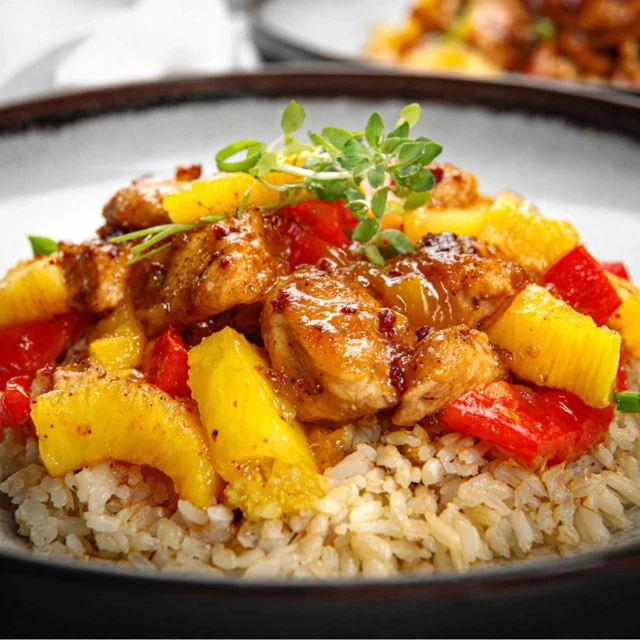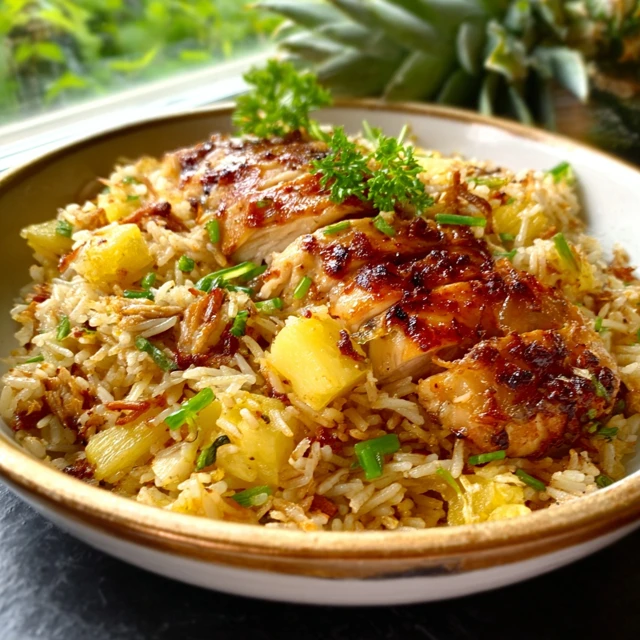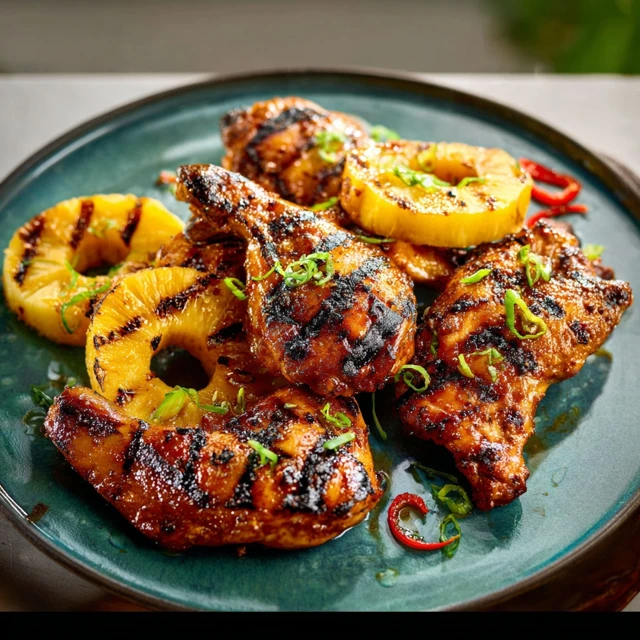
Basting the chicken one last time, you watch the pineapple-kissed glaze bubble and char over the hot grates, releasing a sweet, smoky perfume that instantly transports you to a sun-drenched lanai. This isn’t just grilled chicken; it’s a moment, a mini-vacation on a plate, born from the roadside stands of Hawaii where the command to “huli” – or turn – created a legend.
What we’re making today is the ultimate version of that experience, a recipe that delivers impossibly juicy chicken with a sticky, caramelized crust that crackles ever so slightly with each bite. The balance of tangy pineapple, savory soy sauce, and warm ginger is pure alchemy, creating a flavor so addictive you’ll be dreaming about it long after the last piece is gone.
The Huli Huli Chicken Difference
- Double-Duty Marinade: The magic here is efficiency! The marinade you use to tenderize and flavor the chicken is then boiled down to become a thick, syrupy glaze. This concentrates the flavor and ensures every single drop of deliciousness is used.
- Perfect Flavor Balance: This recipe nails the trifecta of sweet, savory, and tangy. The pineapple juice and brown sugar provide sweetness, the soy sauce brings deep umami, and the ketchup and ginger add a complex tang and warmth that cuts through the richness.
- Unforgettable Char: By grilling the chicken first and only basting with the thickened glaze near the end, we achieve a perfect cook. The chicken gets cooked through without the sugary glaze burning, allowing you to build up those beautiful, caramelized, slightly charred bits that make Huli Huli Chicken so iconic.
The Building Blocks
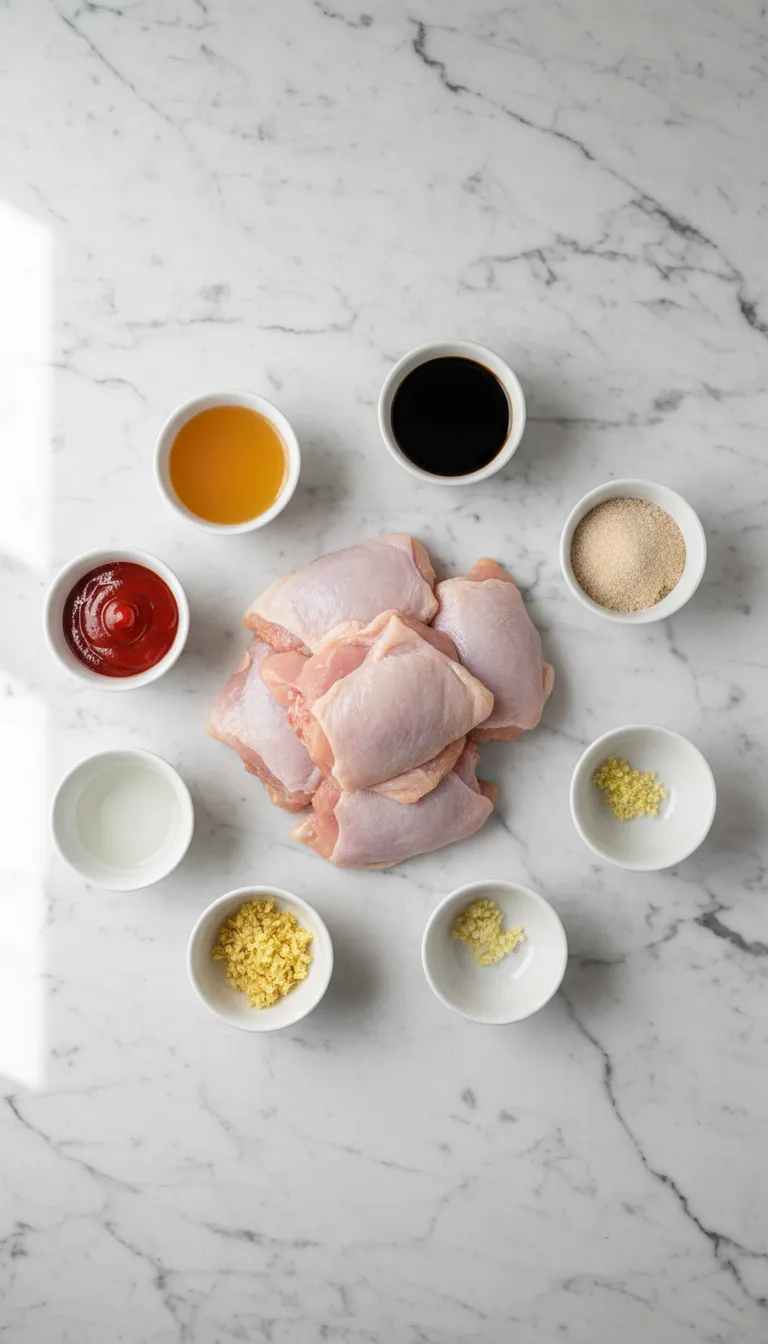
The secret to incredible Huli Huli Chicken lies in a marinade that hits all the right notes. Using quality, fresh ingredients will make a world of difference, turning a good dish into a spectacular one. Think of this as your flavor foundation.
- Boneless, Skinless Chicken Thighs: (The key to juicy results! Thighs are more forgiving on the grill than breasts and stay incredibly moist).
- Pineapple Juice: (This is non-negotiable! It provides the signature sweetness and contains enzymes that help tenderize the chicken).
- Soy Sauce: (The savory, umami backbone of the marinade. Use a low-sodium version if you prefer to control the salt level).
- Brown Sugar: (Crucial for creating that sticky, caramelized glaze. It helps the sauce thicken and cling to the chicken).
- Ketchup: (Adds a subtle tang, a touch of sweetness, and helps give the glaze its beautiful reddish-brown color).
- Fresh Ginger: (Provides a warm, zesty spice that cuts through the sweetness. Please use fresh; the powdered kind just isn’t the same).
- Fresh Garlic: (The aromatic partner to ginger, adding a pungent, savory depth that is absolutely essential).
- Rice Vinegar: (A splash of acidity to brighten everything up and balance the sweet and salty flavors).
- Sesame Oil: (Just a little bit adds a wonderful, nutty aroma and flavor that complements the other ingredients perfectly).
- Cornstarch: (Our secret weapon for transforming the thin marinade into a thick, glossy glaze that coats every inch of the chicken).
Swaps & Alternatives
Don’t have everything on hand? No problem at all! A great recipe is a flexible one. Here are a few simple swaps you can make in a pinch.
- Chicken: While thighs are my top pick, boneless, skinless chicken breasts will work. Just be careful not to overcook them. You can also use bone-in, skin-on chicken pieces; just adjust the grilling time accordingly.
- Soy Sauce: For a gluten-free option, use tamari or coconut aminos. They provide a similar savory depth.
- Brown Sugar: You can substitute with an equal amount of honey or maple syrup for a slightly different, but still delicious, sweetness.
- Rice Vinegar: Apple cider vinegar is a great substitute if you don’t have rice vinegar.
- Fresh Aromatics: If you’re truly in a bind, you can use 1 teaspoon of ground ginger and 1.5 teaspoons of garlic powder, but the flavor of fresh is truly superior.
Flavor Boosts
Ready to take this tropical masterpiece to the next level? These simple additions can add new layers of complexity and make the recipe uniquely yours. It’s all about having fun in the kitchen!
- Add a Little Heat: A teaspoon or two of sriracha, a pinch of red pepper flakes, or a dash of your favorite chili garlic sauce mixed into the marinade will add a lovely kick of heat to balance the sweetness.
- Introduce Smoky Notes: Add half a teaspoon of smoked paprika to the marinade. This will enhance the smoky flavor from the grill and give the chicken a beautiful, deep color.
- Go for Extra Tropical Flavor: A quarter cup of coconut milk (full-fat) added to the marinade can lend a creamy, rich undertone that pairs beautifully with the pineapple.
- Garnish with Gusto: Finish the grilled chicken with a sprinkle of toasted sesame seeds, thinly sliced green onions, or chopped fresh cilantro. This adds a final burst of freshness and texture.
Let’s Get Cooking
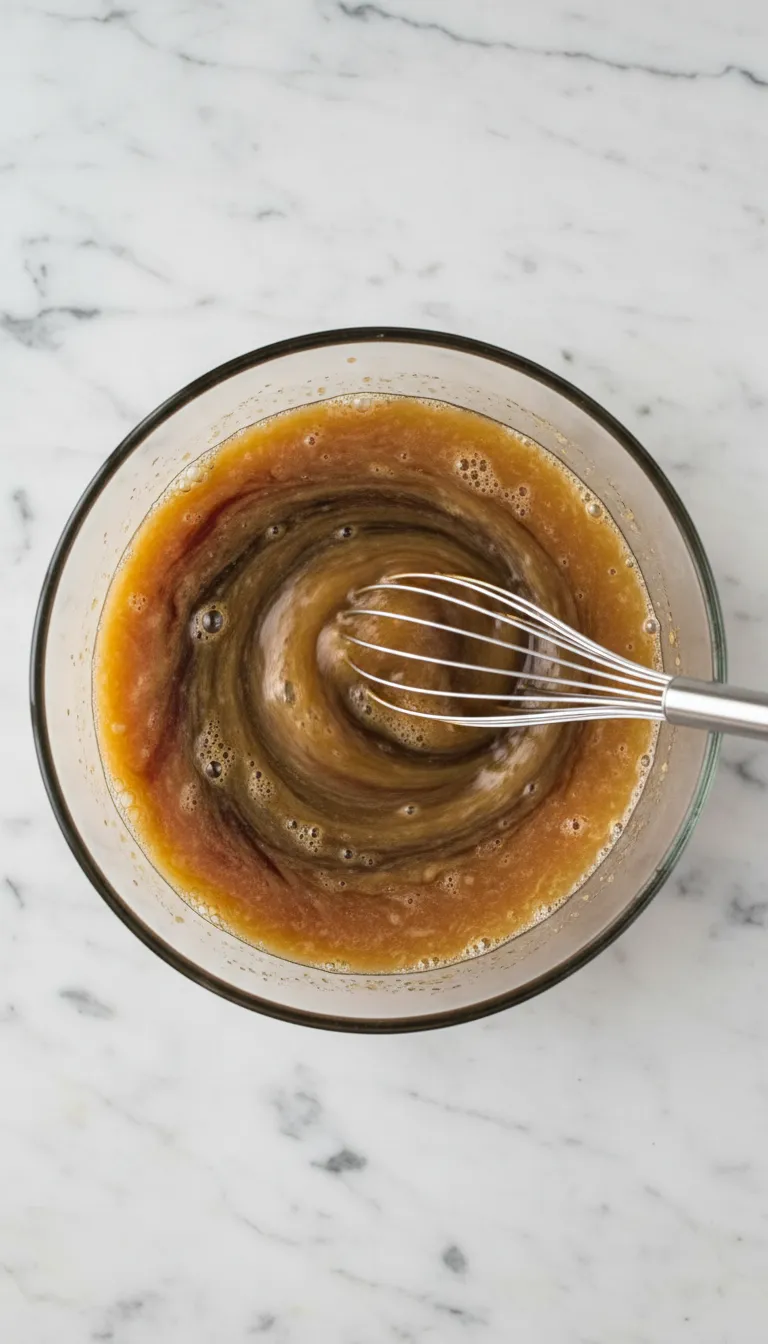
This process is all about layering flavors, first with a good long soak in the marinade, and then by building that irresistible glaze on the grill. We’ll take it step-by-step, and I promise the results will be worth it.
1. Mix the Magical Marinade
In a medium bowl, whisk together the pineapple juice, soy sauce, brown sugar, ketchup, minced ginger, minced garlic, rice vinegar, and sesame oil. Mix until the brown sugar has completely dissolved. This vibrant mixture is the heart and soul of our dish.
Pour about two-thirds of this marinade into a large resealable plastic bag or a shallow dish. Reserve the remaining one-third of the marinade in a small saucepan for later—this will become our glaze.
2. Marinate the Chicken
Add the chicken thighs to the bag or dish with the marinade. Make sure every piece is well-coated, pressing out as much air as possible if using a bag. Place it in the refrigerator to marinate for at least 4 hours, but for the best, most deeply infused flavor, let it go for 8 hours or even overnight. This is where the magic really begins to happen.
3. Prepare the Signature Glaze
About 30 minutes before you’re ready to grill, take the chicken out of the fridge to let it come to room temperature. Now, let’s turn our reserved marinade into that thick, glossy glaze. Add the cornstarch to the small saucepan with the marinade and whisk until it’s completely smooth and free of lumps.
Bring the mixture to a simmer over medium heat, stirring constantly. Let it bubble gently for 2-3 minutes, until it has thickened enough to coat the back of a spoon. It should look like a beautiful, syrupy BBQ sauce. Remove it from the heat and set it aside. This is the liquid gold we’ll be basting with. If you love pineapple-based sauces, you’ll also adore this Brown Sugar Pineapple Chicken.
4. Grill to Perfection
Preheat your grill to medium-high heat, around 400-450°F (200-230°C). Clean the grates well and lightly oil them to prevent sticking. Remove the chicken from the marinade, letting any excess drip off. Discard the used marinade.
Place the chicken thighs on the hot grill. Cook for about 5-7 minutes per side, depending on their thickness. We’re looking for nice grill marks and for the chicken to be cooked almost all the way through. The internal temperature should be around 160°F at this stage. The technique is similar to what makes these Grilled Ranch Garlic Parmesan Chicken Skewers Bbq so fantastic.
5. Baste, Turn, and Finish
Now for the fun part! During the last few minutes of cooking, start basting the chicken generously with the thickened glaze. Flip the chicken, baste the other side, and continue to flip and baste every minute or so. This is the “huli huli” (turn, turn) part!
This process allows the glaze to caramelize and build up a sticky, slightly charred crust without burning. Continue until the chicken is cooked through to an internal temperature of 165°F (74°C) and has a beautiful, lacquered finish. If you’re a fan of easy, flavorful chicken dinners, you might also enjoy this one-pan Sticky Honey Bbq Chicken And Rice Skillet.
6. Rest and Serve
Remove the chicken from the grill and transfer it to a cutting board. Let it rest for 5-10 minutes before slicing or serving. This crucial step allows the juices to redistribute throughout the meat, ensuring every bite is succulent and tender. Don’t skip it!
Avoid These Pitfalls
- Skimping on Marinade Time: Rushing the marination process is the number one mistake. The chicken needs at least 4 hours for the flavors to penetrate and for the pineapple juice to work its tenderizing magic. Overnight is even better!
- Basting Too Early: The glaze is full of sugar, which will burn quickly over high heat. If you baste the chicken from the very beginning, you’ll end up with a burnt, bitter exterior before the inside is even cooked. Wait until the last 5-6 minutes of grilling to apply the glaze.
- Skipping the Rest: I know it’s tempting to dive right in, but slicing into the chicken immediately after it comes off the grill will cause all those delicious juices to run out onto the cutting board. A 5-10 minute rest is essential for juicy, flavorful chicken.
Complete the Menu
This Huli Huli Chicken is the star of the show, but the right supporting cast can turn it into an unforgettable feast. Think of bright, fresh flavors that complement the sweet and savory chicken.
A scoop of classic Hawaiian macaroni salad is almost mandatory. Its creamy, tangy profile is the perfect counterpoint to the chicken. For another starchy side, fluffy coconut rice is a fantastic choice, as its subtle sweetness echoes the tropical notes in the glaze.
To add some freshness and color, throw some pineapple rings and sliced red bell peppers on the grill alongside the chicken. The heat caramelizes their natural sugars and makes them incredibly delicious. A simple green salad with a light vinaigrette also works beautifully to cut through the richness. For those who love set-it-and-forget-it meals with a similar flavor profile, this Hawaiian Crockpot Chicken or the classic Crockpot Teriyaki Chicken are fantastic alternatives. And if you’re looking for a super simple weeknight meal, the Hawaiian Chicken Sheet Pan is a lifesaver.
If you tried this recipe and loved it, please leave a 5-star rating below. It helps us so much
What makes Huli Huli chicken different from other grilled chicken recipes?
The key differences are its unique flavor profile and cooking method. The marinade doubles as a glaze by being boiled down, concentrating its sweet, savory, and tangy flavors from pineapple juice, soy sauce, and ginger. Additionally, the glaze is applied only at the end of grilling, which creates a perfect caramelized char without burning the chicken.
Can I use chicken breasts instead of thighs for this recipe?
Yes, you can use boneless, skinless chicken breasts as an alternative to thighs. However, the article recommends being careful not to overcook them, as thighs are naturally more forgiving and stay juicier on the grill.
Why should I wait until the end of cooking to baste the chicken with the glaze?
You should wait to apply the glaze because it contains a high amount of sugar from the brown sugar and pineapple juice. If you baste the chicken too early, the sugar will burn over the grill’s high heat, resulting in a bitter, burnt exterior before the chicken is fully cooked on the inside. Applying it in the last few minutes allows it to caramelize perfectly.

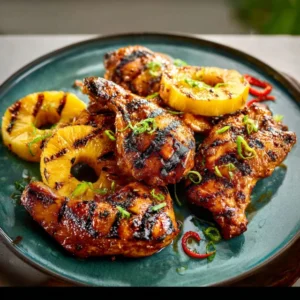
Huli Huli Chicken: A Tropical Masterpiece

Equipment
- Grill
- Medium bowl
- Whisk
- Small saucepan
- Large resealable plastic bag or shallow dish
- Basting brush
- Instant-Read Meat Thermometer
- Measuring cups and spoons
- Cutting board
- Knife
Ingredients
- 2 lbs boneless, skinless chicken thighs about 8 thighs
- 1 cup unsweetened pineapple juice
- ½ cup low-sodium soy sauce
- ½ cup packed brown sugar
- ½ cup ketchup
- ¼ cup rice vinegar
- 1 tablespoon fresh ginger, minced
- 3 cloves garlic, minced
- 1 teaspoon toasted sesame oil
- 1 tablespoon cornstarch
- 1 tablespoon vegetable oil for grill grates
- Sliced green onions, for garnish
- Toasted sesame seeds, for garnish
Instructions
- In a medium bowl, whisk together the pineapple juice, soy sauce, brown sugar, ketchup, minced ginger, minced garlic, rice vinegar, and sesame oil until the sugar is dissolved.
- Reserve approximately one-third of the marinade (about 1 cup) in a small saucepan for the glaze. Pour the remaining two-thirds into a large resealable plastic bag or shallow dish.
- Add the chicken thighs to the bag with the marinade, ensuring all pieces are well-coated. Seal the bag, pressing out excess air, and refrigerate for at least 4 hours, or preferably overnight for maximum flavor.
- About 30 minutes before grilling, remove the chicken from the refrigerator. To prepare the glaze, whisk the cornstarch into the reserved marinade in the saucepan until smooth.
- Bring the glaze mixture to a simmer over medium heat, stirring constantly. Cook for 2-3 minutes until it thickens to a syrupy, BBQ-sauce-like consistency. Remove from heat and set aside.
- Preheat your grill to medium-high heat (400-450°F / 200-230°C). Clean and lightly oil the grill grates.
- Remove chicken from the marinade, allowing excess to drip off. Discard the used marinade. Place the chicken on the hot grill and cook for 5-7 minutes per side, until nearly cooked through (internal temperature around 160°F).
- During the final 4-5 minutes of cooking, generously baste the chicken with the thickened glaze. Flip every 60 seconds, basting each side after turning, to build a caramelized crust without burning.
- Continue cooking until the chicken is beautifully lacquered and the internal temperature reaches 165°F (74°C).
- Transfer the chicken to a cutting board and let it rest for 5-10 minutes. This allows the juices to redistribute, ensuring a tender result. Garnish with sliced green onions and toasted sesame seeds before serving.