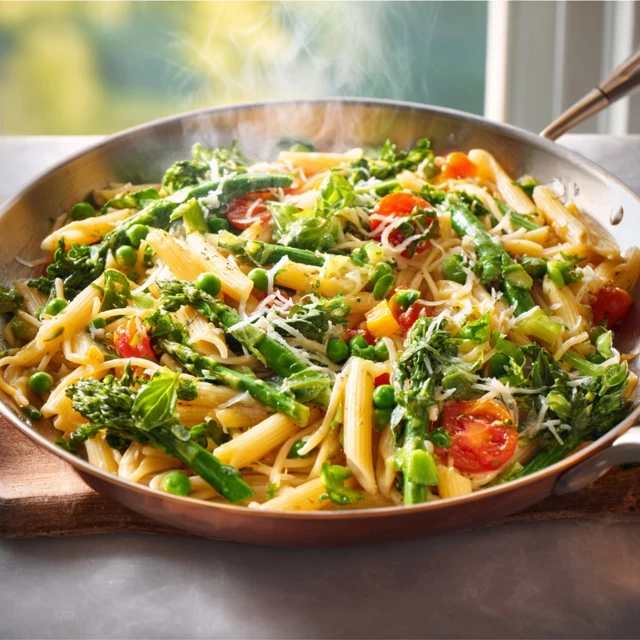
Cooking should feel like a celebration, not a chore, and this one-pot wonder is pure joy in a bowl. It’s the culinary equivalent of throwing open the windows on the first warm day of spring, letting all the fresh air and sunshine pour in. We’re ditching the mountain of dirty dishes—the colander, the multiple pots, the sauté pan—for one single, glorious vessel where magic happens. The pasta cooks right alongside the vegetables, absorbing every bit of the fragrant, savory broth, creating its own creamy sauce without a single drop of heavy cream.
This is your new weeknight hero, a vibrant tangle of perfectly al dente pasta, crisp-tender spring vegetables, and a light, luscious sauce that clings to every noodle. It’s a dish that looks like it took hours but comes together in under 30 minutes, delivering a restaurant-quality meal that’s as nourishing as it is beautiful. Get ready to fall in love with the smartest, most delicious way to eat your veggies.
The One-Pot Pasta Primavera Difference
- Starchy Sauce Perfection: By cooking the pasta directly in the broth, the starches release and emulsify with the liquid, creating a naturally creamy, silky sauce. This technique is what makes so many one-pot pasta recipes, like this one, so incredibly satisfying.
- Layered Flavor Infusion: Every ingredient cooks in the same pot, meaning no flavor is lost. The vegetables infuse the broth, which then gets absorbed by the pasta, resulting in a dish where every single bite is packed with deeply layered, harmonious flavor.
- Effortless Efficiency: This recipe is the definition of a 30 minute meal. It streamlines the entire cooking process, minimizes cleanup, and uses a clever technique of adding vegetables in stages to ensure each one is cooked to crisp-tender perfection.
The Building Blocks
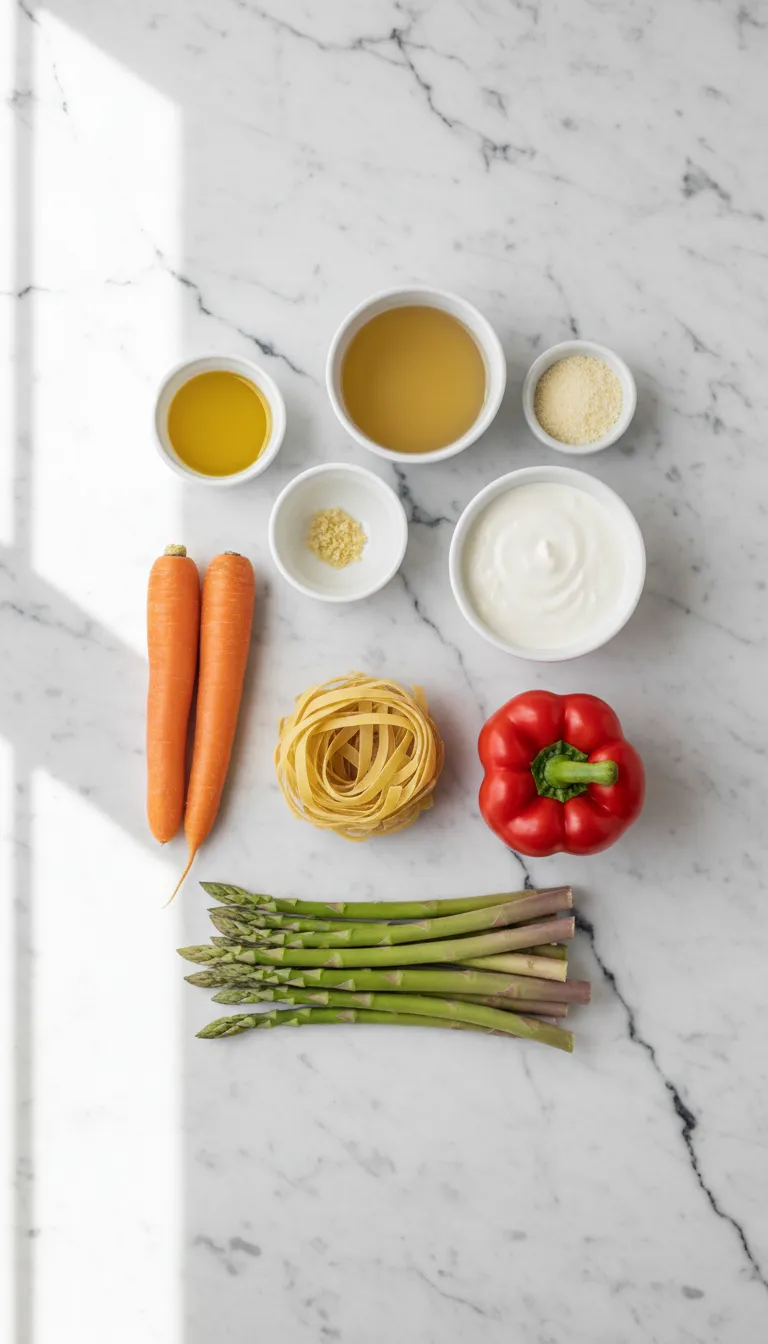
- Olive Oil: The foundation of our flavor. Use a good quality extra-virgin olive oil for the best taste.
- Garlic: Finely minced. Because is it even a pasta dish without a generous amount of fragrant garlic?
- Vegetable Broth: (Crucial for flavor) This is the primary cooking liquid. A low-sodium, high-quality broth allows you to control the saltiness and provides a savory backbone.
- Fettuccine or Linguine: (The best shape for this sauce) Long pasta shapes work beautifully here, as the creamy sauce coats every strand perfectly. You can use another shape, but adjust cooking time accordingly.
- Asparagus: Trimmed and cut into 1-inch pieces. Look for stalks that are firm and bright green.
- Broccoli Florets: Cut into small, bite-sized pieces so they cook quickly and evenly. This is a classic primavera vegetable for a reason. If you love broccoli, you should also try this simple Broccoli Pasta.
- Carrots: Julienned or thinly sliced. They add a lovely sweetness and a pop of color.
- Red Bell Pepper: Thinly sliced. It adds a sweet, almost fruity note that balances the earthier vegetables.
- Frozen Peas: (For ease and sweetness) No need to thaw! They get tossed in at the very end and cook in seconds, adding a burst of sweet freshness.
- Heavy Cream or Half-and-Half: Just a splash at the end adds a luxurious richness and helps bind the sauce. For a lighter version, you can use whole milk.
- Grated Parmesan Cheese: (The essential finisher) Please, use a freshly grated block of Parmesan. It melts beautifully and has a nutty, salty flavor that pre-shredded cheese just can’t match.
- Lemon Juice: (For brightness) A squeeze of fresh lemon juice at the end cuts through the richness and makes all the vegetable flavors pop.
- Fresh Parsley & Basil: Chopped. Fresh herbs are non-negotiable for that final burst of garden-fresh flavor.
- Salt and Black Pepper: To taste. Remember to season as you go.
Swaps & Alternatives
Don’t have everything on the list? No problem. This vegetarian dinner is incredibly flexible.- Vegetable Variations: Feel free to swap in other quick-cooking vegetables like zucchini, yellow squash, snap peas, or cherry tomatoes (halved and added at the end). For a heartier feel, sautéed mushrooms are a fantastic addition, similar to what you’d find in a Spinach Mushroom Pasta.
- Make it Vegan: Use a plant-based cream (like cashew or oat cream) and a vegan Parmesan alternative. Ensure your vegetable broth is certified vegan.
- Add Protein: For a non-vegetarian version, you can add cooked, shredded chicken, shrimp, or chickpeas at the end. This turns it into a complete meal, much like a Chicken And Vegetables Skillet, but with pasta.
- Gluten-Free Pasta: You can use your favorite gluten-free fettuccine or linguine. Be aware that GF pastas can sometimes require a bit more liquid, so have extra broth on hand.
- Spice it Up: A pinch of red pepper flakes added with the garlic will give the dish a gentle, warming heat.
Flavor Boosts
Ready to take this simple dish from great to absolutely unforgettable? These little touches make a huge difference and turn a simple weeknight dinner into a gourmet experience.First, consider browning some butter. Before you add the garlic, melt a few tablespoons of butter and let it cook until it foams and golden-brown specks appear. This nutty, rich aroma will add incredible depth to the entire dish.
Next, don’t underestimate the power of a flavor-packed base. Instead of just garlic, try adding a finely chopped shallot. Shallots have a milder, sweeter flavor than onions and add a layer of sophisticated aromatic complexity.
Finally, a sprinkle of high-quality finishing salt, like Maldon sea salt flakes, and a drizzle of your best olive oil just before serving can elevate the texture and taste. The crunchy salt and fruity oil will make every single fresh vegetable shine. This focus on a flavorful base is key in many great pasta recipes, including this incredible Roasted Red Pepper Pasta.
Let’s Get Cooking
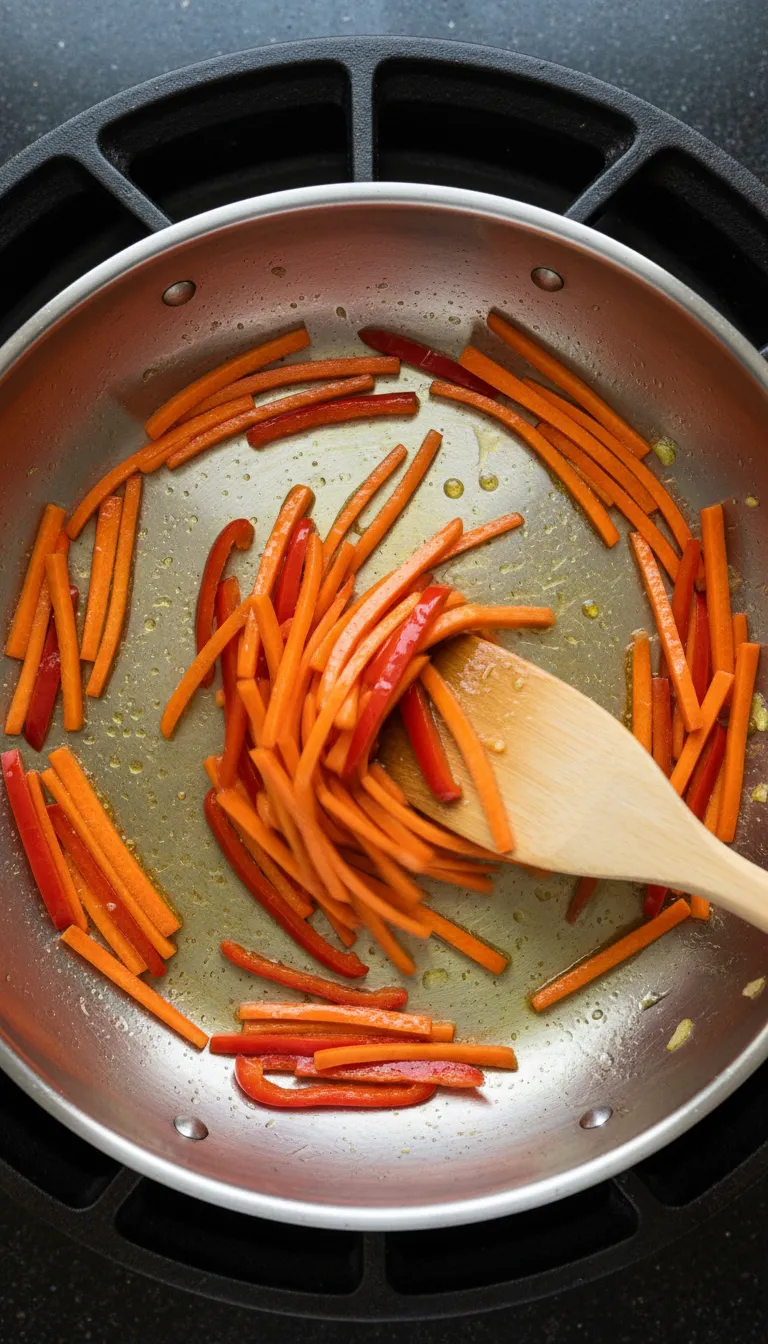
1. Sauté the Aromatics and Hardy Veggies
In a large Dutch oven or a wide, deep skillet with a lid, heat the olive oil over medium heat. Add the minced garlic and cook for about 30-60 seconds, stirring constantly, until it’s fragrant. Be very careful not to let it burn, or it will become bitter.Immediately add the carrots and red bell pepper. Sauté for 2-3 minutes until they begin to soften just slightly. This step gives the heartier vegetables a head start and builds the first layer of flavor in your pot.
2. Build the Sauce and Add the Pasta
Pour in the vegetable broth and bring it to a gentle simmer. Season generously with salt and pepper. Once simmering, add the dry fettuccine to the pot. Arrange the pasta in a single layer as best you can, gently pressing it down to submerge it in the liquid.Let the pasta cook for about 5 minutes, stirring occasionally with tongs to prevent it from sticking together. The broth will begin to look a little cloudy and thicker as the pasta releases its starches—this is exactly what you want!
3. Add the Quicker-Cooking Vegetables
Now, it’s time to add the asparagus and broccoli florets. Scatter them over the top of the pasta. Place the lid on the pot, reduce the heat to medium-low, and let everything cook together for another 4-5 minutes.This step effectively steams the vegetables while the pasta finishes cooking. The enclosed space traps the heat and moisture, ensuring the broccoli and asparagus become perfectly crisp-tender without turning mushy.
4. Finish with Creaminess and Freshness
Remove the pot from the heat. The pasta should be al dente and most of the liquid should be absorbed, leaving behind a light, starchy sauce. If it looks too dry, add a small splash of extra broth.Stir in the frozen peas, heavy cream, and grated Parmesan cheese. The residual heat will cook the peas in an instant and melt the cheese into a luscious, creamy sauce. This final step is what makes so many one-pot pasta recipes, like the beloved Creamy Garlic Pasta, so irresistible.
5. The Final Touches
Finally, stir in the fresh lemon juice and the chopped parsley and basil. Give everything one last gentle toss to combine. Taste the sauce and adjust the seasoning with more salt, pepper, or a squeeze of lemon if needed. The lemon is key to making this a truly vibrant example of classic spring recipes.Avoid These Pitfalls
- Overcooking the Vegetables: The biggest mistake is adding all the vegetables at once. This results in mushy asparagus and broccoli. Following the staged cooking process is crucial for that perfect crisp-tender texture.
- Using a Pot That’s Too Small: You need enough surface area for the pasta to cook evenly without clumping. A wide skillet or a Dutch oven is ideal. A tall, narrow stockpot will cause the pasta to stick and cook unevenly.
- Forgetting to Stir: Especially in the first few minutes after adding the pasta, you must stir with tongs. This separates the strands and prevents them from fusing into one giant noodle. Don’t just walk away!
Perfect Pairings
This one-pot pasta primavera is a fantastic healthy dinner all on its own, a complete meal packed with carbs and a rainbow of vegetables. It truly doesn’t need much else to feel satisfying and special.However, if you want to round out the meal, a simple side of crusty garlic bread is always a winner for sopping up any leftover creamy sauce. A light, crisp green salad with a simple vinaigrette would also be a wonderful, fresh counterpoint to the richness of the pasta.
For a wine pairing, you can’t go wrong with a crisp and zesty Sauvignon Blanc. Its grassy, citrusy notes will complement the fresh vegetables and cut through the creamy sauce beautifully. A dry Pinot Grigio would also be an excellent choice. This dish is a great example of a vegetarian dinner that feels both elegant and effortless, similar to the satisfaction you get from making Veggie Stuffed Shells from scratch.
If you tried this recipe and loved it, please leave a 5-star rating below. It helps us so much
How does this one-pot pasta get a creamy sauce without a lot of heavy cream?
The creaminess is a natural result of the one-pot method. By cooking the pasta directly in the broth, the starches it releases emulsify with the liquid, creating a silky, creamy sauce without needing much dairy.
How do I prevent the vegetables from getting mushy in this recipe?
The key is to add the vegetables in stages. The recipe calls for sautéing heartier vegetables like carrots and peppers first, then adding quicker-cooking ones like asparagus and broccoli later. This ensures every vegetable is cooked to a perfect, crisp-tender texture.
Can I make this Pasta Primavera vegan or add protein?
Yes, this recipe is very adaptable. To make it vegan, use a plant-based cream (like cashew or oat) and a vegan Parmesan. For a protein boost, you can add cooked shredded chicken, shrimp, or chickpeas near the end of the cooking time.
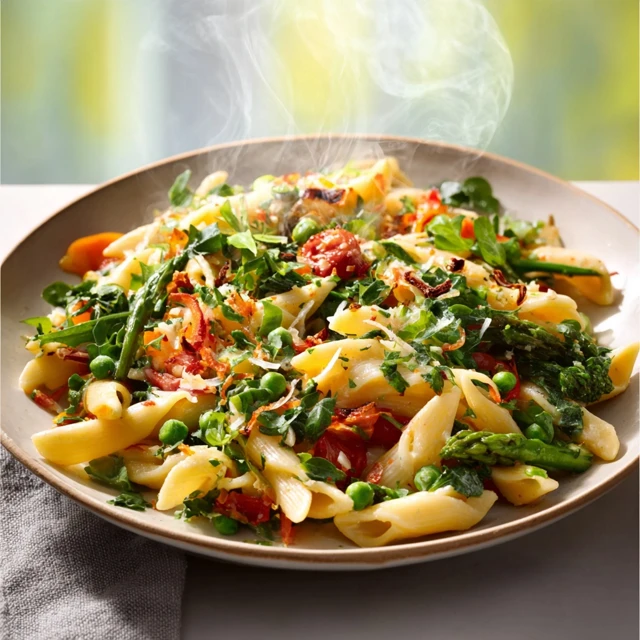
Garden Fresh One-Pot Pasta Primavera

Equipment
- Large Dutch oven or a wide, deep skillet with a lid
- Chef’s knife
- Cutting board
- Tongs
- Measuring cups and spoons
- Cheese grater
Ingredients
- 2 tablespoons extra-virgin olive oil
- 4 cloves garlic, finely minced
- 2 medium carrots, julienned
- 1 red bell pepper, thinly sliced
- 4 cups low-sodium vegetable broth
- 1 teaspoon salt, plus more to taste
- ½ teaspoon black pepper, plus more to taste
- 12 ounces fettuccine or linguine
- 1 bunch asparagus, trimmed and cut into 1-inch pieces
- 1 cup small broccoli florets
- 1 cup frozen peas
- ¼ cup heavy cream or half-and-half
- ½ cup freshly grated Parmesan cheese, plus more for serving
- 1 tablespoon fresh lemon juice
- ¼ cup mixed fresh parsley and basil, chopped
Instructions
- In a large Dutch oven or wide skillet with a lid, heat the olive oil over medium heat. Add the minced garlic and cook, stirring constantly, for 30-60 seconds until fragrant but not browned.
- Add the julienned carrots and sliced red bell pepper to the pot. Sauté for 2-3 minutes until they begin to soften slightly.
- Pour in the vegetable broth, salt, and pepper. Bring the liquid to a gentle simmer.
- Add the dry fettuccine to the pot, arranging it in a single layer. Gently press the pasta down to submerge it in the broth. Cook for 5 minutes, stirring occasionally with tongs to prevent sticking.
- Scatter the asparagus pieces and broccoli florets over the pasta. Place the lid on the pot, reduce heat to medium-low, and cook for another 4-5 minutes, until the pasta is al dente and the vegetables are crisp-tender.
- Remove the pot from the heat. Most of the liquid should be absorbed, leaving a light, starchy sauce. If it appears too dry, add a splash of extra broth.
- Stir in the frozen peas, heavy cream, and grated Parmesan cheese. The residual heat will cook the peas and melt the cheese into a creamy sauce.
- Add the fresh lemon juice and chopped fresh herbs (parsley and basil). Toss everything gently to combine.
- Taste and adjust seasoning with additional salt, pepper, or a squeeze of lemon if needed. Serve immediately, garnished with extra Parmesan cheese.
Notes
– **Vegetable Swaps:** Feel free to substitute with other quick-cooking vegetables like zucchini, yellow squash, or snap peas. Halved cherry tomatoes can be added at the end.
– **Make it Vegan:** Use a plant-based cream (cashew or oat) and a vegan Parmesan alternative. Ensure your vegetable broth is certified vegan.
– **Add Protein:** Stir in cooked shredded chicken, shrimp, or chickpeas at the end for a heartier meal.
– **Spice it Up:** Add a pinch of red pepper flakes with the garlic for a gentle heat.
– **Flavor Boosts:** For deeper flavor, add a finely chopped shallot with the garlic, or brown 2 tablespoons of butter before sautéing the aromatics.
– **Important Technique:** Use a wide pot to prevent the pasta from clumping, and be sure to stir the pasta with tongs during the first few minutes of cooking to keep the strands separated.