Cooking pasta directly in its own sauce feels like breaking a sacred kitchen rule, one passed down through generations of simmering marinara and boiling salted water. We’re taught to keep them separate until the very last moment. But this one-pot method isn’t just about rebellion or saving a dish; it’s a culinary revelation that harnesses the very starch from the pasta, transforming simple milk and cheese into a sauce so velvety and integrated, it clings to every single nook of every noodle.
This is the mac and cheese that redefines weeknight comfort. It’s a single pot journey to a luxuriously creamy, deeply cheesy, and utterly soul-soothing meal that tastes like it took hours of careful stirring and a dozen different pans. Get ready for a sauce that’s born, not just added, resulting in a cohesive, glorious bowl of cheesy perfection that will make you wonder why you ever did it any other way.
The One-Pot Creamy Mac and Cheese Difference
- Starch is Your Superpower: By cooking the pasta directly in the milk and broth, you release all its natural starches. This starch is the secret ingredient that thickens the liquid into a naturally creamy, emulsified sauce without needing a traditional flour-and-butter roux.
- Effortless Technique: This recipe eliminates the need for a separate pot to boil pasta and a saucepan for the cheese sauce. Everything happens in one vessel, which means less cleanup, less fuss, and a more streamlined path to dinner.
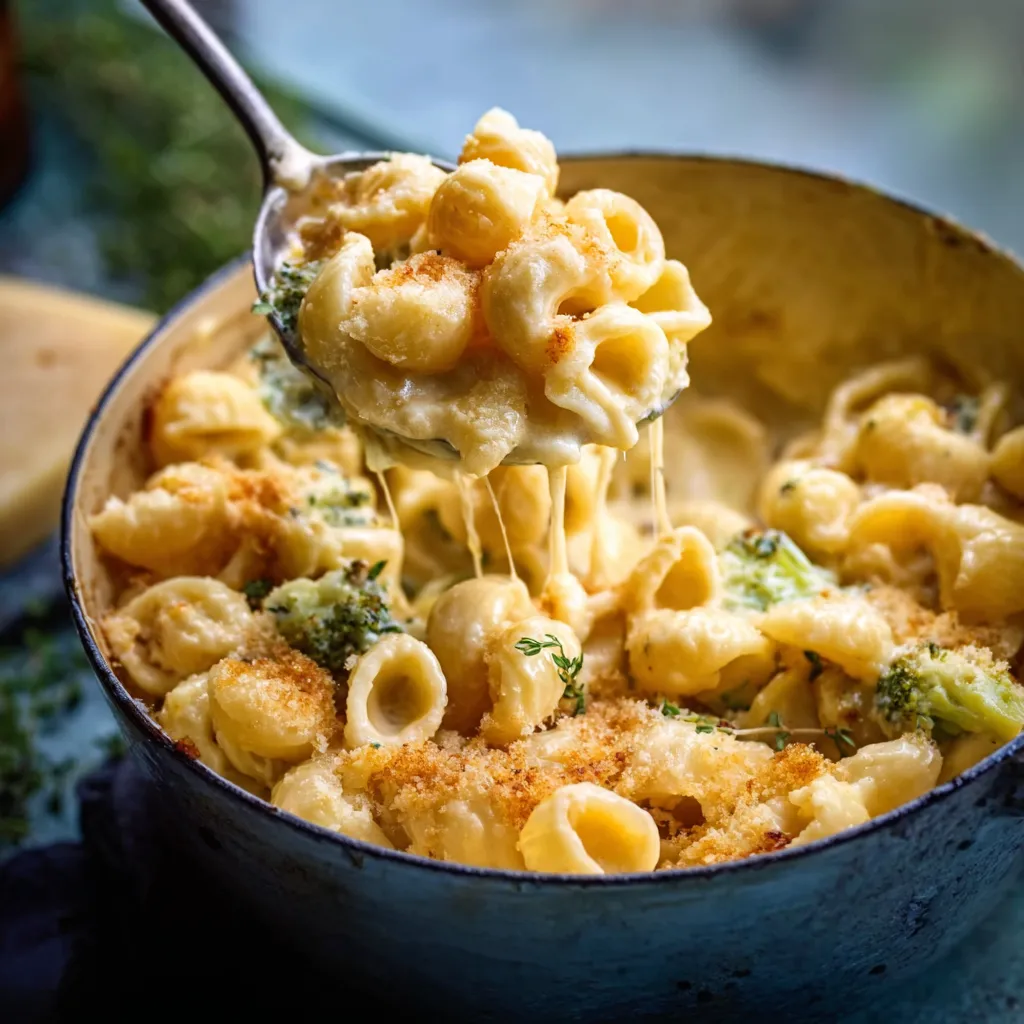
- Unbelievably Velvety Texture: The combination of starchy pasta water, evaporated milk, and freshly grated cheese creates a sauce that is impossibly smooth and glossy. It coats every piece of pasta perfectly, giving you that iconic, satisfying cheese pull in every bite.
The Building Blocks

The magic of this recipe lies in using simple, high-impact ingredients that work together in perfect harmony. Choosing the right components is the first step toward achieving that unbelievably creamy texture and rich, cheesy flavor. Don’t be tempted by pre-shredded cheese here; grating your own is a non-negotiable for the smoothest sauce imaginable.
- Elbow Macaroni: 1 pound (or other short pasta like shells or cavatappi).
- Whole Milk: 3 cups (provides the liquid base and initial creaminess).
- Chicken or Vegetable Broth: 1 ½ cups (adds a layer of savory depth that water alone can’t provide).
- Evaporated Milk: 1 (12-ounce) can (the secret weapon for a super stable, ultra-creamy sauce that won’t break or become grainy).
- Unsalted Butter: 4 tablespoons, cut into pieces (for richness and a silky mouthfeel).
- Sharp Cheddar Cheese: 8 ounces, freshly grated from a block (the flavor backbone; grating it yourself avoids anti-caking agents that make sauces gritty).
- Gruyère or Monterey Jack Cheese: 4 ounces, freshly grated from a block (Gruyère adds nutty complexity, while Monterey Jack provides an epic cheese pull).
- Dijon Mustard: 1 teaspoon (this doesn’t make it taste like mustard; it brightens and sharpens the cheese flavor).
- Smoked Paprika: ½ teaspoon (for a hint of smoky warmth and beautiful color).
- Garlic Powder: ½ teaspoon (for an aromatic background note).
- Salt and Freshly Ground Black Pepper: To taste.
Swaps & Alternatives
Don’t have everything on hand? No problem. This recipe is wonderfully flexible. Here are a few simple swaps you can make in a pinch.
- Pasta: Any short-cut pasta will work beautifully. Try shells, rotini, or cavatappi. Just be mindful that cooking times may vary slightly, so keep an eye on it.
- Cheese: The cheese combination is up to you! Feel free to use all cheddar, or mix in other great melting cheeses like fontina, Colby, or Gouda.
- Milk: While whole milk and evaporated milk give the best results, you can use 2% milk in a pinch. The final sauce may be slightly less rich, but still delicious.
- Broth: If you don’t have broth, you can use all milk or even water, but you’ll want to add a bit more salt and seasoning to compensate for the lost flavor.
Level Up This Recipe
Once you’ve mastered the basic recipe, it becomes a perfect canvas for your culinary creativity. Think of this as the foundational mac and cheese that you can dress up for any occasion.
First, consider the power of brown butter. Before adding any liquids, melt your butter in the pot and let it cook, swirling occasionally, until it foams and golden-brown specks appear at the bottom. This adds an incredible nutty, toasted depth of flavor that elevates the entire dish.
For a spicy kick, add a pinch of cayenne pepper or a dash of your favorite hot sauce along with the other seasonings. If you’re a fan of our Buffalo Chicken Mac And Cheese, you already know how well a little heat pairs with a creamy cheese sauce. Stir in some shredded rotisserie chicken and a swirl of buffalo sauce at the end for an instant flavor explosion.
Finally, don’t forget about texture. A crunchy topping provides a fantastic contrast to the creamy pasta. Toast some panko breadcrumbs in a separate skillet with a little butter and garlic powder until golden brown, then sprinkle them over each serving for a restaurant-worthy finish.
How to Make One-Pot Creamy Mac and Cheese
Get ready for the easiest, most rewarding cooking process. The key is to keep things moving and trust the method. In about 20 minutes, you’ll be staring into a pot of pure comfort food gold.
1. Combine the Liquids and Pasta
In a large pot or Dutch oven, combine the uncooked macaroni, whole milk, broth, and a generous pinch of salt and pepper. Stir everything together to make sure the pasta is mostly submerged.
Place the pot over medium-high heat and bring the mixture to a gentle simmer, stirring frequently to prevent the pasta from sticking to the bottom of the pot. This initial stirring is crucial!
2. Simmer and Thicken
Once the liquid is simmering, reduce the heat to medium-low. Let it cook, uncovered, for about 9-12 minutes, or until the pasta is al dente. You need to stir it every minute or so.
As the pasta cooks, it will release its starches, and you’ll see the liquid in the pot begin to thicken into a light, creamy sauce. It might look a little loose at first, but have faith! It will continue to thicken as it cools slightly and once you add the cheese.
3. Melt in the Good Stuff
Once the pasta is perfectly cooked, remove the pot from the heat completely. This is the most important step to prevent a grainy sauce. Let it sit off the heat for a minute or two to cool down just slightly.
Add the pieces of butter, the evaporated milk, Dijon mustard, smoked paprika, and garlic powder. Stir vigorously until the butter is fully melted and everything is incorporated into a glossy sauce.
4. Add the Cheese and Serve
Now for the grand finale. Add the freshly grated cheddar and Gruyère (or Monterey Jack) to the pot in handfuls, stirring continuously after each addition until the cheese is completely melted and the sauce is smooth.
Give it a final taste and adjust the seasoning with more salt and pepper if needed. You’ll be left with the most incredible, creamy mac and cheese. That perfect moment is when you see a close-up of a wooden spoon lifting a scoop of thick, gooey macaroni and cheese from a stainless steel pot, with strings of cheese stretching gloriously. Serve it immediately while it’s hot and dreamy.
Avoid These Pitfalls
- Boiling Too Vigorously: Cooking the pasta at a hard, rolling boil can cause the milk to scorch on the bottom of the pan and may make the pasta cook too quickly on the outside. Maintain a steady, gentle simmer for even cooking.
- Adding Cheese Over High Heat: Tossing cheese into a screaming-hot sauce is the number one cause of a gritty or broken mac and cheese. The high temperature can cause the proteins in the cheese to seize up and separate. Always, always remove the pot from the heat before adding your cheese.
- Using Pre-Shredded Cheese: Bagged shredded cheeses are coated in starches like potato starch or cellulose to prevent clumping. These anti-caking agents will prevent your cheese from melting smoothly, resulting in a grainy texture. Grating your own from a block is the key to a velvety sauce.
Perfect Pairings
While this one-pot mac and cheese is a hearty and satisfying meal all on its own, serving it with the right side dish can turn it into a truly balanced and memorable dinner. The goal is to pair its rich creaminess with something fresh, acidic, or green to cut through the richness.
A simple green salad with a bright lemon vinaigrette is a classic and perfect choice. The acidity from the dressing cleanses the palate between cheesy bites. Roasted vegetables are another fantastic option. Think crispy roasted broccoli, asparagus, or Brussels sprouts. The slight char and earthy flavor provide a wonderful contrast.
If you’re looking to create a more substantial meal, this mac and cheese serves as an incredible base. It’s not unlike the creamy pasta dishes you love, such as One Pot Creamy Garlic Pasta or even a hearty Creamy High Protein Beef Pasta. You can stir in shredded chicken, browned ground beef, or even transform it into a version of Philly Cheesesteak Mac by adding sautéed peppers, onions, and steak.
For a truly comforting feast, serve it alongside some pulled pork or BBQ chicken. And if you’re a fan of different pasta cooking methods, you might compare this quick stovetop version to the hands-off approach of a Slow Cooker Mac And Cheese for weekend gatherings. It can also be transferred to a baking dish, topped with more cheese and breadcrumbs, and baked until bubbly, similar to a Creamy Cheesy Chicken Pasta Bake.
If you tried this recipe and loved it, please leave a 5-star rating below. It helps us so much
Why does this one-pot method work so well for mac and cheese?
This method works by cooking the pasta directly in the milk and broth, which releases the pasta’s natural starches. This starch acts as a secret ingredient, thickening the liquid into a naturally creamy and velvety sauce without needing a separate flour-and-butter roux.
Is it really necessary to grate my own cheese for this recipe?
Yes, the article stresses that grating your own cheese from a block is a non-negotiable step for the smoothest sauce. Pre-shredded cheeses are coated with anti-caking agents that prevent them from melting smoothly and can result in a gritty texture.
What is the most important step to avoid a grainy cheese sauce?
The most crucial step is to remove the pot from the heat completely before adding the cheese. Adding cheese to a sauce that is too hot can cause its proteins to seize up and separate, leading to a grainy or broken texture. Letting the pot cool for a minute first ensures a smooth melt.
Can I use different types of pasta or cheese in this recipe?
Absolutely. You can substitute the elbow macaroni with any short-cut pasta like shells, rotini, or cavatappi, though cooking times may vary slightly. For the cheese, you can use all cheddar or mix in other great melting cheeses such as fontina, Colby, or Gouda.
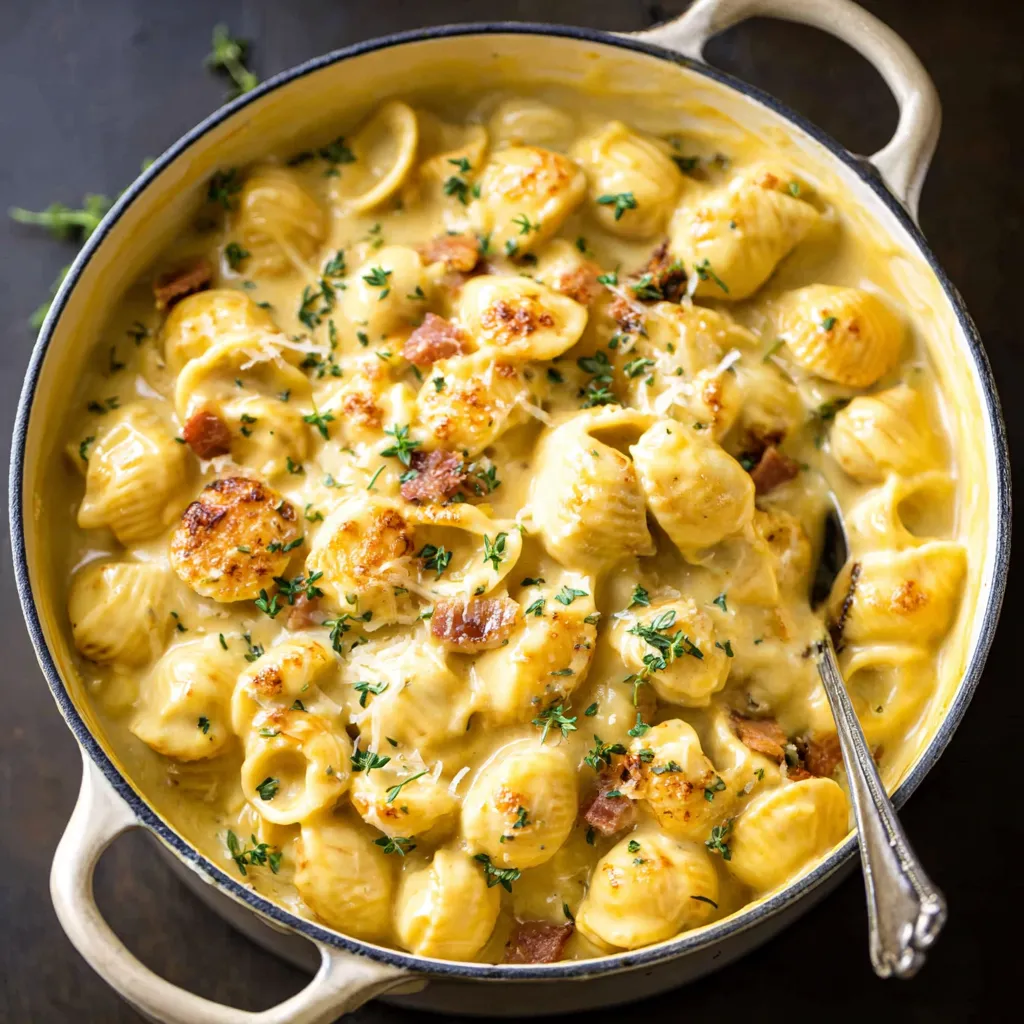
Game-Changing One-Pot Creamy Mac and Cheese

Equipment
- Large pot or Dutch oven
- Box grater
- Measuring cups
- Measuring spoons
- wooden spoon or heatproof spatula
- Whisk
Ingredients
- 1 pound elbow macaroni or other short pasta
- 3 cups whole milk
- 1 ½ cups chicken or vegetable broth
- 4 tablespoons unsalted butter, cut into pieces
- 8 ounces sharp cheddar cheese, freshly grated from a block
- 4 ounces Gruyère or Monterey Jack cheese, freshly grated from a block
- 1 teaspoon Dijon mustard
- ½ teaspoon smoked paprika
- ½ teaspoon garlic powder
- Salt and freshly ground black pepper, to taste
Instructions
- In a large pot or Dutch oven, combine the uncooked macaroni, whole milk, broth, and a generous pinch of salt and pepper. Stir to ensure the pasta is mostly submerged.
- Place the pot over medium-high heat and bring to a gentle simmer, stirring frequently to prevent the pasta from sticking to the bottom.
- Once simmering, reduce the heat to medium-low. Cook, uncovered, for 9-12 minutes, stirring every minute or so, until the pasta is al dente and the liquid has thickened into a light, creamy sauce.
- Remove the pot from the heat completely and let it stand for 1-2 minutes to cool slightly. This is crucial for a smooth sauce.
- Add the pieces of butter, the evaporated milk, Dijon mustard, smoked paprika, and garlic powder. Stir vigorously until the butter is fully melted and the sauce is glossy.
- Add the freshly grated cheeses in handfuls, stirring continuously after each addition until the cheese is completely melted and the sauce is smooth and creamy.
- Taste and adjust seasoning with more salt and pepper if needed. Serve immediately for the best texture.