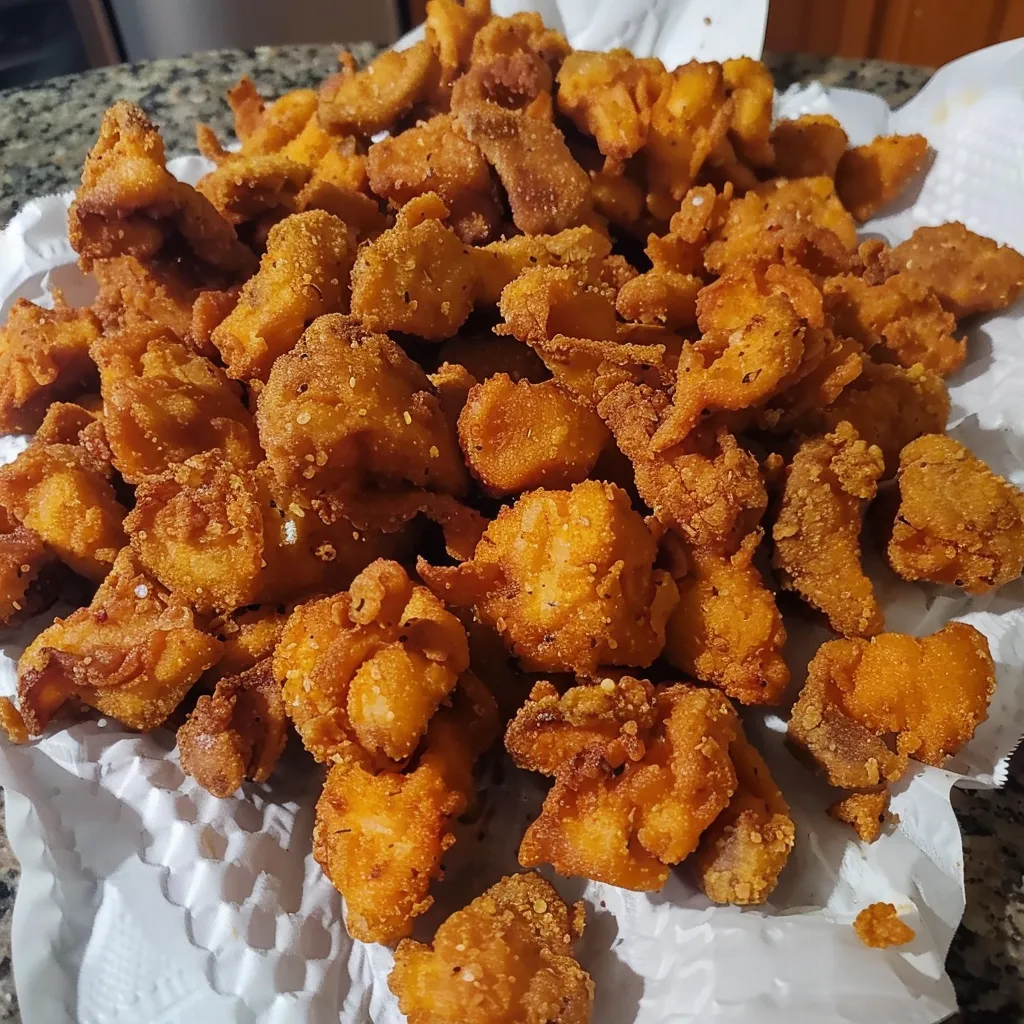
The Deep Dive: Understanding the Science of Fried Alligator
The key to perfectly fried alligator lies in understanding the meat’s unique properties. Alligator tail meat, the most commonly used cut, is relatively lean and can become tough if overcooked. The muscle fibers are dense, requiring a bit of tenderization and careful cooking to achieve a desirable texture. The frying process itself involves complex interactions between heat, oil, and the batter. High heat causes the moisture in the alligator to turn to steam, which helps to cook the meat quickly and create a crispy crust. The oil acts as a medium for heat transfer and contributes to the overall flavor and texture. A well-formulated batter provides a protective layer that seals in moisture, prevents excessive oil absorption, and creates a satisfying crunch. Furthermore, proper seasoning is critical. Alligator meat is mild, so it benefits greatly from bold flavors that complement its subtle taste. Cajun spices, in particular, work wonderfully to enhance the overall experience.From Swamp to Supper: The Ultimate Fried Alligator Recipe
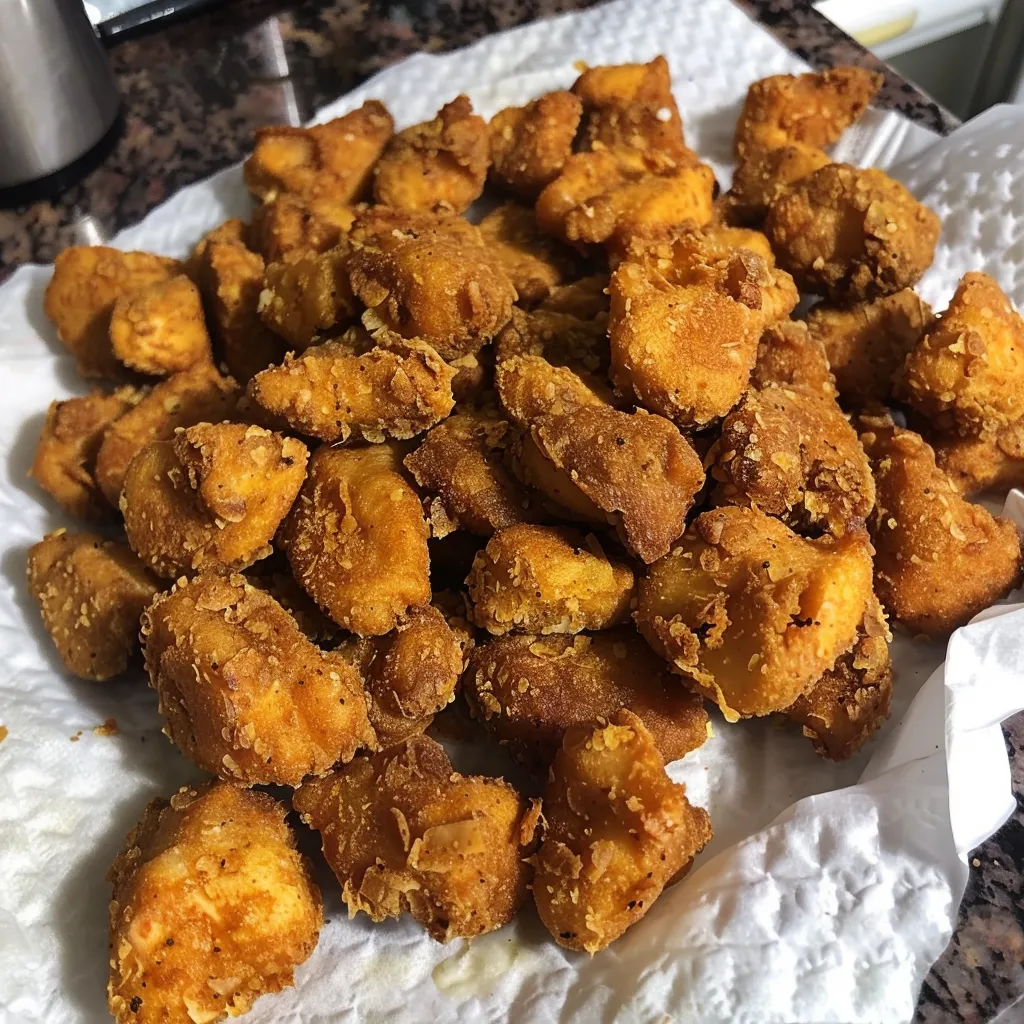 Here’s a recipe that I’ve meticulously refined to ensure perfect fried alligator every time.
Ingredients:
- 1 lb alligator tail meat, cut into bite-size pieces
- 2 cups buttermilk
- 2 tbsp hot sauce (such as Tabasco or Crystal)
- 1 tbsp Cajun seasoning
- 1 tsp garlic powder
- 1 tsp onion powder
- 1/2 tsp black pepper
- 1 cup all-purpose flour
- 1/2 cup cornstarch
- 1 tsp baking powder
- 1/2 tsp salt
- Vegetable oil, for frying
Instructions:
1. Marinate the Alligator: In a bowl, combine the alligator meat, buttermilk, and hot sauce. Marinate in the refrigerator for at least 30 minutes, or up to 2 hours. This tenderizes the meat and infuses it with flavor. 2. Prepare the Dry Dredge: In a separate bowl, whisk together the flour, cornstarch, baking powder, salt, Cajun seasoning, garlic powder, onion powder, and black pepper. 3. Dredge the Alligator: Remove the alligator pieces from the buttermilk marinade, letting any excess drip off. Dredge each piece in the flour mixture, ensuring it’s fully coated. Press the flour onto the meat to help it adhere. 4. Heat the Oil: Pour about 2-3 inches of vegetable oil into a large, heavy-bottomed pot or deep fryer. Heat the oil to 350°F (175°C). Use a thermometer to monitor the temperature. 5. Fry the Alligator: Carefully add the dredged alligator pieces to the hot oil in batches, being careful not to overcrowd the pot. Fry for 2-3 minutes per side, or until golden brown and cooked through. The internal temperature should reach 165°F (74°C). 6. Drain and Serve: Remove the fried alligator from the oil and place it on a wire rack lined with paper towels to drain excess oil. Serve immediately with your favorite dipping sauces, such as remoulade sauce or hot sauce. This would be delicious with some Crab Cakes With Remoulade Sauce.Serving Suggestions:
- Serve as an appetizer with remoulade sauce, tartar sauce, or cocktail sauce.
- Include it in a Cajun platter alongside other fried favorites like Fried Chicken Gizzards And Gravy.
- Serve over rice with a flavorful sauce.
My Alligator Alchemy: A Culinary Investigation
The Initial Swamp: Early Attempts and Epic Fails
My first few attempts at frying alligator were, to put it mildly, a disaster. The meat turned out tough and rubbery, the batter was either soggy or burnt, and the overall flavor was underwhelming. Like many of you, I initially thought that simply throwing some alligator meat into a fryer would yield delicious results. I was wrong. Terribly wrong. I tried different cuts of meat, various batter recipes, and a range of cooking times, but nothing seemed to work. The alligator remained stubbornly resistant to my culinary ambitions.The Buttermilk Breakthrough: Taming the Beast
Then, I had an “Aha!” moment. I realized that the key to tenderizing the alligator was to marinate it in buttermilk. Buttermilk, with its mild acidity, helps to break down the tough muscle fibers, resulting in a more tender and palatable final product. This simple step transformed the alligator from a chewy nightmare into a succulent delight. After the buttermilk soak, I experimented with different breading ingredients. I had the idea of combining the final product with Southern Fried Chicken.The Cajun Kick: Spicing Up Success
Next, I focused on the flavor profile. Alligator meat, on its own, is quite mild. It needs a boost of bold flavors to truly shine. I experimented with various spice blends, but ultimately settled on a classic Cajun seasoning mix. The combination of paprika, cayenne pepper, garlic powder, onion powder, and other spices provided the perfect kick to complement the alligator’s subtle taste. I also discovered that a touch of hot sauce in the buttermilk marinade added an extra layer of depth and complexity.The Cornstarch Clutch: Achieving Crispy Perfection
The final piece of the puzzle was the batter. I wanted a batter that would create a crispy, golden crust without being too heavy or greasy. After several trials, I found that a combination of all-purpose flour and cornstarch, along with a touch of baking powder, yielded the best results. The cornstarch contributed to the crispiness, while the baking powder helped to create a light and airy texture. Also, I remembered that I should also have Jambalaya (louisiana Style).The Foolproof Method: Your Guide to Alligator Frying Victory
Here’s a step-by-step breakdown of the perfected method for achieving fried alligator nirvana:- Tenderize and Infuse: Marinate the alligator meat in buttermilk and hot sauce for at least 30 minutes.
- Spice Up the Dredge: Combine flour, cornstarch, baking powder, salt, and Cajun spices.
- Coat Thoroughly: Dredge the alligator pieces in the flour mixture, pressing to adhere.
- Maintain the Heat: Fry in oil heated to 350°F (175°C), ensuring it doesn’t drop too low.
- Don’t Overcrowd: Fry in batches to avoid lowering the oil temperature.
- Achieve Golden Perfection: Fry for 2-3 minutes per side, until golden brown and cooked through.
- Drain and Devour: Drain on a wire rack and serve immediately with your favorite dipping sauce. Consider serving with a side of Cajun Potato Soup.
Why is buttermilk used when marinating the alligator meat?
Buttermilk’s mild acidity helps to break down the tough muscle fibers in the alligator meat, resulting in a more tender and palatable final product.
What is the ideal oil temperature for frying the alligator, and why is it important to maintain that temperature?
The ideal oil temperature is 350°F (175°C). Maintaining this temperature is crucial because it ensures the alligator cooks properly without becoming soggy or burning. Frying in batches also helps to prevent the oil temperature from dropping too low.
Why is cornstarch added to the flour mixture for the batter?
Cornstarch contributes to the crispiness of the batter, while baking powder helps to create a light and airy texture, resulting in a golden crust that isn’t too heavy or greasy.
What are some suggested dipping sauces to serve with fried alligator?
The article suggests serving fried alligator with remoulade sauce, tartar sauce, or cocktail sauce.
Amazing Easy Fried Alligator

This recipe transforms alligator tail meat into a crispy and flavorful delight. Marinated in buttermilk and hot sauce, then dredged in a Cajun-spiced flour mixture, the alligator is fried to golden perfection and served with your favorite dipping sauces. Perfect as an appetizer or a unique main course.
Equipment
- Large bowl
- Whisk
- heavy-bottomed pot or deep fryer
- Thermometer
- Slotted spoon or spider
- Wire rack
- Paper towels
Ingredients
- 1 lb alligator tail meat, cut into bite-size pieces
- 2 cups buttermilk
- 2 tbsp hot sauce such as Tabasco or Crystal
- 1 tbsp Cajun seasoning
- 1 tsp garlic powder
- 1 tsp onion powder
- ½ tsp black pepper
- 1 cup all-purpose flour
- ½ cup cornstarch
- 1 tsp baking powder
- ½ tsp salt
- Vegetable oil, for frying
Instructions
- In a bowl, combine the alligator meat, buttermilk, and hot sauce. Marinate in the refrigerator for at least 30 minutes, or up to 2 hours.
- In a separate bowl, whisk together the flour, cornstarch, baking powder, salt, Cajun seasoning, garlic powder, onion powder, and black pepper.
- Remove the alligator pieces from the buttermilk marinade, letting any excess drip off.
- Dredge each piece in the flour mixture, ensuring it’s fully coated. Press the flour onto the meat to help it adhere.
- Pour about 2-3 inches of vegetable oil into a large, heavy-bottomed pot or deep fryer. Heat the oil to 350°F (175°C). Use a thermometer to monitor the temperature.
- Carefully add the dredged alligator pieces to the hot oil in batches, being careful not to overcrowd the pot. Fry for 2-3 minutes per side, or until golden brown and cooked through. The internal temperature should reach 165°F (74°C).
- Remove the fried alligator from the oil and place it on a wire rack lined with paper towels to drain excess oil.
- Serve immediately with your favorite dipping sauces, such as remoulade sauce or hot sauce.
Notes
Marinating the alligator in buttermilk is key to tenderizing the meat. Do not overcrowd the pot when frying to maintain the oil temperature. Serve immediately for the best crispy texture. Consider serving with remoulade sauce, tartar sauce, or cocktail sauce.