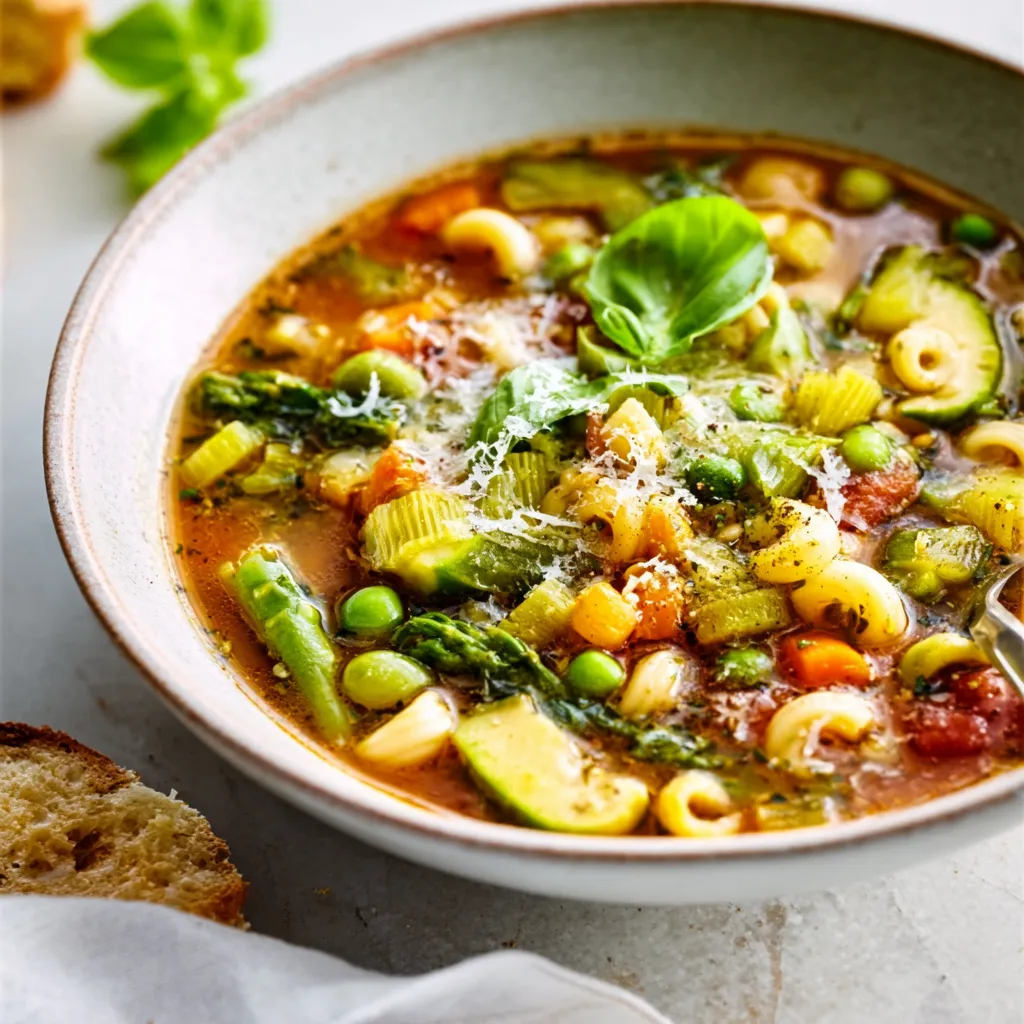
Vibrant green shoots pushing through the last of the winter chill signal a change, a promise of warmer days and lighter flavors. This Instant Pot Spring Minestrone is the edible equivalent of that feeling, a celebration of the season’s first tender vegetables all brought together in a single, ridiculously easy pot. It’s a departure from the hearty, tomato-heavy minestrone of autumn, trading deep, simmering notes for bright, fresh, and zesty ones that taste like pure sunshine.
What you get is a beautiful, brothy soup brimming with crisp-tender asparagus, sweet peas, and delicate leeks, all swimming alongside tiny pasta shells and creamy cannellini beans. It’s a complete, nourishing meal that feels both comforting and incredibly light, finished with a squeeze of lemon and a shower of fresh herbs that make every spoonful sing. This is the healthy dinner you’ll crave on those first few evenings when you can finally open the windows and let the fresh air in.
The Instant Pot Spring Minestrone Difference
- Bold Flavor Layering: We build flavor from the ground up by sautéing the leeks, carrots, and celery directly in the Instant Pot. This creates a sweet, aromatic base that a simple “dump and start” recipe can’t replicate.
- Bold Two-Stage Cooking Technique: The magic is in cooking the heartier elements under pressure first, then adding the delicate spring vegetables and pasta at the end using the Sauté function. This ensures the asparagus and peas stay bright green and perfectly crisp-tender, not mushy.
- Bold Bright, Zesty Finish: Unlike its wintery cousin, this soup’s character comes from a final, off-heat addition of fresh lemon juice and dill. This simple step awakens all the flavors and gives the soup its signature vibrant, spring-like taste.
The Building Blocks
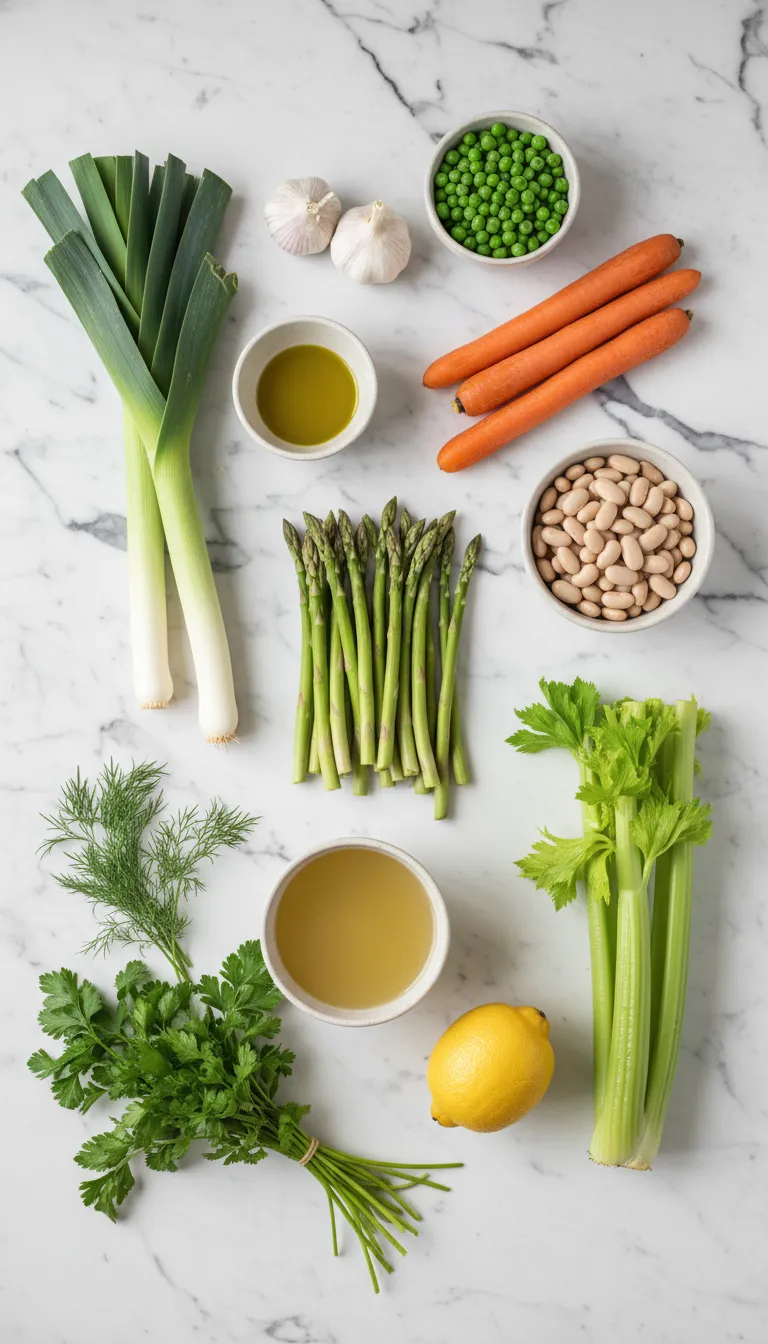
- Olive Oil: For sautéing the aromatics and building the flavor base.
- Leeks: (The star aromatic of spring!) Use the white and light green parts only. They provide a delicate, sweet onion flavor that’s much milder than a yellow onion.
- Carrots: For a touch of sweetness and beautiful color.
- Celery: Adds a savory, vegetal backbone to the broth.
- Garlic: Because almost all great soup recipes start with garlic.
- Vegetable Broth: (The foundation of your soup.) Use a low-sodium, high-quality broth so you can control the salt level and ensure a clean, vegetable-forward taste.
- Cannellini Beans: (For creaminess and protein.) One can, rinsed and drained. They add a lovely texture and make the soup a more substantial meal.
- Ditalini Pasta: (The perfect tiny pasta.) Its small, tubular shape is ideal for soup, capturing broth in every bite without becoming overwhelming.
- Asparagus: (The quintessential spring vegetable.) Trim the woody ends and cut into bite-sized pieces. It gets added at the very end to keep its signature snap.
- Frozen Peas: For a pop of sweetness and vibrant color. No need to thaw them first.
- Fresh Dill & Parsley: (Absolutely essential for freshness.) These herbs, stirred in at the end, provide a bright, aromatic lift that defines the soup.
- Lemon: (Your secret weapon.) Both the zest and juice are used to awaken and brighten all the other flavors. Do not skip this!
- Salt & Black Pepper: To taste.
Swaps & Alternatives
Don’t have everything on hand? No problem! This is one of those flexible spring recipes that welcomes a bit of improvisation.- No Leeks? You can substitute with a sweet onion or a bunch of shallots, though the flavor will be slightly more pungent.
- Different Beans: Great Northern beans or even chickpeas would work wonderfully in place of cannellini.
- Pasta Shapes: Any small pasta like orzo, small shells, or even broken spaghetti will do the trick. For a gluten-free option, use your favorite GF small pasta or a cup of quinoa (you may need to adjust cooking time).
- Vegetable Variations: Feel free to add other spring vegetables like chopped zucchini, baby spinach, or even some chopped fennel. Just be sure to add them during the final sauté step so they don’t overcook.
- Herb Swap: If you’re not a fan of dill, fresh mint or tarragon would also be delicious and offer a different but equally fresh spring profile.
Flavor Boosts
Ready to take this simple soup to the next level? These little additions can make a huge impact and turn a weeknight meal into something truly special.First, consider adding a parmesan rind to the pot during the pressure cooking phase. Just toss it in with the broth. It will infuse the soup with an incredible savory, umami depth that you can’t get any other way. Just remember to remove it before serving!
For a richer, more complex base, deglaze the pot with a splash of dry white wine, like a Sauvignon Blanc or Pinot Grigio, after sautéing the aromatics. Let it cook for a minute to burn off the alcohol before adding the broth. This adds a layer of acidity and brightness right from the start.
Finally, a dollop of pesto stirred into each bowl just before serving is a game-changer. The basil, garlic, and pine nuts complement the spring vegetables beautifully and add a luxurious richness. You can use store-bought or make your own for the freshest flavor.
How to Make Instant Pot Spring Minestrone
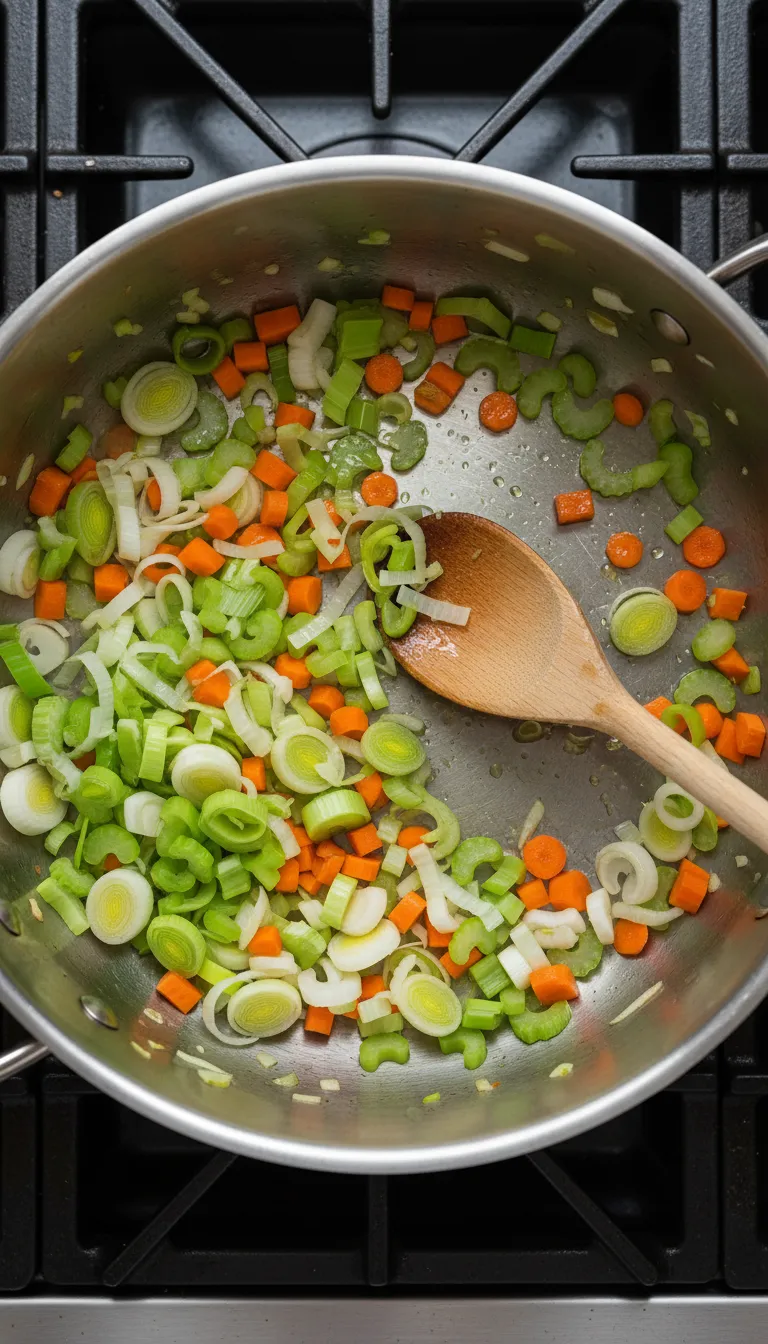
1. Sauté the Aromatic Base
Set your Instant Pot to the “Sauté” function on high. Once it reads “Hot,” add the olive oil. Add the sliced leeks, diced carrots, and diced celery. Cook, stirring occasionally, for about 5-7 minutes, until the vegetables have softened and the leeks are tender. This step is crucial for building a deep flavor foundation. Add the minced garlic and cook for another minute until fragrant, being careful not to let it burn.2. Deglaze and Add Liquids
Pour in a small splash of the vegetable broth and use a wooden spoon to scrape up any browned bits from the bottom of the pot. This is called deglazing, and it’s where so much flavor lives! Once the bottom is clean, pour in the rest of the vegetable broth, the rinsed cannellini beans, salt, and pepper. Give everything a good stir to combine.3. Pressure Cook the Foundation
Secure the lid on the Instant Pot, making sure the steam release valve is set to “Sealing.” Select the “Pressure Cook” or “Manual” setting and cook on high pressure for 5 minutes. Once the cooking time is complete, perform a quick release by carefully moving the valve to “Venting.”4. Add the Finishing Touches
Once the pin has dropped and it’s safe to open, carefully remove the lid. Turn the “Sauté” function back on. Add the dry ditalini pasta and the chopped asparagus to the pot. Let the soup simmer, stirring occasionally, for about 6-8 minutes, or until the pasta is al dente and the asparagus is crisp-tender. You’re looking for a vibrant green, not a dull olive color. This method is far superior to pressure cooking the delicate veg, which is a common mistake in many soup recipes.5. Stir in the Fresh Finishers
Turn off the Instant Pot by pressing “Cancel.” Stir in the frozen peas (they will cook in seconds from the residual heat), the chopped fresh dill and parsley, the lemon zest, and the lemon juice. This final step is what transforms it from a simple vegetable soup into a true Spring Minestrone. Taste and adjust seasoning with more salt and pepper if needed.Avoid These Pitfalls
- Bold Overcooking the Vegetables: Do not pressure cook the asparagus or peas. They are too delicate and will turn to mush. Adding them at the end on the Sauté setting is the key to maintaining their texture and bright color.
- Bold Forgetting the Acid: Skipping the lemon juice and zest at the end is a major mistake. The soup will taste flat without it. The acidity is what makes all the fresh vegetable flavors pop and come to life.
- Bold Not Deglazing the Pot: Those little browned bits on the bottom of the pot after sautéing are concentrated flavor. If you don’t scrape them up, you’re leaving flavor behind and also risk getting a “Burn” notice from your Instant Pot.
Toppings & Sides
This vibrant soup is a star on its own, but the right accompaniments can make it a truly memorable meal. A simple bowl of this minestrone is a fantastic healthy dinner, but let’s talk about dressing it up.For serving, I love to offer a variety of toppings. A generous sprinkle of freshly grated Parmesan or Pecorino Romano cheese adds a salty, nutty finish. For a vegan recipe option, a sprinkle of nutritional yeast or some vegan parmesan works beautifully. A drizzle of high-quality extra virgin olive oil and a few extra fresh herbs on top of each bowl also looks and tastes incredible.
When it comes to sides, you can’t go wrong with crusty bread for dipping. A warm baguette, ciabatta, or some homemade sourdough is perfect for sopping up every last drop of the delicious broth. If you want something a bit more substantial, a simple green salad with a light vinaigrette would be a perfect pairing, keeping the meal light and fresh. This soup is a cousin to other Italian classics, and much like you’d serve bread with a hearty Pasta Fagioli, it’s essential here too.
This soup is also incredibly versatile. While it’s a departure from the classic tomato-based Minestrone Soup, it shares the same spirit of using what’s fresh and available. If you enjoy one-pot soup meals, you might also love the simplicity of this One Pot Lasagna Soup for a cozier night. The ease of Instant Pot recipes like this one opens the door to trying so many other fantastic soups, from a creamy Zuppa Toscana to a protein-packed High Protein White Bean Soup. And for a truly comforting bowl, the Creamy Vegetable Soup is always a winner.
Did you change any ingredients? Let me know in the comments how you made this recipe your own
What makes this Spring Minestrone different from a traditional minestrone soup?
Unlike the hearty, tomato-heavy minestrone of autumn, this spring version is a light, brothy soup with bright and zesty flavors. It features tender spring vegetables like asparagus, peas, and leeks, and is finished with fresh lemon juice and dill to give it a vibrant, sunshine-like taste.
Why are the asparagus and peas added at the end instead of being pressure-cooked?
The recipe uses a two-stage cooking method to protect delicate vegetables. Asparagus and peas are added at the end using the Sauté function to ensure they remain crisp-tender and bright green. If they were pressure-cooked with the other ingredients, they would become mushy and lose their vibrant color.
Can I substitute some of the ingredients in this recipe?
Yes, the recipe is very flexible. You can replace leeks with a sweet onion, use Great Northern beans or chickpeas instead of cannellini, and swap ditalini for any small pasta like orzo or small shells. You can also add other spring vegetables like zucchini or spinach during the final sauté step.
What are the most important steps to ensure the soup has a bright, fresh flavor?
The two most crucial steps for a vibrant flavor are deglazing the pot after sautéing the aromatics to capture all the browned bits, and adding the fresh lemon juice, lemon zest, and fresh herbs (dill and parsley) at the very end after turning the heat off. The acidity from the lemon is essential for making all the vegetable flavors pop.
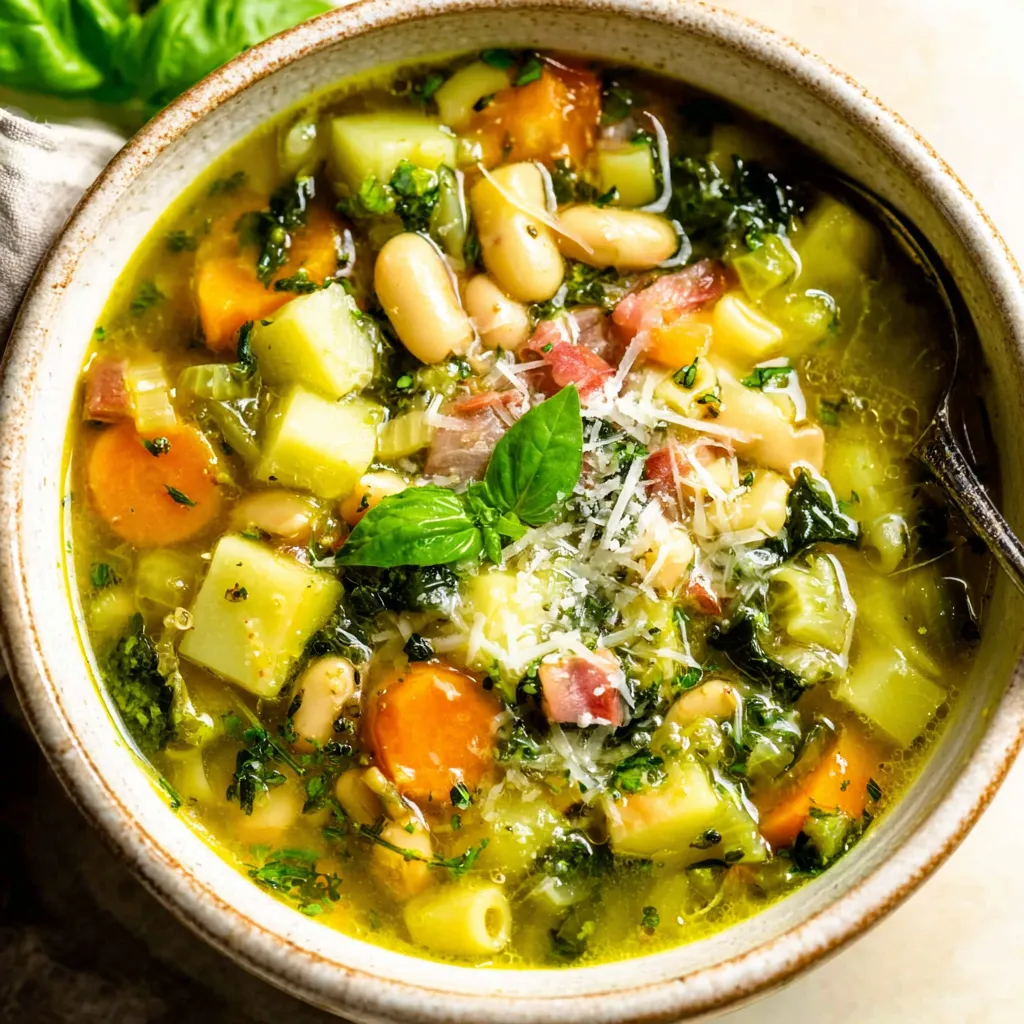
Easy Instant Pot Spring Minestrone

Equipment
- Instant Pot (6-quart or larger)
- Cutting board
- Chef’s knife
- Wooden spoon or spatula
- Measuring cups and spoons
- Lemon zester or microplane
- Lemon juicer
- Ladle
Ingredients
- 2 tablespoons olive oil
- 2 medium leeks, white and light green parts only, sliced
- 2 medium carrots, diced
- 2 celery stalks, diced
- 3 cloves garlic, minced
- 6 cups low-sodium vegetable broth
- 1 cup ditalini pasta or other small pasta like shells or orzo
- 1 bunch asparagus, woody ends trimmed, cut into 1-inch pieces
- 1 cup frozen peas
- ¼ cup fresh dill, chopped
- ¼ cup fresh parsley, chopped
- 1 lemon, zested and juiced
- 1 teaspoon salt, or to taste
- ½ teaspoon freshly ground black pepper, or to taste
Instructions
- Set the Instant Pot to ‘Sauté’ on high. Once hot, add the olive oil. Add the sliced leeks, diced carrots, and diced celery. Cook for 5-7 minutes, stirring occasionally, until softened.
- Add the minced garlic and cook for one more minute until fragrant.
- Pour in a splash of vegetable broth to deglaze the pot, scraping any browned bits from the bottom with a wooden spoon.
- Pour in the remaining vegetable broth, the rinsed cannellini beans, salt, and pepper. Stir to combine.
- Secure the lid, set the steam release valve to ‘Sealing’. Select ‘Pressure Cook’ or ‘Manual’ and cook on high pressure for 5 minutes.
- Once the timer finishes, perform a quick release by carefully moving the valve to ‘Venting’.
- Once the pin drops, open the lid. Select the ‘Sauté’ function again. Add the dry ditalini pasta and chopped asparagus to the pot.
- Simmer for 6-8 minutes, stirring occasionally, until the pasta is al dente and the asparagus is crisp-tender and bright green.
- Press ‘Cancel’ to turn off the heat. Stir in the frozen peas, chopped dill, chopped parsley, lemon zest, and lemon juice. The residual heat will cook the peas instantly.
- Taste and adjust seasoning with more salt and pepper if needed. Serve immediately.
Notes
– Protein Swaps: Great Northern beans or chickpeas can be used instead of cannellini.
– Vegetable Additions: Feel free to add chopped zucchini, baby spinach, or fennel during the final sauté step with the pasta.
– Herb Alternatives: Fresh mint or tarragon can be substituted for dill for a different fresh flavor profile.
– Flavor Boosts: For extra umami, add a Parmesan rind to the pot during the pressure cooking phase (remove before serving). For richness, deglaze the pot with a splash of dry white wine after sautéing the aromatics. A dollop of pesto in each serving bowl is also delicious.
– Toppings: Serve with freshly grated Parmesan cheese, a drizzle of extra virgin olive oil, and crusty bread for dipping.
– Common Pitfalls: Do not pressure cook the asparagus and peas, as they will become mushy. Don’t skip the final addition of lemon juice and zest, as it is crucial for brightening the flavors.