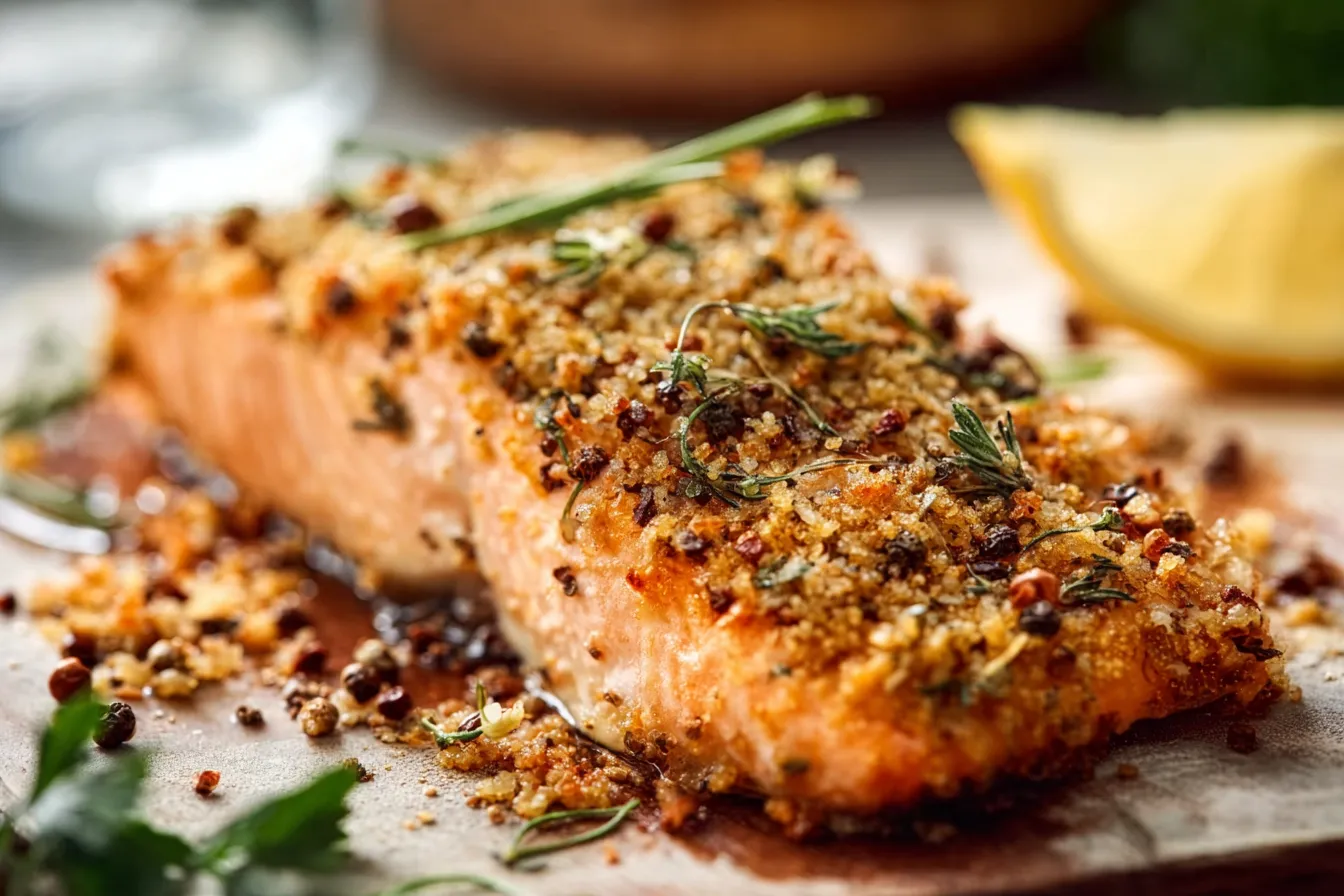
Picture this: flaky, tender salmon infused with the tangy, savory goodness of Dijon mustard, baked to perfection in your own kitchen. This Baked Dijon Salmon recipe is so simple, even on your busiest weeknights, you can have a gourmet-quality meal on the table in under 30 minutes – guaranteed to impress your family and friends, and I’m here to guide you every step of the way!
Ingredients
For the Salmon:
- 4 (6-ounce) salmon fillets, skin on or off (your preference!)
- 2 tablespoons Dijon mustard
- 1 tablespoon olive oil
- 1 tablespoon lemon juice
- 1 teaspoon garlic powder
- 1/2 teaspoon dried dill
- 1/4 teaspoon salt
- 1/4 teaspoon black pepper
Optional Garnishes:
- Fresh parsley, chopped
- Lemon wedges
Step-by-Step Instructions
Getting Started:
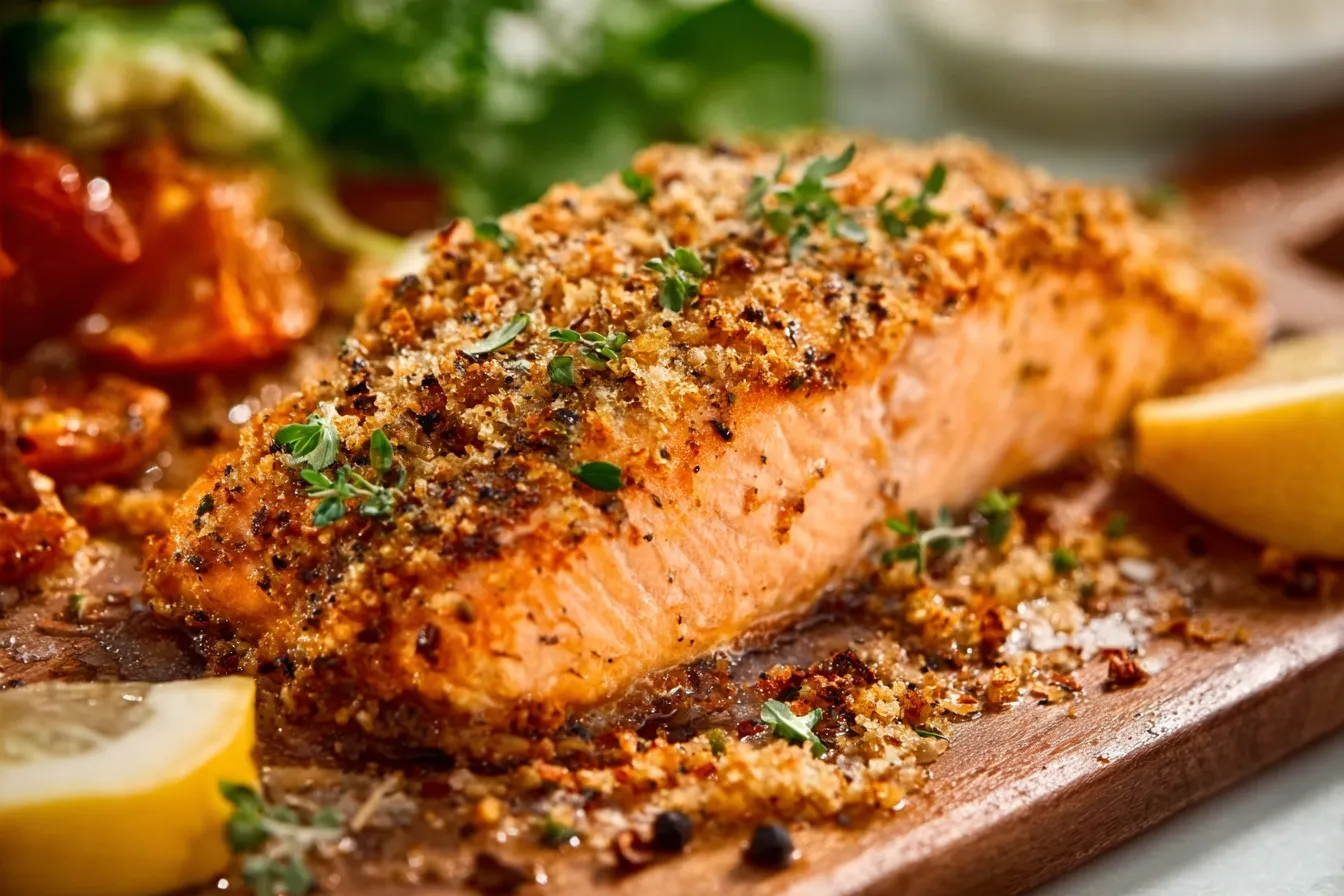
- Preheat your oven to 400°F (200°C). Line a baking sheet with parchment paper for easy cleanup. Trust me, you’ll thank me later!
Preparing the Dijon Glaze:
- In a small bowl, whisk together the Dijon mustard, olive oil, lemon juice, garlic powder, dill, salt, and pepper. This is where the magic happens – don’t be afraid to taste it and adjust the seasonings to your liking! A little more lemon for extra zing, or a touch more dill if you’re a dill lover.
Coating the Salmon:
- Place the salmon fillets on the prepared baking sheet.
- Evenly spread the Dijon mixture over the top of each fillet. Make sure every nook and cranny is covered for maximum flavor.
Baking the Salmon:
- Bake for 12-15 minutes, or until the salmon is cooked through and flakes easily with a fork. The exact baking time will depend on the thickness of your fillets, so keep a close eye on them.
Finishing Touches:
- Remove the salmon from the oven and let it rest for a couple of minutes before serving.
- Garnish with fresh parsley and lemon wedges, if desired. These simple additions really elevate the presentation and add a pop of freshness.
Troubleshooting & Expert Tips
Dealing with Dry Salmon:
Nobody wants dry salmon! The biggest culprit is overcooking. Use a meat thermometer to ensure the internal temperature reaches 145°F (63°C). Also, using salmon with the skin on helps retain moisture during baking.
Avoiding a Sticky Mess:
Parchment paper is your best friend! It prevents the salmon from sticking to the baking sheet and makes cleanup a breeze. If you don’t have parchment paper, you can lightly grease the baking sheet with olive oil.
Adding Extra Flavor:
Want to kick things up a notch? Try adding a pinch of red pepper flakes to the Dijon mixture for a little heat. Or, sprinkle some breadcrumbs over the salmon before baking for a crispy topping.
Salmon Skin – To Eat or Not to Eat?
That is the question! The skin is perfectly edible and nutritious, especially if it’s crispy. Pat the skin dry with a paper towel before baking to help it crisp up. If you’re not a fan, you can easily remove it after baking.
Variations to Make it Your Own
Honey Dijon Salmon:
Add a tablespoon of honey to the Dijon mixture for a touch of sweetness. This is a great option if you prefer a sweeter flavor profile.
Maple Dijon Salmon:
Similar to honey Dijon, substitute maple syrup for an earthier sweetness. Vermont, here we come!
Garlic Herb Dijon Salmon:
Add a mix of your favorite herbs, such as rosemary, thyme, and oregano, to the Dijon mixture for a more complex flavor. Fresh herbs are best, but dried herbs work well too.
Spicy Dijon Salmon:
As mentioned earlier, red pepper flakes are a great way to add heat. You can also use a dash of hot sauce or a pinch of cayenne pepper.
Serving Suggestions
Classic Combinations:
Baked Dijon Salmon pairs perfectly with roasted vegetables like asparagus, broccoli, or Brussels sprouts. A simple side salad is also a great option.
Elevated Sides:
For a more elegant meal, serve the salmon with quinoa or wild rice. A creamy mashed potato or polenta would also be delicious.
Unexpected Pairings:
Don’t be afraid to get creative! Try serving the salmon with a fruit salsa, such as mango or pineapple salsa. The sweetness of the fruit complements the savory Dijon flavor beautifully.
Make-Ahead & Storage Tips
Preparing in Advance:
You can prepare the Dijon mixture ahead of time and store it in the refrigerator for up to 3 days. You can also coat the salmon fillets with the mixture and store them in the refrigerator for up to 24 hours. Just be sure to cover them tightly.
Storing Leftovers:
Store any leftover Baked Dijon Salmon in an airtight container in the refrigerator for up to 3 days. Reheat gently in the oven or microwave.
Freezing Tips:
While you *can* freeze cooked salmon, it’s not ideal as it can affect the texture. If you must freeze it, wrap it tightly in plastic wrap and then in aluminum foil. Thaw overnight in the refrigerator before reheating.
The Nutritional Perks of Salmon
Omega-3 Fatty Acids:
Salmon is an excellent source of omega-3 fatty acids, which are essential for brain health, heart health, and reducing inflammation.
Protein Powerhouse:
Salmon is packed with protein, which is important for building and repairing tissues.
Vitamins and Minerals:
Salmon is also a good source of vitamins and minerals, including vitamin D, vitamin B12, potassium, and selenium.
Why This Recipe is a Winner
This Baked Dijon Salmon recipe is a winner because it’s:
- Easy: It requires minimal ingredients and steps.
- Quick: It’s ready in under 30 minutes.
- Delicious: The Dijon glaze adds a tangy, savory flavor that everyone will love.
- Versatile: You can easily customize it to your liking with different variations and serving suggestions.
- Healthy: Salmon is a nutritious and delicious source of protein and omega-3 fatty acids.
My Final Thoughts
So, there you have it – my foolproof recipe for Baked Dijon Salmon! I hope you give it a try and discover just how easy and delicious it is to make. Don’t be afraid to experiment with different variations and serving suggestions to create your own signature dish. Happy cooking, my friend, and I’m always here if you have any questions!
How long should I bake the Dijon Salmon?
Bake the salmon for 12-15 minutes at 400°F (200°C), or until it’s cooked through and flakes easily with a fork. The exact baking time depends on the thickness of the fillets.
What can I do to prevent the salmon from drying out while baking?
To prevent dry salmon, avoid overcooking it. Use a meat thermometer to ensure the internal temperature reaches 145°F (63°C). Also, baking the salmon with the skin on helps retain moisture.
Can I prepare the Dijon Salmon ahead of time?
Yes, you can prepare the Dijon mixture up to 3 days in advance and store it in the refrigerator. You can also coat the salmon fillets with the mixture and store them in the refrigerator for up to 24 hours, covered tightly.
What are some variations I can try with this Dijon Salmon recipe?
You can try adding honey or maple syrup for a sweeter flavor, incorporating your favorite herbs (like rosemary, thyme, or oregano) for a more complex flavor, or adding red pepper flakes for a spicy kick.
Easy Baked Dijon Salmon

Equipment
- Baking Sheet
- Parchment paper
- Small bowl
- Whisk
- Fork
- Measuring spoons
- Measuring cups
Ingredients
- 2 tablespoons Dijon mustard
- 1 tablespoon olive oil
- 1 tablespoon lemon juice
- 1 teaspoon garlic powder
- ½ teaspoon dried dill
- ¼ teaspoon salt
- ¼ teaspoon black pepper
- Fresh parsley, chopped for garnish
- Lemon wedges for garnish
Instructions
- Preheat oven to 400°F (200°C). Line a baking sheet with parchment paper.
- In a small bowl, whisk together the Dijon mustard, olive oil, lemon juice, garlic powder, dill, salt, and pepper.
- Place the salmon fillets on the prepared baking sheet.
- Evenly spread the Dijon mixture over the top of each fillet.
- Bake for 12-15 minutes, or until the salmon is cooked through and flakes easily with a fork.
- Remove the salmon from the oven and let it rest for a couple of minutes before serving.
- Garnish with fresh parsley and lemon wedges, if desired.