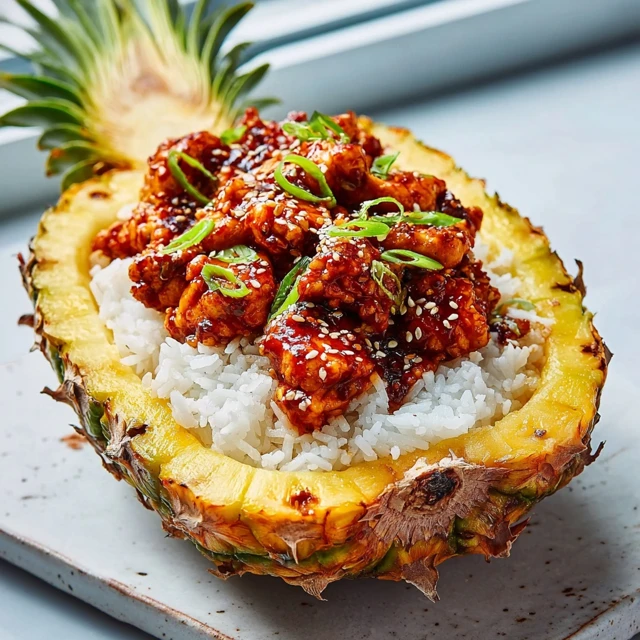
There’s a certain kind of comfort found only at the bottom of a bowl, especially when it’s layered with sticky rice, charred pineapple, and glistening teriyaki chicken. It’s more than just a meal; it’s a mini-vacation, a vibrant escape from the everyday that you can whip up in your own kitchen. This isn’t just another weeknight dinner—it’s a celebration of sweet, savory, and tangy flavors that dance together in perfect harmony.
We’re talking about tender, juicy chicken thighs bathed in a homemade teriyaki sauce that’s miles better than anything from a bottle. Paired with sweet, caramelized pineapple chunks that burst with sunshine and a sprinkle of fresh green onions, every single spoonful is an absolute flavor explosion. Get ready to create a bowl so delicious, you’ll feel the warm island breeze with every bite.
The Teriyaki Pineapple Chicken Bowls Difference
- Homemade Sauce Perfection: We skip the bottled stuff, which is often too sweet and full of preservatives. Our from-scratch teriyaki sauce uses simple ingredients to create a deep, savory, and perfectly balanced glaze that clings to every piece of chicken.
- The Double Pineapple Technique: We use both the juice in the marinade and fresh chunks in the final bowl. The juice tenderizes the chicken and infuses it with sweetness, while searing the fresh pineapple caramelizes its sugars, adding a smoky, irresistible flavor dimension.
- Texture is Everything: By searing the chicken first to get a beautiful crust and then simmering it in the sauce, we ensure it’s incredibly tender on the inside with a satisfyingly glazed exterior. It’s a simple step that makes a world of difference.
The Building Blocks
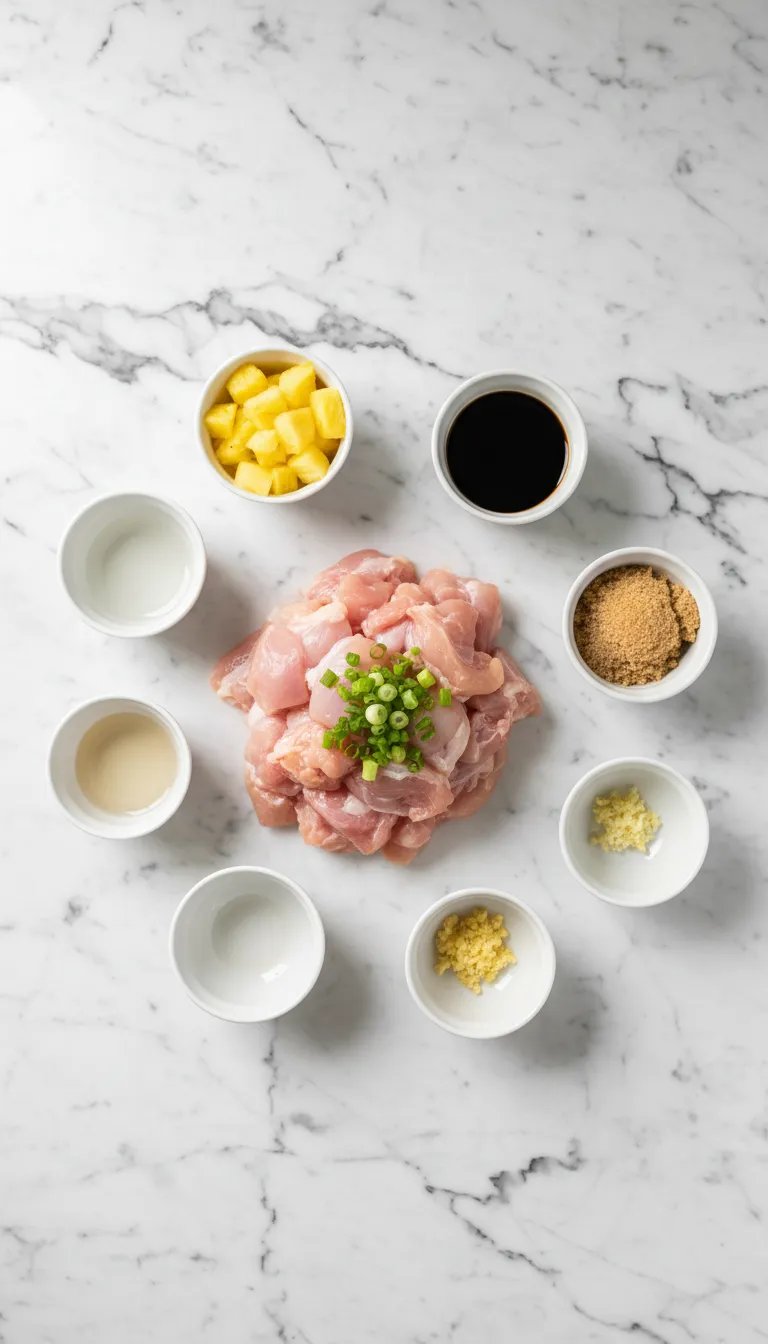
The magic of this dish comes from using quality, fresh ingredients that work together to create layers of flavor. Don’t be tempted by shortcuts on the sauce; making it from scratch is quick and the payoff is immense.
- Boneless, Skinless Chicken Thighs: (The key to juicy chicken) Thighs are more forgiving than breasts and stay incredibly moist and tender, even when seared at high heat.
- Fresh Pineapple: (For that authentic tropical sweetness) Canned pineapple works in a pinch, but fresh pineapple has a brighter, more acidic flavor that cuts through the richness of the sauce beautifully.
- Low-Sodium Soy Sauce: (The savory backbone) Using low-sodium gives you control over the saltiness, allowing the other flavors to shine.
- Mirin: (For a touch of authentic sweetness and gloss) This Japanese sweet rice wine adds a subtle sweetness and gives the sauce its signature glossy finish.
- Rice Vinegar: (The tangy counterpoint) A splash of acidity is crucial to balance the sweet and salty elements.
- Fresh Ginger & Garlic: (The aromatic foundation) These are non-negotiable for a vibrant, fragrant sauce. Always use fresh for the best flavor.
- Brown Sugar: (For deep, molasses-like sweetness) It helps create that sticky, caramelized glaze we all crave.
- Cornstarch: (The secret to a thick, clingy sauce) A simple cornstarch slurry thickens the sauce to the perfect consistency in minutes.
- Sesame Oil: (For a nutty, finishing aroma) A little goes a long way! We add it at the end to preserve its delicate, toasty flavor.
- For Serving: Cooked rice (jasmine or short-grain), sliced green onions, and sesame seeds.
Swaps & Alternatives
- Chicken Breast: If you prefer, you can use chicken breast. Just be careful not to overcook it. Cut it into uniform 1-inch pieces to ensure it cooks quickly and evenly.
- Tamari or Coconut Aminos: For a gluten-free version, swap the soy sauce for tamari. For a soy-free option, coconut aminos work wonderfully, though you may need to adjust the sugar as they are naturally sweeter.
- Maple Syrup or Honey: You can substitute the brown sugar with maple syrup or honey for a different kind of sweetness.
- Other Veggies: Feel free to add other vegetables like steamed broccoli, edamame, or sautéed red bell peppers to make the bowls even more substantial.
- Protein Swap: This sauce and pineapple combination is also fantastic with pork tenderloin, shrimp, or even firm tofu for a vegetarian option.
Gourmet Variations
Ready to take this bowl to the next level? These simple twists add a layer of complexity that will make your taste buds sing.
First, try adding a bit of heat. A teaspoon of sriracha or a pinch of red pepper flakes whisked into the sauce will add a gentle warmth that beautifully contrasts the sweet pineapple.
For a deeper, funkier flavor, add a tablespoon of gochujang (Korean chili paste) to the teriyaki sauce. It provides a savory, slightly spicy, and fermented note that is absolutely addictive. It transforms the dish into something reminiscent of a fantastic Street Corn Chicken Rice Bowl, but with a Korean-Hawaiian twist.
Finally, consider a different cooking method for the chicken. If you love the ease of a one-pan meal, you might enjoy the technique used in our Hawaiian Chicken Sheet Pan dinner. You can adapt that method here for a more hands-off approach.
How to Make Teriyaki Pineapple Chicken Bowls
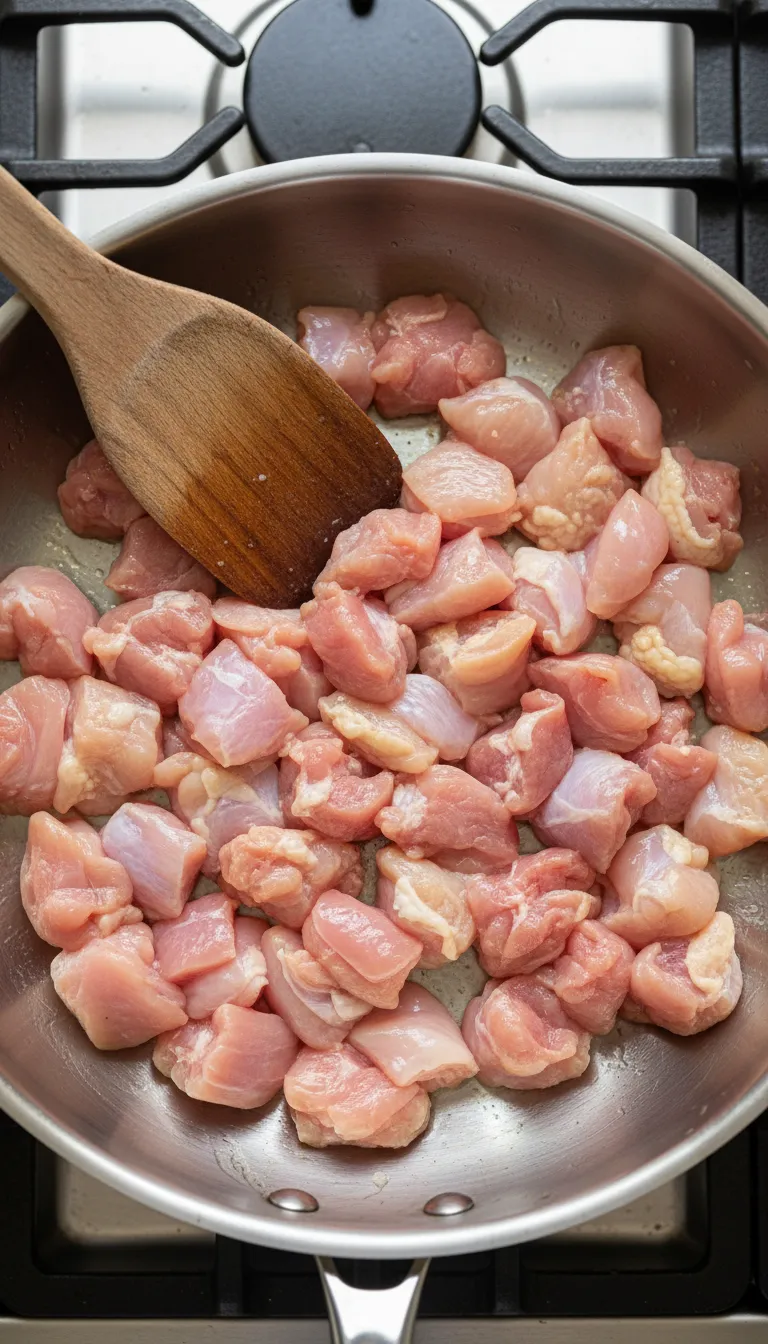
This process is straightforward and incredibly rewarding. We’ll build the flavors step-by-step, starting with a quick marinade and finishing with a glorious, glossy sauce. The whole thing comes together in about 30 minutes.
1. Marinate the Chicken
First things first, let’s get that chicken soaking up some flavor. Cut your boneless, skinless chicken thighs into bite-sized, 1-inch pieces. In a medium bowl, combine the chicken pieces with a splash of soy sauce, a bit of minced garlic, and about two tablespoons of the juice from your fresh pineapple.
Toss everything together until the chicken is evenly coated. Let it marinate for at least 15 minutes on the counter while you prep the other ingredients. If you have more time, you can cover it and let it marinate in the fridge for up to 4 hours for an even deeper flavor.
2. Whisk Together the Teriyaki Sauce
While the chicken is marinating, it’s time to make our liquid gold. In a small bowl or liquid measuring cup, whisk together the low-sodium soy sauce, mirin, rice vinegar, brown sugar, minced ginger, and the remaining minced garlic.
This simple combination is the heart of the dish. It’s a classic sauce that’s far superior to bottled versions and is just as easy to make as our fan-favorite Sesame Chicken sauce. Set it aside for now.
3. Sear the Chicken and Pineapple
Heat a large skillet or wok over medium-high heat with a drizzle of a neutral oil like canola or avocado oil. Once the pan is shimmering hot, add the marinated chicken in a single layer, being careful not to crowd the pan. You may need to do this in two batches.
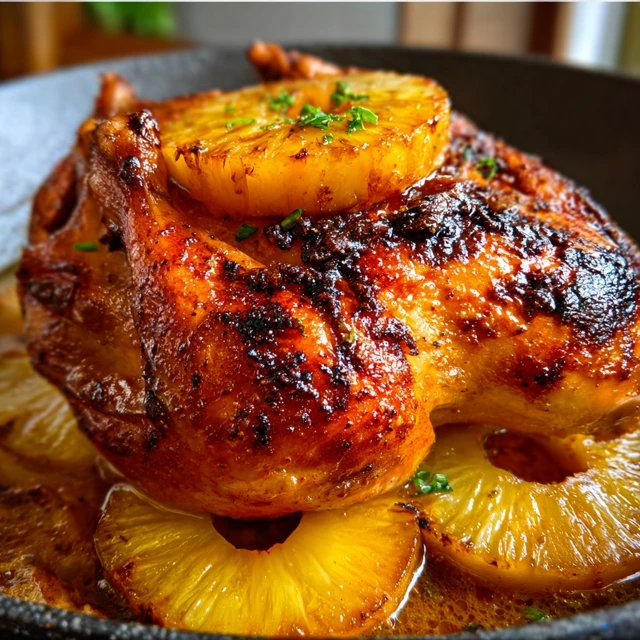
Let the chicken cook undisturbed for 3-4 minutes, until a deep golden-brown crust forms. Flip the pieces and cook for another 2-3 minutes. Remove the chicken from the skillet and set it aside. Add the pineapple chunks to the same hot skillet and sear for 1-2 minutes per side, until you get beautiful caramelized char marks. Remove the pineapple and set it aside with the chicken.
4. Simmer and Thicken the Sauce
Pour the prepared teriyaki sauce mixture into the hot skillet. Bring it to a simmer, scraping up any browned bits from the bottom of the pan—that’s pure flavor!
In a small separate bowl, whisk the cornstarch with two tablespoons of cold water to create a slurry. While the sauce is simmering, slowly pour in the cornstarch slurry, whisking constantly. The sauce will begin to thicken and turn glossy almost immediately. Let it bubble for about 30 seconds.
5. Combine and Glaze
Return the seared chicken and pineapple to the skillet with the thickened sauce. Stir everything together gently, ensuring every single piece is coated in that beautiful, sticky glaze. Let it simmer for another minute or two until the chicken is heated through.
This final step is where the magic happens. The flavors meld together, and the sauce clings perfectly to the chicken and pineapple. It’s a similar concept to what makes our Pineapple Teriyaki Chicken Wings so irresistible. Turn off the heat and stir in the toasted sesame oil.
6. Assemble Your Bowls
Now for the best part! To assemble your bowls, start with a generous scoop of fluffy steamed rice. Top it with a hearty portion of the teriyaki pineapple chicken.
Garnish generously with thinly sliced green onions for a fresh, sharp bite and a sprinkle of toasted sesame seeds for a nutty crunch. Serve immediately and get ready for a wave of compliments. For those who love this flavor profile but need a set-and-forget option, our Crockpot Teriyaki Chicken is another fantastic recipe to try.
Avoid These Pitfalls
- Crowding the Pan: Tossing all the chicken into the skillet at once will cause it to steam instead of sear. You’ll miss out on the delicious golden-brown crust. Cook in batches if necessary for the best texture.
- Adding Cornstarch to Hot Liquid: Never add cornstarch directly to the hot sauce. It will clump up instantly. Always make a slurry by dissolving it in a small amount of cold water first.
- Overcooking the Pineapple: You want to quickly char the pineapple to caramelize its sugars, not cook it until it’s mushy. A minute or two per side over high heat is all it needs.
Toppings & Sides
A great bowl is all about the toppings and sides that complement the main event. While these bowls are a complete meal on their own, a few additions can make them even more special.
For extra freshness and crunch, consider adding shredded carrots, thinly sliced cucumber, or a handful of edamame. A creamy element like sliced avocado or a drizzle of spicy mayo can provide a wonderful contrast to the sweet and savory chicken.
As for sides, you can’t go wrong with simple steamed vegetables like broccoli or bok choy. If you want to lean into the tropical theme, a simple side salad with a ginger-lime vinaigrette would be perfect. This dish is as versatile as our Pineapple Chicken And Rice, so feel free to get creative with your pairings.
If you tried this recipe and loved it, please leave a 5-star rating below. It helps us so much
Why is it better to make the teriyaki sauce from scratch instead of using a bottled version?
The article recommends making the sauce from scratch because bottled versions are often too sweet and full of preservatives. The homemade sauce uses simple ingredients like low-sodium soy sauce, mirin, and fresh ginger to create a deeper, more balanced savory glaze that you can control.
Can I use chicken breast instead of chicken thighs for this recipe?
Yes, you can use chicken breast as a substitute for thighs. However, the article advises being careful not to overcook it. For best results, cut the chicken breast into uniform 1-inch pieces to ensure it cooks quickly and evenly.
What are the most common mistakes to avoid when making these chicken bowls?
The three main pitfalls to avoid are: 1) Crowding the pan when cooking the chicken, which causes it to steam instead of sear. 2) Adding cornstarch directly to the hot sauce, which creates lumps (always make a slurry with cold water first). 3) Overcooking the pineapple, which should only be seared quickly to caramelize it, not cooked until mushy.
Are there any gluten-free or soy-free options for this recipe?
Yes, the recipe is easily adaptable. For a gluten-free version, you can swap the soy sauce for tamari. For a soy-free option, coconut aminos are a great alternative, though you may need to adjust the amount of sugar as they are naturally sweeter.
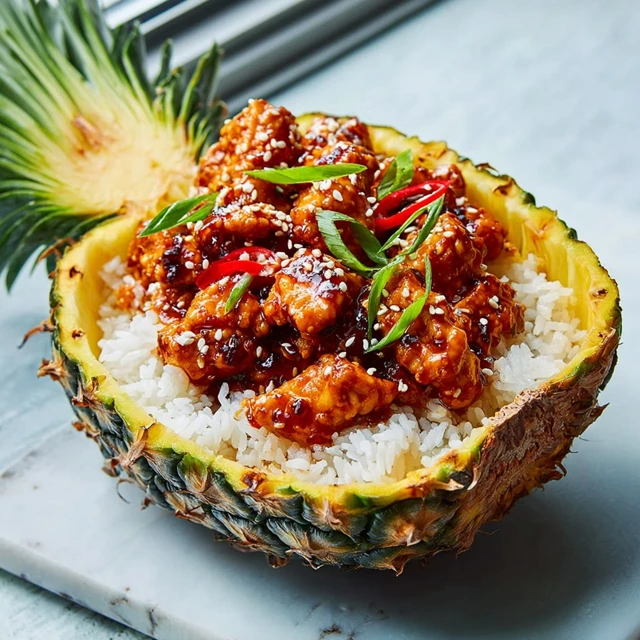
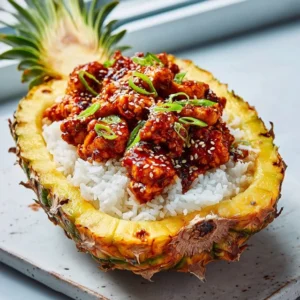
Aloha Teriyaki Pineapple Chicken Bowls

Equipment
- Large Skillet or Wok
- Medium bowl (for marinating)
- Small Bowl (for sauce)
- Small bowl (for cornstarch slurry)
- Whisk
- Cutting board
- Chef’s knife
- Measuring cups and spoons
- Rice cooker or pot
Ingredients
- 1.5 lbs boneless, skinless chicken thighs, cut into 1-inch pieces
- 2 cups fresh pineapple, cut into 1-inch chunks reserve 2 tbsp of juice for marinade
- 1 tbsp neutral oil like avocado or canola
- 4 cups cooked jasmine or short-grain rice, for serving
- ¼ cup sliced green onions, for garnish
- 1 tbsp toasted sesame seeds, for garnish
- For the Marinade:
- 1 tbsp low-sodium soy sauce
- 1 clove garlic, minced
- 2 tbsp fresh pineapple juice
- For the Teriyaki Sauce:
- ½ cup low-sodium soy sauce
- ¼ cup mirin
- ¼ cup packed brown sugar
- 2 tbsp rice vinegar
- 1 tbsp fresh ginger, minced
- 2 cloves garlic, minced
- 1 tbsp cornstarch
- 2 tbsp cold water
- 1 tsp toasted sesame oil
Instructions
- In a medium bowl, combine the chicken pieces with 1 tbsp soy sauce, 1 minced garlic clove, and 2 tbsp of fresh pineapple juice. Toss to coat and let marinate for at least 15 minutes while you prepare other ingredients.
- In a small bowl, whisk together the 1/2 cup soy sauce, mirin, brown sugar, rice vinegar, minced ginger, and the remaining 2 minced garlic cloves to create the teriyaki sauce. Set aside.
- Heat the neutral oil in a large skillet or wok over medium-high heat. Once shimmering, add the marinated chicken in a single layer, working in batches if necessary to avoid crowding the pan. Cook for 3-4 minutes per side, until a golden-brown crust forms. Remove the chicken from the skillet and set aside.
- Add the pineapple chunks to the same hot skillet. Sear for 1-2 minutes per side until nicely charred and caramelized. Remove from the skillet and set aside with the chicken.
- Pour the prepared teriyaki sauce mixture into the hot skillet. Bring to a simmer, scraping up any flavorful browned bits from the bottom of the pan.
- In a separate small bowl, whisk the cornstarch with 2 tbsp of cold water to create a smooth slurry. While the sauce is simmering, slowly pour in the slurry, whisking constantly. Continue to simmer and whisk for about 30 seconds until the sauce thickens and becomes glossy.
- Return the seared chicken and pineapple to the skillet with the thickened sauce. Stir gently to coat everything evenly. Let it simmer for another 1-2 minutes until the chicken is heated through.
- Turn off the heat and stir in the toasted sesame oil.
- To assemble, divide the cooked rice among four bowls. Top with a generous portion of the teriyaki pineapple chicken. Garnish with sliced green onions and toasted sesame seeds before serving immediately.
Notes
– For a gluten-free version, substitute soy sauce with tamari. For a soy-free option, use coconut aminos.
– Add a spicy kick by whisking 1 tsp of sriracha or a pinch of red pepper flakes into the sauce.
– This recipe also works wonderfully with chicken breast, shrimp, pork tenderloin, or firm tofu.
– To avoid steaming the chicken, do not crowd the pan; cook in batches if your skillet is not large enough.
– Always dissolve cornstarch in cold water before adding it to hot liquids to prevent clumping.
– Feel free to add more vegetables like steamed broccoli, edamame, or sautéed bell peppers to the bowls.